
You turn on your PC and wait. And wait. The same laptop that once opened apps in a snap now feels tired. This is not bad luck. It just happens over time. Files pile up. The registry gets messy. Old drivers stay installed long after they are useful. Junk data quietly eats up space on […]
How To Install Pending Windows Updates Easily On Windows 11
Windows updates keep your computer healthy. They fix problems and improve security. Many people ignore updates because they worry about errors or slow performance. In most cases, the process is simple. You only need to follow a clear routine and give your computer enough time to finish the job.
A regular update habit saves you from bigger troubles later. Your system becomes stable and safe. It also runs better because Microsoft often adds small improvements in each update. This guide shows how to install pending Windows updates easily on a Windows 11 PC. It uses simple steps that are easy to follow, even if you are not very technical.
Precautions Before You Begin: Install Pending Windows Updates
Basic things to keep in mind
Before you start the update process, it helps to take some precautions. These small steps protect your files and reduce the chance of problems. They also give you more control. When you prepare well, you can install pending Windows updates easily on a Windows PC and avoid interruptions.
Create a backup
Save important files to an external drive or cloud storage. This prevents data loss if your system faces a rare update error.
Check your power supply
Keep your laptop plugged in. Desktop users should make sure their power is stable so the update process does not stop midway.
Close open programs
Shut down any apps you are not using. This frees system resources and avoids software conflicts.
Check free storage
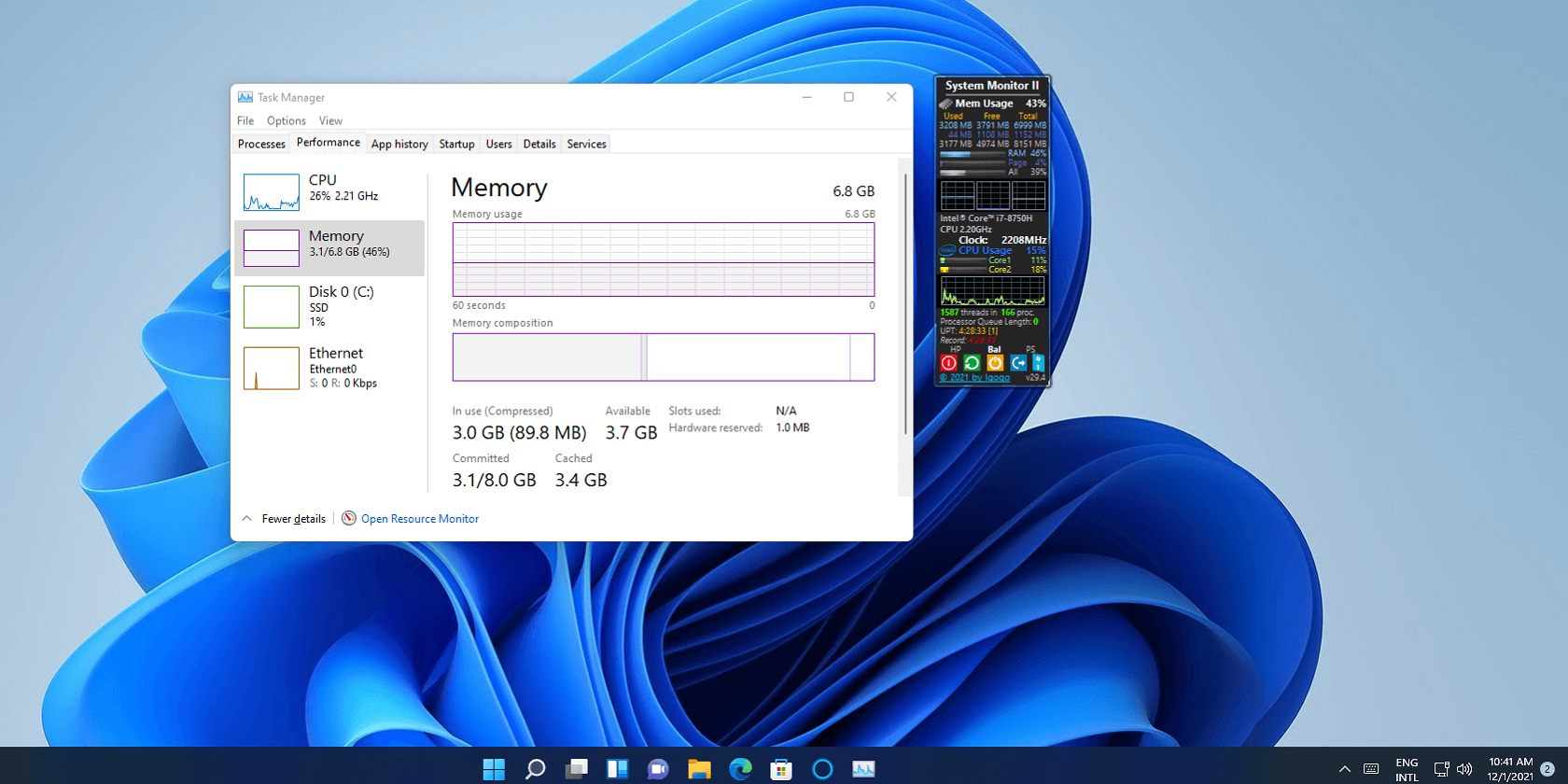
Windows needs enough space to download and unpack updates. Remove unwanted files or move them to an external drive if needed.
Disconnect external hardware
Remove USB drives, printers, and other devices that are not required. This helps avoid driver conflicts during the update.
Pause active downloads
Stop large downloads in browsers or game launchers. This keeps your internet free for the update files.
Check your internet connection
Make sure your connection is steady. A slow or unstable line may interrupt the download.
Note your login details
You may need to sign back in after a restart. Keep your password handy to avoid delays.
Prepare Your PC for the Steps: Install Pending Windows Updates
Make your device ready for the update process
A small amount of preparation improves the success rate of updates. This part guides you through the basic checks that help you install pending Windows updates easily on a Windows PC. When your system is prepared, the steps ahead feel smooth and predictable.
Restart once before updating
A quick restart clears temporary files and resets some system processes. This gives Windows a fresh start before it begins the update.
Check your date and time settings
The wrong date or time can prevent update servers from working correctly. Set both to automatic mode to avoid mismatches.
Scan for malware
A simple scan catches threats that might block updates. Use your built-in Windows Security tool for this.
Disable third-party antivirus temporarily
Some antivirus tools block update files by mistake. Turn them off for a short time and turn them back on after the update.
Note any error messages from past attempts
If you saw update errors earlier, note them down. These messages help you understand what went wrong.
Keep your Microsoft Store updated
Some system parts depend on Store components. Update them first to avoid conflicts.
Check hardware health
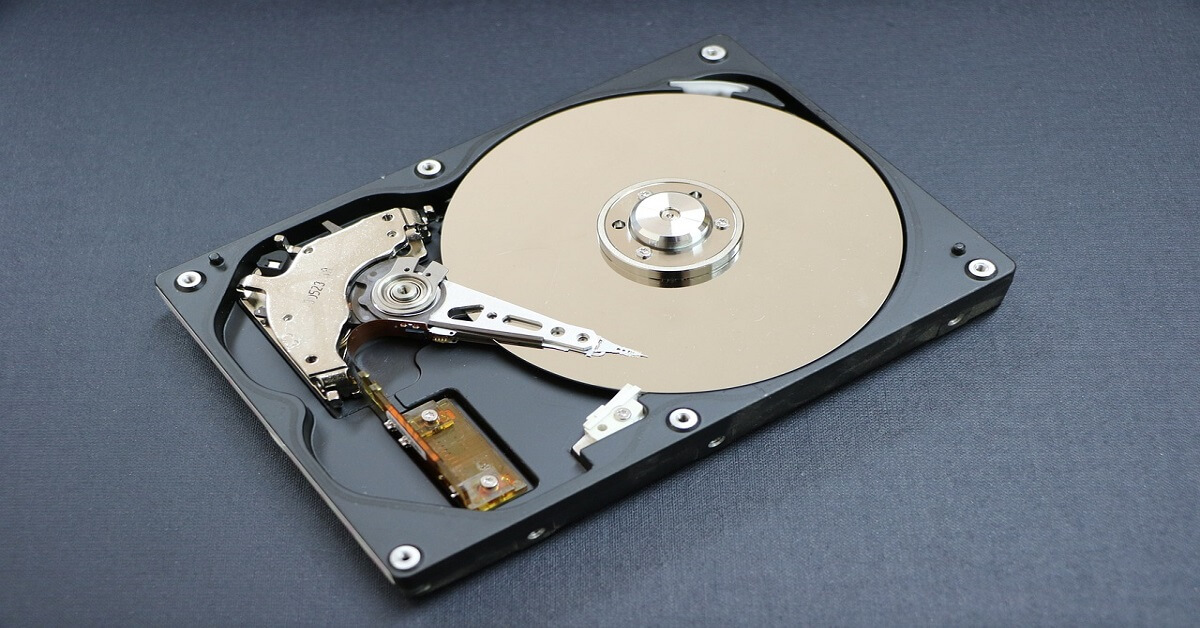
Look for signs of overheating or slow startup. Weak hardware can delay updates.
Keep system drivers updated
Outdated drivers may block updates. Update key drivers such as graphics, audio, or network drivers before starting.
How to Install Pending Windows Updates Easily: Step-by-Step Guide.
Below is the core set of steps you need to follow. These steps work for most devices. They help you install pending Windows updates easily on a Windows PC without confusion.
Step 1. Open Windows Update Settings
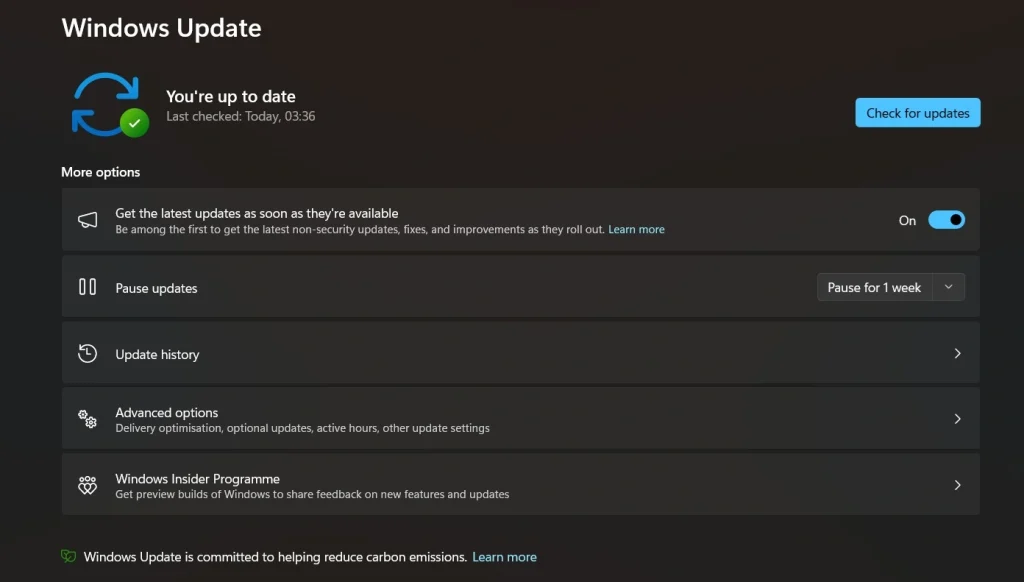
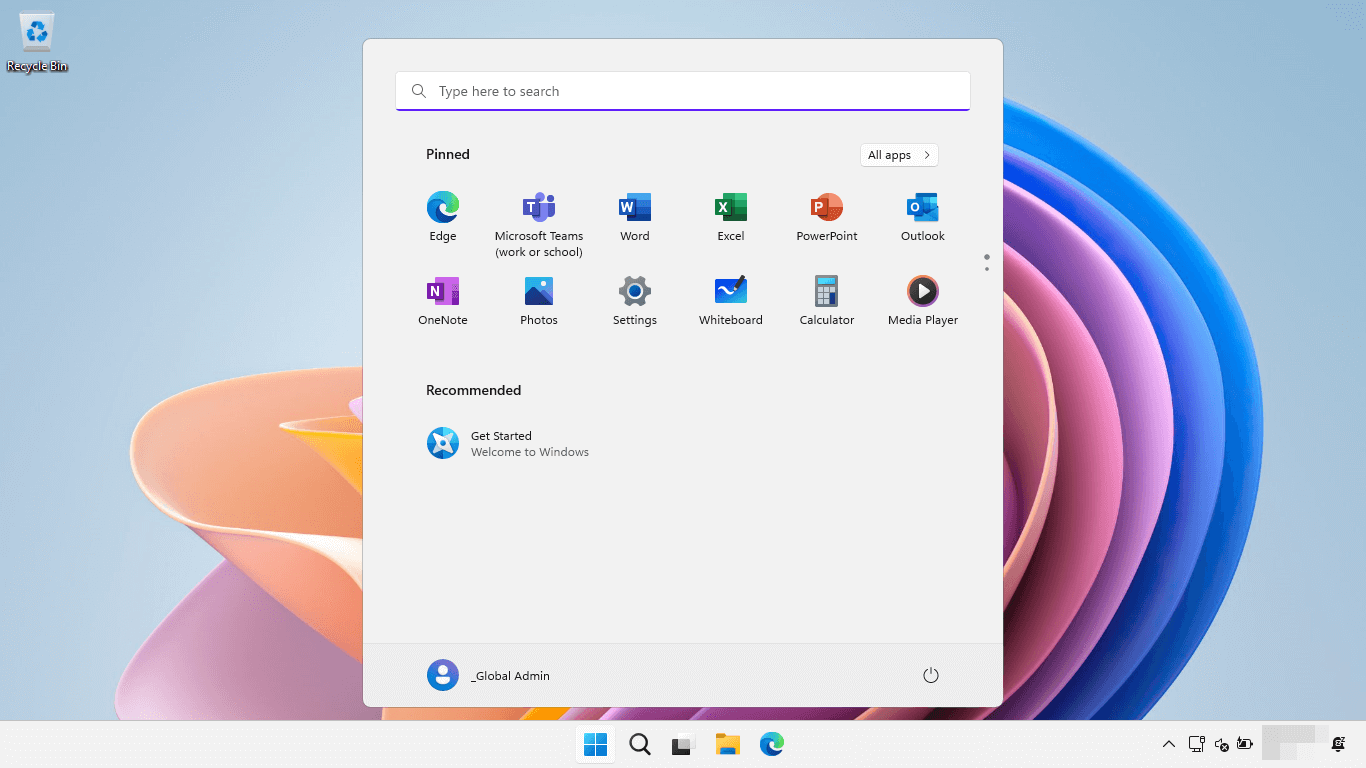
Open Start. Select Settings. Choose Windows Update. This screen shows all updates your computer needs. Look for pending updates near the top.
Step 2. Click the Check for Updates Button
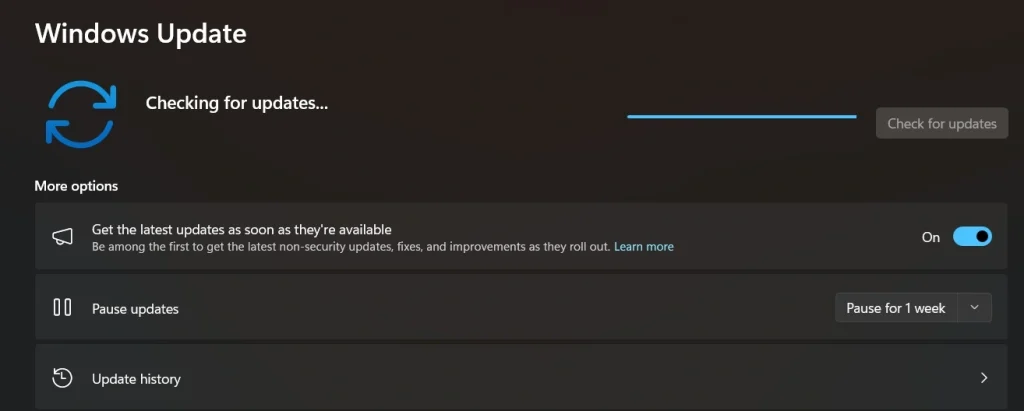
Press Check for updates. Windows starts looking for new files. It also verifies your system details and matches the right update package for you.
Step 3. Download and Install All Pending Updates
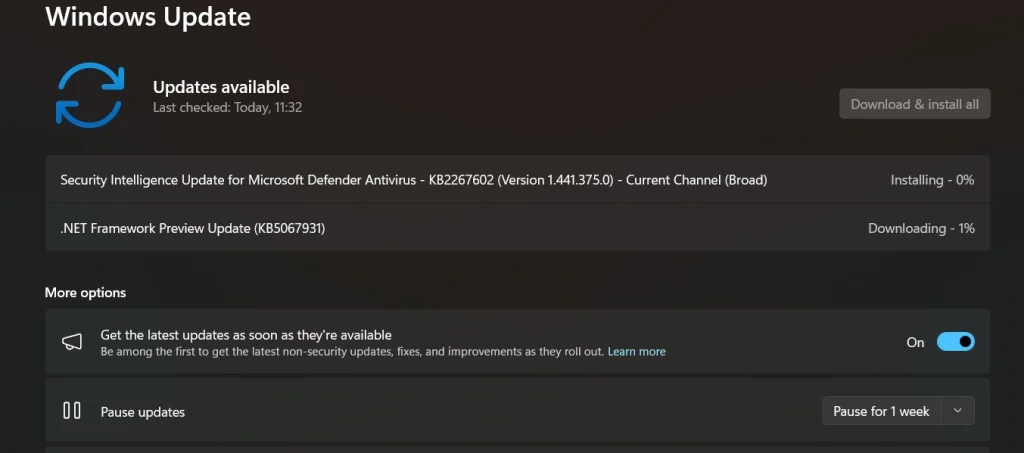
If updates appear, click Download and install. Some updates start on their own. Do not use heavy apps during this stage because Windows needs enough space and memory to work smoothly.
Step 4. Restart Your Computer
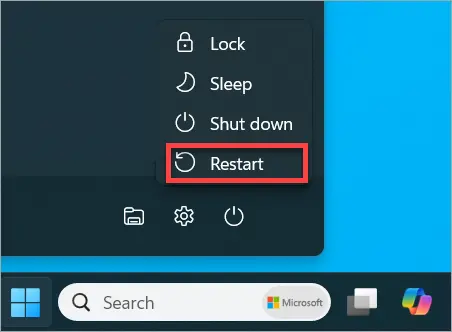
Once the download is done, Windows may ask for a restart. Click Restart now. Your system will show a blue screen with progress messages. Do not turn off your device. Wait until the process finishes. After the restart, check again to confirm if more updates are available. This completes the cycle that helps you install pending Windows updates easily.
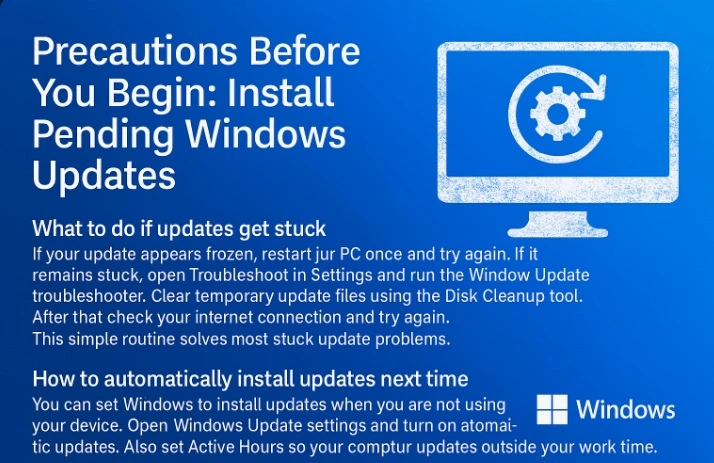
What to Do If Windows Updates Get Stuck
If your update seems frozen:
- Restart your PC once and try again.
- If it’s still stuck, go to Settings > Troubleshoot and run the Windows Update troubleshooter.
- Use the Disk Cleanup tool to clear temporary update files.
- Check your internet connection and retry the update.
This quick routine resolves most stuck update issues without needing advanced fixes.
How to Automatically Install Updates Next Time
To make future updates seamless:
- Open Windows Update settings and enable automatic updates.
- Set your Active Hours so updates happen when you’re not working.
- Windows will then download and install updates in the background, and restart your device during your selected time window.
Pro Tips for Smooth Updating
Ideas that make future updates easier
With the habits below, your updates will be quick and trouble-free. These tips help you install pending Windows updates easily on a Windows PC in future without long delays.
- Update drivers often
Regular driver updates prevent hardware conflicts. This keeps your system ready for new Windows patches. - Use Storage Sense
Turn on Storage Sense to clear temporary files. This helps avoid storage issues during updates. - Keep your device cool
Overheating slows the update process. Make sure your device has enough airflow. - Do not ignore small updates
Even minor patches improve system health. Installing them early makes major updates smoother. - Check the Windows Update history
This page shows what succeeded and what failed. Knowing this helps you plan your next steps. - Maintain a steady internet plan
A stable connection shortens download time. Use a reliable network for important updates. - Remove old programs
Outdated apps sometimes cause conflicts. Removing unused software reduces update risks. - Restart your system once every few days
A simple restart clears system memory and prepares your device for future updates.
Conclusion
Windows updates protect your computer and keep it stable. When you follow the precautions, prepare your system, and follow the right steps, the process feels simple and controlled. You reduce errors and save time. Each update adds a layer of improvement that helps Windows run better.
If you build a small routine around updates, your system stays healthy. You avoid unexpected crashes and slowdowns. The more you follow this guide, the easier it becomes to install pending Windows updates easily on Windows 11. A little patience and regular care keep your computer in its best shape.
FAQs:
Why do Windows updates take so long
Some updates are large. Others need several restarts. Your internet speed and hardware also affect the duration. If you keep your system clean and avoid heavy tasks during updates, the process becomes faster.
Do I need to install optional updates
Optional updates are not required, but they help improve performance. They include driver updates and small feature enhancements. Installing them early often prevents bigger problems later.
Can I stop updates midway
You should not stop updates once they start. Interrupting the process can corrupt system files. If you began by mistake, wait for the cycle to finish and manage future updates through the settings page.
Author Bio:
Dinesh Lakhwani 

Dinesh Lakhwani, the entrepreneurial brain behind “TechCommuters,” achieved big things in the tech world. He started the company to make smart and user-friendly tech solutions. Thanks to his sharp thinking, focus on quality and the motto of never giving up, TechCommuters became a top player in the industry. His commitment to excellence has propelled the company to a leading position in the industry.
Popular Post
Recent Post
Avast Cleanup PC Cleaner and Optimizer: Everything You Need to Know
A slow computer makes it hard to focus. Programs take too long to open. Free space keeps shrinking until the disk is almost full. This happens to most PC owners at some point. Even new machines can slow down after a while. That is the exact problem cleanup tools are built to solve. They comb […]

Fortect Software Review: The Ultimate PC & Mobile Cleaning, Optimization & Security Tool
Slow computers are a common problem for almost every Windows user. Well, yes! Over time, your PC picks up junk files. These files sit quietly in the background. They take up space and slow things down. Programs open slower. Windows takes longer to boot. Even simple tasks like opening a folder can feel sluggish. There […]

CCleaner PC Optimizer Review: A Complete Guide for Windows Users
If your computer has started to feel slow, you are not alone. Most Windows PCs slow down over time. Junk files pile up. The registry gets messy. Too many apps open when you start your PC. All this adds up and makes even a good machine feel tired. This is where a PC cleaner tool […]
5 Best PC Cleaners for Windows 11 & 10 | Top PC Optimizers
Remember when your PC felt fast? Every click was quick. Every app opened in seconds. Now it feels like a different machine. Windows takes forever to boot. Programs freeze for no reason. Even opening a browser feels like a chore. You are not alone in this. Almost every PC slows down over time. Files pile […]

Auslogics Duplicate File Finder: Full Review and User Guide
A computer quietly gathers clutter over time. This includes duplicate photos, repeated downloads, and forgotten backups hiding in random folders. This buildup slowly eats away at storage and can make even a fast PC feel sluggish. Manually finding and deleting duplicates is tedious. It means checking every folder, comparing file names, and guessing which copies […]

CCleaner Duplicate File Finder: Key Features, Pricing, Step-by-Step Guide and More
Every computer collects junk over time. Right? Well, yes! Photos often get copied twice. Documents get saved in two folders by mistake. Old downloads pile up and never get deleted. This slowly eats up your storage space, and most people do not even notice until their drive is almost full. That is where a duplicate […]
Duplicate File Finder Pro: A Complete Review, Everything You Should Know
Computers collect thousands of files over time. Well, yes! Many of them end up being duplicates created by backups, downloads, or accidental copies. These extra files take up valuable storage space and make it harder to keep everything organized. Finding and removing them manually can take hours. Right? Duplicate File Finder Pro is a tool […]
Top 3 Duplicate File Finder for Windows 11 & Windows 10
If your PC storage keeps filling up even after you delete big files, duplicate files could be the real reason. Most of us save the same photo twice, download a document more than once, or copy a whole folder by mistake. Over months and years, these duplicate files pile up quietly. You do not even […]
Monitor Screen Calibration Guide: Everything You Should Know
Your monitor shows colors every single day. But are those colors actually correct? Most people never stop to check this. They just use the screen as it comes out of the box. This habit can lead to wrong colors in photos, videos, and work files. Colors may look too warm or too cold without you […]