




Introduction: Antivirus software helps protect Windows PCs from digital threats. It detects viruses, blocks ransomware, and alerts users about unsafe websites. However, some security tools consume too much RAM and CPU power. This can make everyday tasks feel slow. Older laptops and low-end PCs often face this problem. The computer may take longer to start. […]
How to Clone Windows 11 to SSD/HDD/USB Drive [100% Working]
Cloning or saving Windows 11 to an external device can be helpful. It helps users from being stuck in odd situations when there are some errors in the system and no backup. It can be done manually or using a dedicated software tool like the EaseUS Todo Backup tool.
The free trial of this tool further makes it easy to clone Windows 11 to any external device conveniently. The process remains the same for all external devices, and it has many privacy, personal, and professional benefits. Let us go through the detailed steps to clone Windows 11 to SSD/HDD/USB drive.
Preparations Before Cloning Windows 11 to SSD/HDD/USB Drive
Cloning can be used to save Windows 11 to any external device as a disk image copy. This technique can be used whenever a copy of the system is required in disaster recovery events. Hence, a digital copy of the Windows 11 is saved on an external storage device.
It is crucial to note here that cloning is different from backup. The initial process is the same for both, but their power to boot is the main difference. It is possible to boot from the cloning while backup saves data and doesn’t offer boot.
Further, before jumping to the different methods to clone Windows 11 to any external device, there needs to be a couple of preparations that are:
- Type of disk: While looking to clone Windows 11 to any external device, it is ideal to go for the 2.5 inches internal SSD that easily connects to the SATA port. It is easy to go for these disks for desktop computers with different ports to install SSD parallel to the current hard disk.
- Options for M.2 SSDs: A M.2 SSD slot is below the CPU and ideal for space issues users. The M.2 SSD comes with individual connectors, and hence it is important to go through the laptop or system compatibility before purchasing the SSD.
- Disk size: Once you’ve decided on the type of SSD, it is easy to find the USB drive also based on the size and space required. It is ideal to go for a size matching the system’s requirements.
- Preparing the SSD: Once the type and size of the SSD are selected, it is time to prepare it for cloning. It is ideal to go for the size of the larger external storage device than the system requirements.
- Cleaning a system backup: It is important to delete unnecessary data and files from the system. It is easy to delete unnecessary programs from the system and back up the system with extra caution. It protects the data from being lost in the event of any issues.
Method 1: Using in-built system features:
There is no direct option of cloning in the disk management, but the built-in backup restore feature can be used to create a clone on any external storage device like a hard disk or USB. The quick steps to use system image backup to clone Windows 11 to SSD/ HDD/USB drive are:
- Go to the “Start” menu on the system and locate the control panel.
- Go to the “Backup and restore” option.
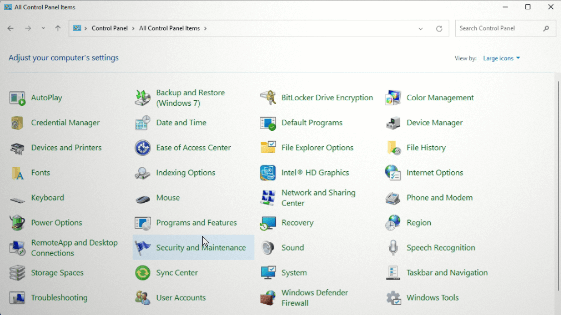
- Go to the “Create System Image” option located at the left pane.
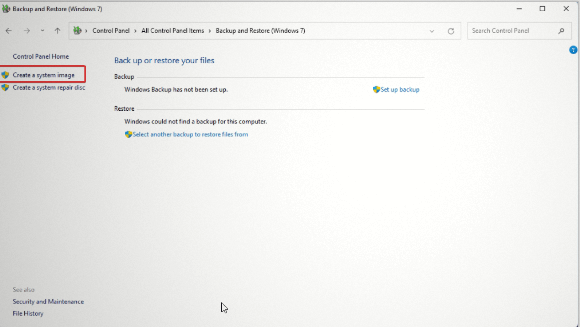
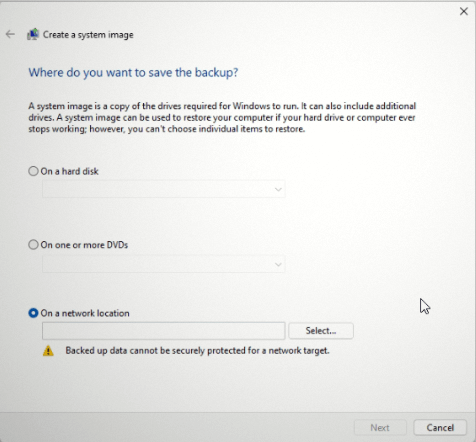
- The system gives three options to save Windows 11 to the externally attached devices. These options include on a hard disk, one more DVD, and on a network location.
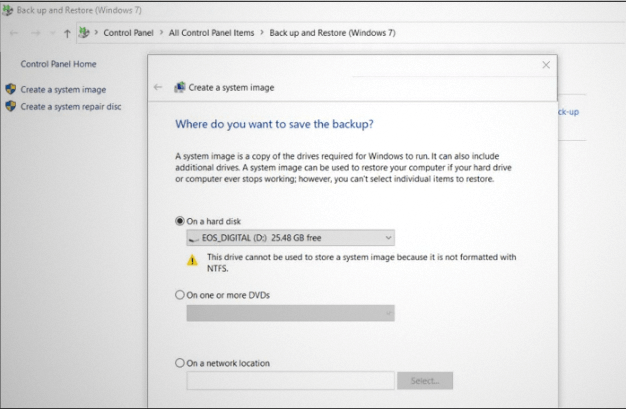
- While saving the copy of Windows 11 on an external hard disk, you can select the “external drive” option that leads the data to the connected disk to the system.
- You can go for the “confirm” option to start using system image creation.
- Open the system in the “Advanced Recovery Mode.”
- Locate the “Choose System Image Recovery” from troubleshoot and advanced options.
- Go to “connect the external device” and select to recover the PC.
- Hence, the Windows System Image Recovery uses the image and clones the entire data to the external disk.
- After creating the Windows 11 clone, you can restart the computer to any external storage device like SSD.
Method 2: Use the EaseUS Todo Backup tool to clone Windows 11 to SSD/ HDD/ USB
There may be different issues as all the steps are required to use the system image recovery while cloning Windows 11 to any external device. Hence, many users look for quick and simple ways to clone Windows 11 and something effective that can be used on multiple devices at once.
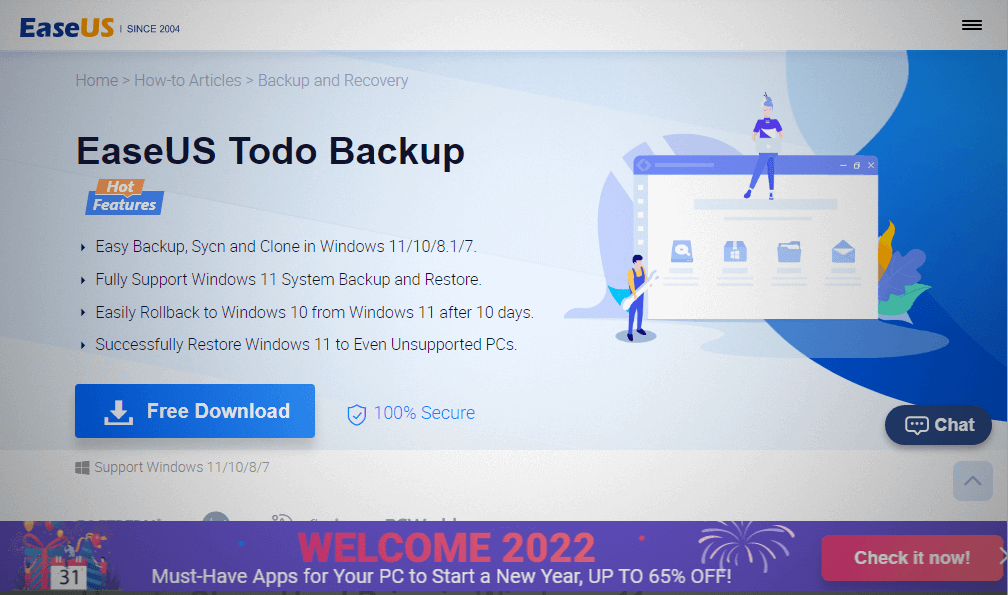
EaseUS is a leading technology company with multiple users globally for its dedicated products like EaseUS disk partition master and EaseUS Todo Backup. The quick features of EaseUS Todo Backup include:
- Can quickly clone, sync, and back up Windows 11/10/8.1/7.
- Offers easy rollback to Windows 10 from Windows 11 after ten days only.
- Can restore Windows 11 on unsupported PCs.
- Complete support to Windows 11 system backup and restore.
It is an easy-to-use software that can clone Windows 11 to any external storage device using the following steps.
- Download the EaseUS Todo Backup tool from the official website.
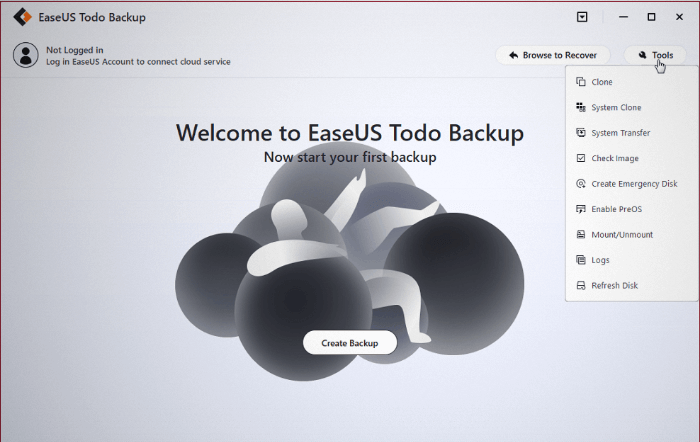
- Open the software and go to the “Tools.”
- Go to the disk partition and go to “next.”
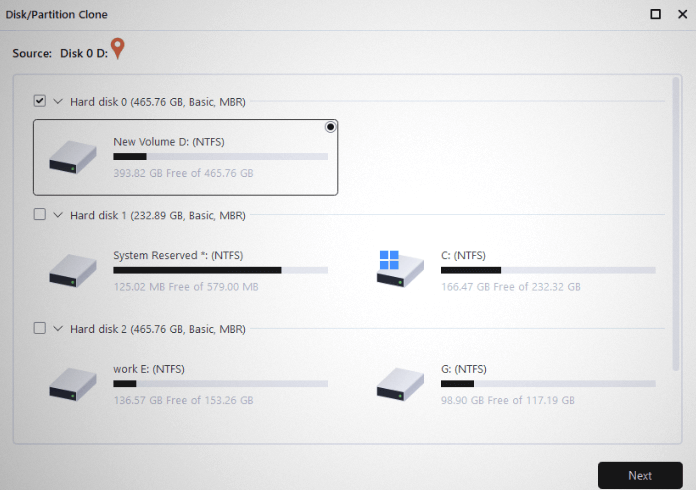
- It is easy to select the target disk from the visual board and ensure that it is greater than the source disk or partition.
- It shows a warning window that informs that this cloning can permanently clean the data on the disk and start cloning using the “Continue” option.
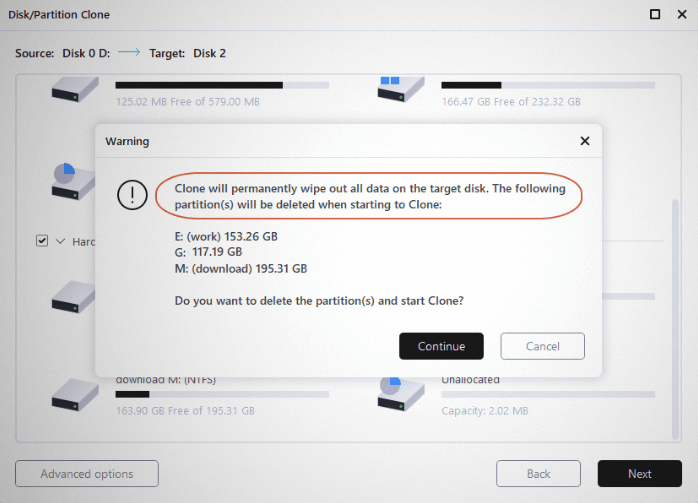
- Restart the system using cloned hard drive or SSD. Go to F2, F12, or Del key to enter the BIOS settings.
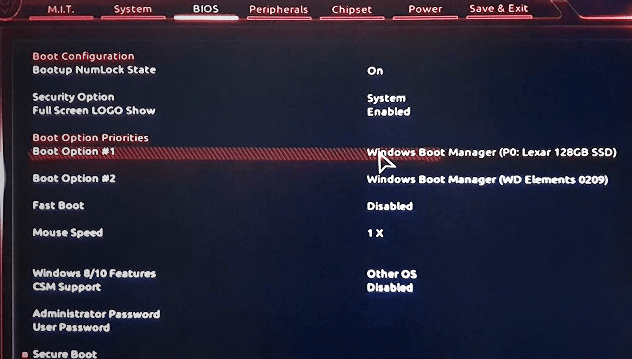
- Change the boot priority and set the option to boot from the newly cloned disk. Save the change and exit BIOS.
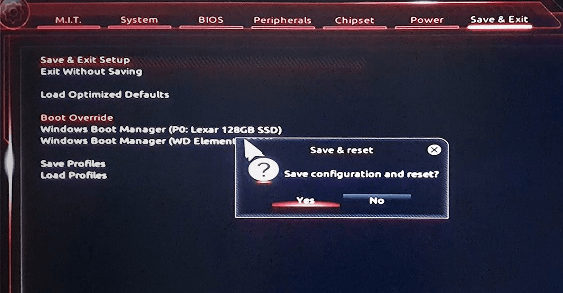
- You can start the computer.
Wrapping Up:
Thus, it is super easy to clone Windows 11 to SSD/HDD/USB drive quickly. The easiest way is to use the EaseUS Todo Backup that quickly creates a backup of a hard drive on any other hard drive. Hence, it safely protects the operating system and other data as a digital copy.
There are two simple ways to achieve Windows 11 cloning to SSD/HDD/USB drive manually or automatically. We’ve mentioned the step-by-step process for manually cloning Windows 11. The best-recommended way is to download the EaseUS Todo Backup tool and enjoy a one-quick backup of Windows 11 to HDD, SSD, or USD drive.
Author Bio:
Dinesh Lakhwani 

Dinesh Lakhwani, the entrepreneurial brain behind “TechCommuters,” achieved big things in the tech world. He started the company to make smart and user-friendly tech solutions. Thanks to his sharp thinking, focus on quality and the motto of never giving up, TechCommuters became a top player in the industry. His commitment to excellence has propelled the company to a leading position in the industry.
Popular Post
Recent Post
How To Disable Cookies in Browser [Complete Guide]
So, search for a pair of shoes once online. Close the tab. By evening, those same shoes are sitting on your news site, your video app, and even your recipe blog. Nobody placed them there by chance. A cookie did. Well, yes! Cookies are small files that websites place on your device while you browse. […]
How To Disable Background Apps In Windows: 4 Quick Methods
A slow PC rarely gives a warning. One day, it simply takes longer to start. Apps open late. The fan runs loud, even when the screen is almost empty. Most people blame old hardware. Often, that is not the real reason. The real reason is hiding in plain sight. Windows keeps many apps active in […]
How to Activate Windows with a Product Key for Windows 11 & Windows 10
It always shows up at the worst time. You are halfway through a report, or about to join a video call. Then you spot it in the bottom right corner of the screen. Activate Windows. Go to Settings to activate Windows. Initially, an unactivated copy of Windows may seem like a minor inconvenience. Over time, […]
Is Easy Duplicate Finder Worth It? Honest Review
The photos folder looked normal at first glance. Then the storage warning popped up. One trip photo appeared four times. A tax PDF sat in three different folders. Two old setup files were still in Downloads, and each one was over 500 MB. Nobody plans this mess. Copies pile up slowly. A download runs twice. […]

Wise Duplicate Finder Review: Real Results from Wise Duplicate Finder
Read my honest Wise Duplicate Finder review. See features, pricing, pros and cons, and real PC test results. Find out if this free duplicate cleaner can free up your Windows storage.
How to Recover Deleted Files from Pen drive, USB Drive, SD Card
Introduction: On tech forums, you’ll often see posts like this: “I connected my pen drive to my laptop this morning, but the folder was empty. All my college project files had vanished. I don’t have a backup. Can someone help me?” Stories like this are very common. Pen drives, USB drives and SD cards are […]

How To Recover Files Deleted from the Recycle Bin [Windows 11]
Losing a file can happen in seconds. You clear your desktop, hit Delete, and empty the Recycle Bin. Then, just when you need that file again, it seems to have vanished. This guide will walk you through ways to restore files removed from the Recycle Bin. We will begin with simple fixes, then look at […]

Disk Drill Data Recovery Tool Explained: Full Review and Guide
It happens in a split second. You delete a folder by mistake. Your drive stops showing up. A photo album from your last trip just vanishes. And your stomach drops. Lost files feel personal. They are not just data. They are memories, work hours, and sometimes years of effort packed into a few gigabytes. When […]
Recover Deleted Files In Windows 11 With Software & Without
Introduction What is the first thing that goes through your mind the second an important file vanishes from a Windows 11 PC? For most people, it is a mix of panic and disbelief, followed by a frantic click through every folder that file could possibly be hiding in. It happens in a split second: one […]