







Imagine this. You spend hours perfecting a video project. You hit save. Then your laptop freezes, reboots, and when the screen comes back. The file is gone. Your stomach sinks. It’s not just you. Lost files happen all the time. A dropped hard drive, a bad update, an accidental delete, or a corrupted partition can […]
Let’s See How to Block Adverts and Stop Pop-ups on Chrome
Adverts and pop-ups are simply annoying. Suppose you are in the middle of searching for quick information for your project. And suddenly, adverts after pop-ups keep on appearing in your Chrome browser.
You will definitely want to pull your hair in frustration after this! But, hey, don’t be dramatic when you can easily block adverts and pop-ups in Chrome.
Whether you are using Mac, Windows, iOS, or Android to surf on Google Chrome, there is a simple way to block adverts and stop pop-ups on your computer. Let’s see how to block annoying ads and pop-ups.
Why Do Adverts and Pop-ups Keep on Appearing on Chrome?
Pop-ups and adverts are anything that appears on your Chrome screen for promotional purposes. It could be a discount ad on a shopping site or a bunch of viral stories from sites you often visit. Mostly, pop-ups appear on Chrome because:
- They promote a product or service related to the website you are browsing.
- They share relevant content based on your search history.
- They provide deals and subscriptions for your most searched YouTube channels or newsletters.
- Advertising provides content based on cookies installed on Chrome.
Pop-ups and ads are there for marketing purposes. But unfortunately, some are malicious and scammy, which can corrupt your computer. So, it is important to block adverts and stop pop-ups on Chrome for safe web browsing.
How to Recognise Scammy Adverts and Fishy Pop-ups
You can easily spot adverts and pop-ups as they annoy you every time you are in the middle of an important web search. However, if you want to spot and block those adware and malicious pop-ups, they look like this:
- They say you have won a huge sum in the lottery.
- They pretend to be from government organizations.
- They are jam-packed with spelling mistakes, weird symbols, unprofessional imagery, and other grammatical errors.
- They take up your entire screen, and closing them will probably lead to opening a link.
- They contain sketchy phone numbers or links.
How to Block Adverts and Stop Pop-ups on Chrome Browser
So, you have now recognized fishy ads and pop-ups. The next step is to block adverts and stop pop-ups. Let’s see how to do that on different operating systems:
Block Adverts and Stop Pop-ups on Mac
There, you can simply block adverts and pop-ups on Mac using Chrome’s internal settings. Here is how to do it:
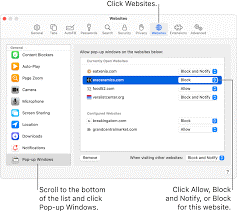
Step 1. Launch Google Chrome, click on the three dots in the top-right corner, and select Settings. You can also paste this link in the search bar – chrome://settings.
Step 2. Go to Security and Privacy > Site Settings.
Step 3. Scroll down to Pop-ups and redirects and just check the box next to ‘Don’t allow sites to send pop-ups or use redirects.’
Block Adverts and Stop Pop-ups on iOS
Likewise, you can stop pop-ups on Chrome if you use an iPhone or iPad. To do so:
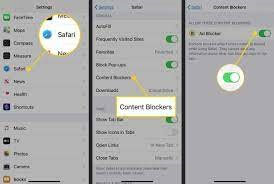
Step 1. Open Chrome, tap on the three dots located on the address bar, and select Settings.
Step 2. Scroll down to the Content Settings and tap on it.
Step 3. Tap on the Block pop-ups and switch the toggle to the on position.
Block Adverts and Stop Pop-ups on Android
For Android users, it is super easy to stop pop-ups. They can even specify a website from where you want to see ads and pop-ups. Just follow these steps:
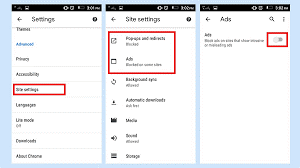
Step 1. Like before, open Chrome, tap on More from the right side of the address bar, and tap on Settings.
Step 2. Tap on the Permissions > Pop-ups and redirects > Turn on the toggle next to Pop-ups and redirects.
Step 3. You can go to a page where pop-ups are blocked and tap on the Always show next to sites from where you want to see pop-ups.
Block Adverts and Stop Pop-ups on Windows
Windows users also have to follow the same steps as Mac users to block ads in Chrome. However, if you want a bit of reference, simply follow these steps:
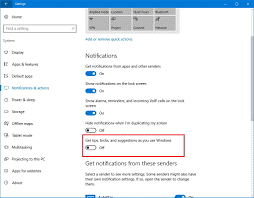
Step 1. Open Chrome Settings by clicking on the three dots in the upper-right corner.
Step 2. Click on Privacy and security.
Step 3. Scroll down to the Site Settings > Pop-ups and redirects > Move the toggle next to block pop-ups.
Block Adverts and Stop Pop-ups within Chrome
Regardless of the operating system, there is a way to block ads within Chrome. Google Chrome Web Store has a vast extension library. From there, you can install robust ad blocker extensions on your web browser.
Follow these steps to install adblocker extension on Chrome;
Step 1. Open Chrome and search for Chrome Web Store. Or, you can simply paste in the address bar – https://chrome.google.com/webstore/category/extensions.
Step 2. Type a search query like ‘ad blocker’ or ‘pop-up blocker.’
Step 3. There will be a list of ad blockers appearing on your screen.
Step 4. Review all the extensions, their features, and select the most suitable one. Click on the Add to Chrome.
Step 5. Once the plugin is installed, click on the three dots next to the address bar and select Settings > Extensions.
Step 6. Move to the extension you have just installed > Details > Turn it on.
There you go, people! You have learned all the common ways to block adverts and stop pop-ups on the Chrome browser. Now, no need to struggle with ads and relish quick web browsing.
Once you have blocked ads, don’t forget to follow us on social networks for more helpful guides.
FAQs:
1. Why do I keep seeing pop‑ups even after enabling Chrome’s blocker?
Chrome’s built‑in pop‑up blocker handles most unwanted windows, but some sites use scripts or ads that bypass it. In such cases, adding a trusted ad‑block extension or adjusting site permissions can help stop persistent pop‑ups.
2. Is it safe to use AdBlock extensions in Chrome?
Yes, as long as you choose reputable extensions from the Chrome Web Store. Well‑known ad blockers are safe and effective, but avoid downloading tools from unknown sources, as they may contain malware or compromise your privacy.
3. Will blocking ads affect website functionality?
Sometimes. Certain sites rely on ads for revenue or use scripts tied to their content. Blocking ads may cause features like video playback or login prompts to malfunction. If this happens, you can whitelist trusted sites while keeping ads blocked elsewhere.
Author Bio:
Dinesh Lakhwani 

Dinesh Lakhwani, the entrepreneurial brain behind “TechCommuters,” achieved big things in the tech world. He started the company to make smart and user-friendly tech solutions. Thanks to his sharp thinking, focus on quality and the motto of never giving up, TechCommuters became a top player in the industry. His commitment to excellence has propelled the company to a leading position in the industry.
Popular Post
Recent Post

5 Best Data Recovery Software For Windows 11 and Windows 10
A crashed drive can ruin a whole day. One minute your photos, work files, and tax records sit safe on your PC. The next minute they are gone. A power cut, a bad update, or one wrong click can wipe out years of memories and months of work in seconds. That sinking feeling is why […]
How To Update NVIDIA Drivers On Windows 11/10 PC
Learn how to update NVIDIA drivers on Windows 11/10 with simple methods, safety tips, and easy steps for smoother gaming and better PC performance.

Top AI Features Hidden Inside Windows 11
Explore the top AI features in Windows 11, from Copilot to Recall, plus safety tips and simple steps to use each tool the right way.

Customize Your Screen Saver Settings in Windows [Easy Steps]
Learn how to customize screen saver settings in Windows 11 with easy steps, safety tips, and simple tricks to personalize your PC screen.

Driver Easy Windows Driver Updater Tool Review: Tried & Tested
In-depth information about Driver Easy’s functions and features can be found in our review. Learn how to update drivers more easily with this tool for a more seamless computer experience.

Is Avast Driver Updater Worth It? A Hands-On Analysis
A full review of Avast Driver Updater covering features, setup steps, pricing, pros and cons, and real PC results, to help you decide if it is worth buying.

IObit Driver Booster 13 (PRO) Review: [Tried & Tested]
IObit Driver Booster 13 is built for one purpose: keeping your PC drivers up to date. Well, yes! Outdated drivers can cause crashes, slowdowns, and hardware issues. This tool scans fast and updates with one click. The interface is simple. Even beginners can use it without confusion. Updates are pulled from a huge database, covering […]

Auslogics Driver Updater: A Detailed Walkthrough [2026]
This comprehensive review covers the key features, pros, and cons, pricing, and a final verdict on Auslogics’ driver update utility. Learn how it stacks up against manual driver maintenance.

5 Best Driver Updater Tools for Windows to Use (Free and Paid)
Introduction: Most people blame their PC for problems that a driver caused. A driver works like a bridge between your hardware and your operating system. When this bridge cracks, strange things start to happen. Screens flicker without reason. Printers go silent mid-task. Games freeze or crash out of nowhere. Manually finding the right driver is […]