




Introduction: Antivirus software helps protect Windows PCs from digital threats. It detects viruses, blocks ransomware, and alerts users about unsafe websites. However, some security tools consume too much RAM and CPU power. This can make everyday tasks feel slow. Older laptops and low-end PCs often face this problem. The computer may take longer to start. […]
How To Speed Up Slow Boot Times in Windows 10 [Complete Guide]
Introduction
A slow boot time can test anyone’s patience. You press the power button and wait longer than expected. The system takes time to load basic services and desktop items. Even simple startup tasks feel delayed. This becomes frustrating when you need quick access to your files or apps. Many users notice this problem after using their system for a while.
The issue is common in Windows 10 systems. It often builds up slowly rather than appearing all at once. Small changes, new apps, and background processes add to the delay. The good part is that most causes are easy to handle. With a few careful steps, you can improve startup speed. A faster boot makes your system feel smoother and more responsive from the start.
Why Does Your PC Take So Long to Boot?
Slow boot time is usually the result of multiple small issues working together. It is rarely caused by one major fault. Over time, system load increases and affects startup performance. Understanding the reasons helps you fix the problem more effectively and avoid it later.
- Too Many Startup Programs
Many applications are set to launch during startup. These programs begin running in the background as soon as you turn on your PC. This increases the load on system resources and delays the boot process. - Outdated Drivers
Drivers help your hardware communicate with the system. When they are outdated, they may slow down the loading process. This can also lead to errors during startup. - Low Disk Space
A nearly full system drive affects overall performance. Windows needs enough free space to manage temporary files and system operations. Lack of space can slow down boot time. - Fragmented Hard Drive (HDD)
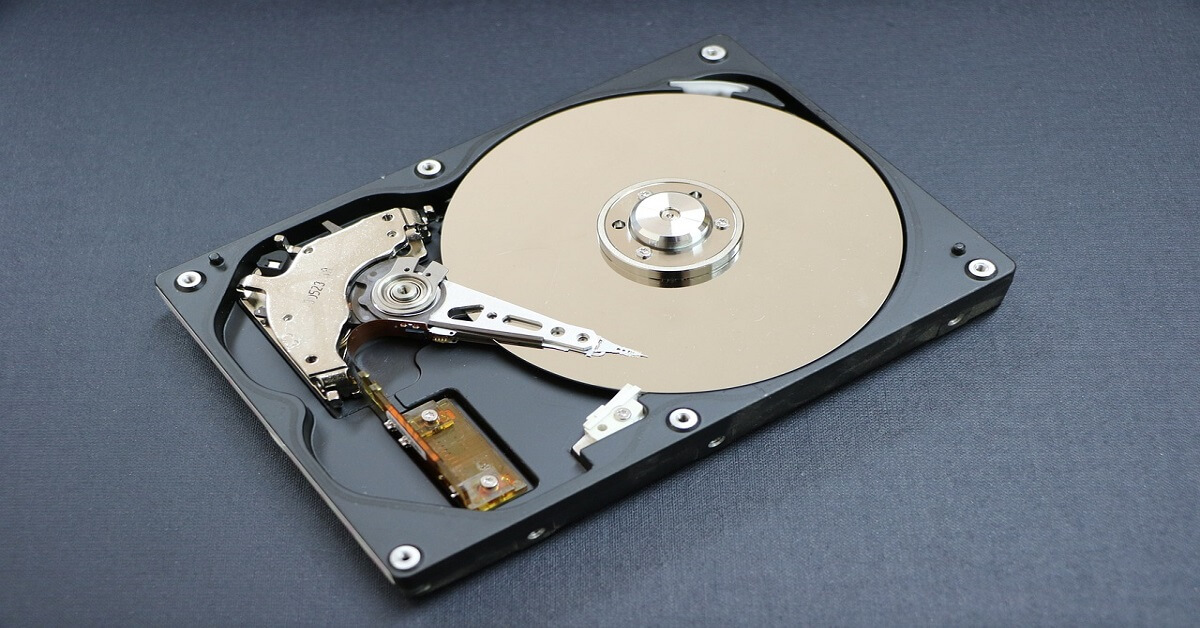
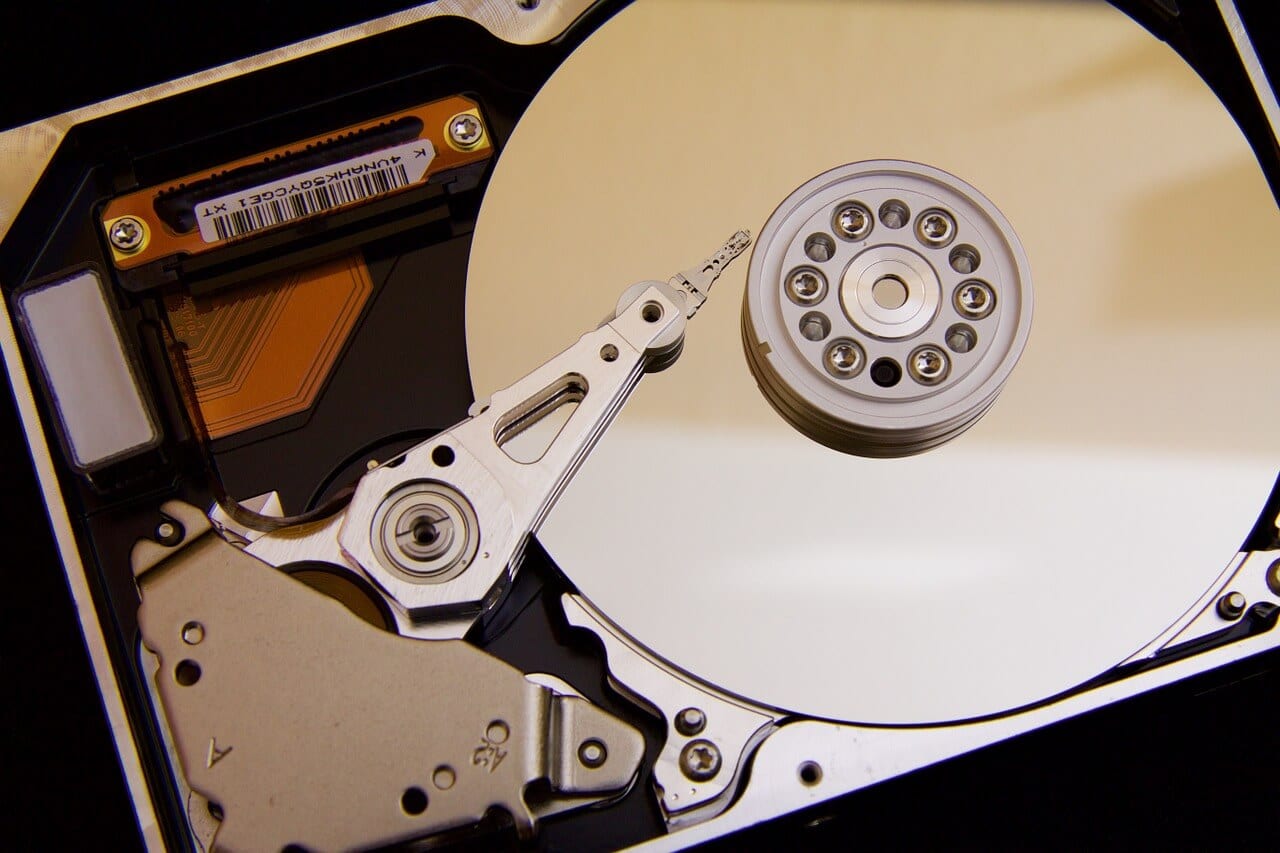
On systems with a traditional hard drive, files can become scattered over time. This makes it harder for the system to read data quickly. As a result, boot time increases. - Malware or Unwanted Programs
Harmful or unnecessary software can run in the background. These programs consume system resources even during startup. This leads to slower boot performance. - Disabled Fast Startup Feature
Windows offers a fast startup option that reduces boot time. If this feature is turned off, your system performs a full boot each time. This naturally takes longer. - Too Many Background Services
Several services start automatically with Windows. Not all of them are essential for daily use. Extra services can slow down the boot process. - Aging Hardware
Older systems often struggle with modern software demands. Limited RAM, slower processors, or old hard drives can increase boot time. Hardware limitations play a key role in startup speed.
Tips to Fix Slow Boot Times in Windows 10
The following tips have been tried and tested on computers with different computing speeds. They are recommended by experts since there is no need of installing third party software. Boot times have been reported to come down by 5-10 times based on the speed of the processor. Read on to find out how.
1. Choose the ‘Fast Start-up’ Feature
With the Windows 10 update, Microsoft brought in the ‘Fast Startup’ feature. If this feature is enabled, your computer will prepare itself before shutting down – meaning there will be no updates, no configurations, and the like during start-up. You switch on the power and you will see your home screen within a minute.
Additionally, when you enable this feature, your computer will save the current state of your device in real time, and this includes open programs and connected devices. So, the next time you boot your computer, all programs and incomplete work can be loaded much faster.
To speed up Windows 10 boot using this feature, do the following.
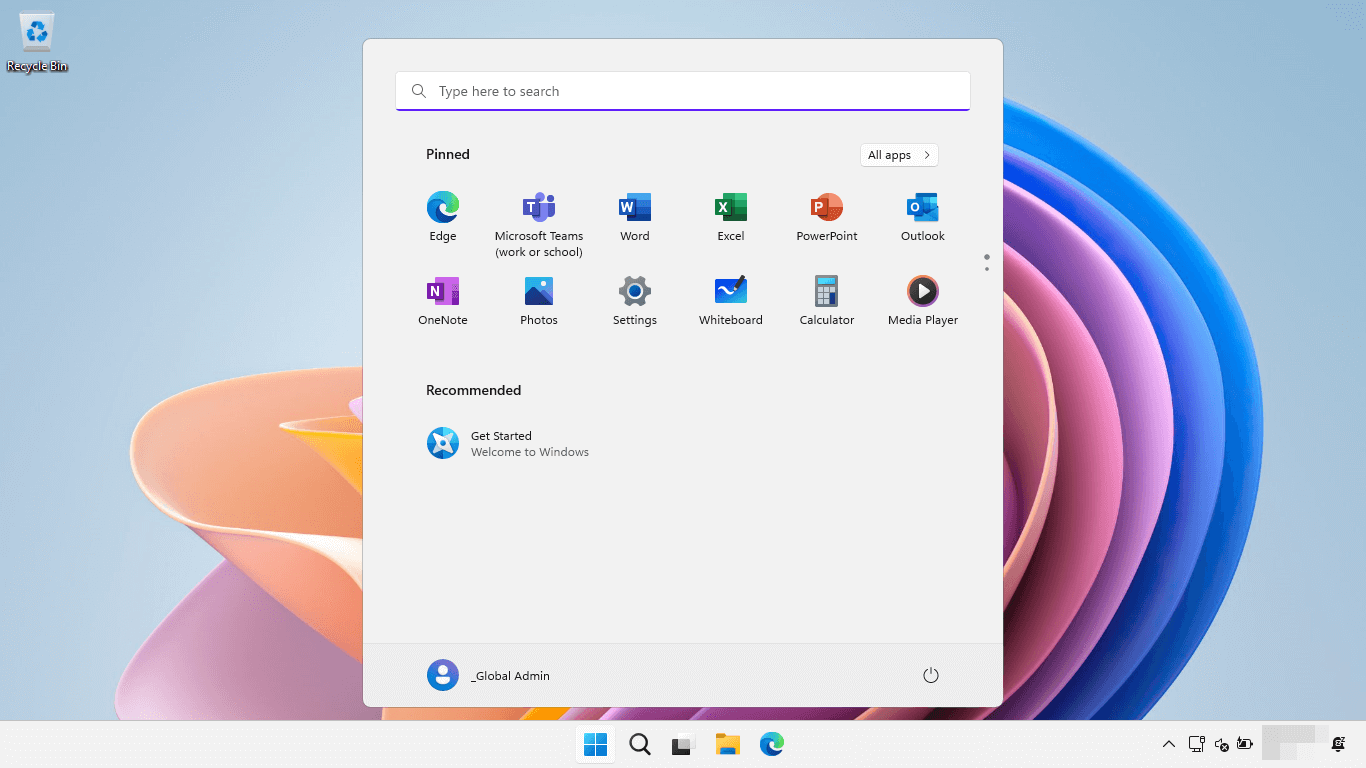
- Open the Start menu
- Select power options
- Click on ‘Choose what power buttons do’
- Select ‘Change settings that are currently available’
- Choose Shutdown settings
- Click on ‘Turn on Fast Start-up’
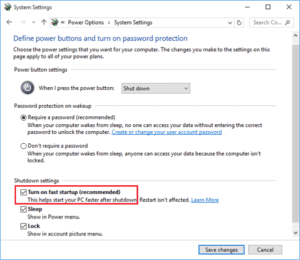
Note: In case you would like to update your computer, you will have disable the ‘Fast start-up’ option and do so.
2. Programs That Open Upon Start-up
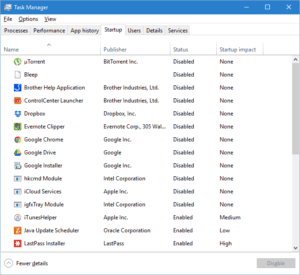
If it still takes too long to begin working after enabling the ‘Fast start-up option’, then your computer might be opening too many programs when it starts up.
Obviously, if it starts too many programs at once, it has a lot to process and will definitely take up more time. The programs that open upon boot often run in the background, and that means they are slowing not just the start-up time but your computer’s overall processing time.
Hence, to speedup windows 10 start-up and shut-down times, do the following.
- Click on Start
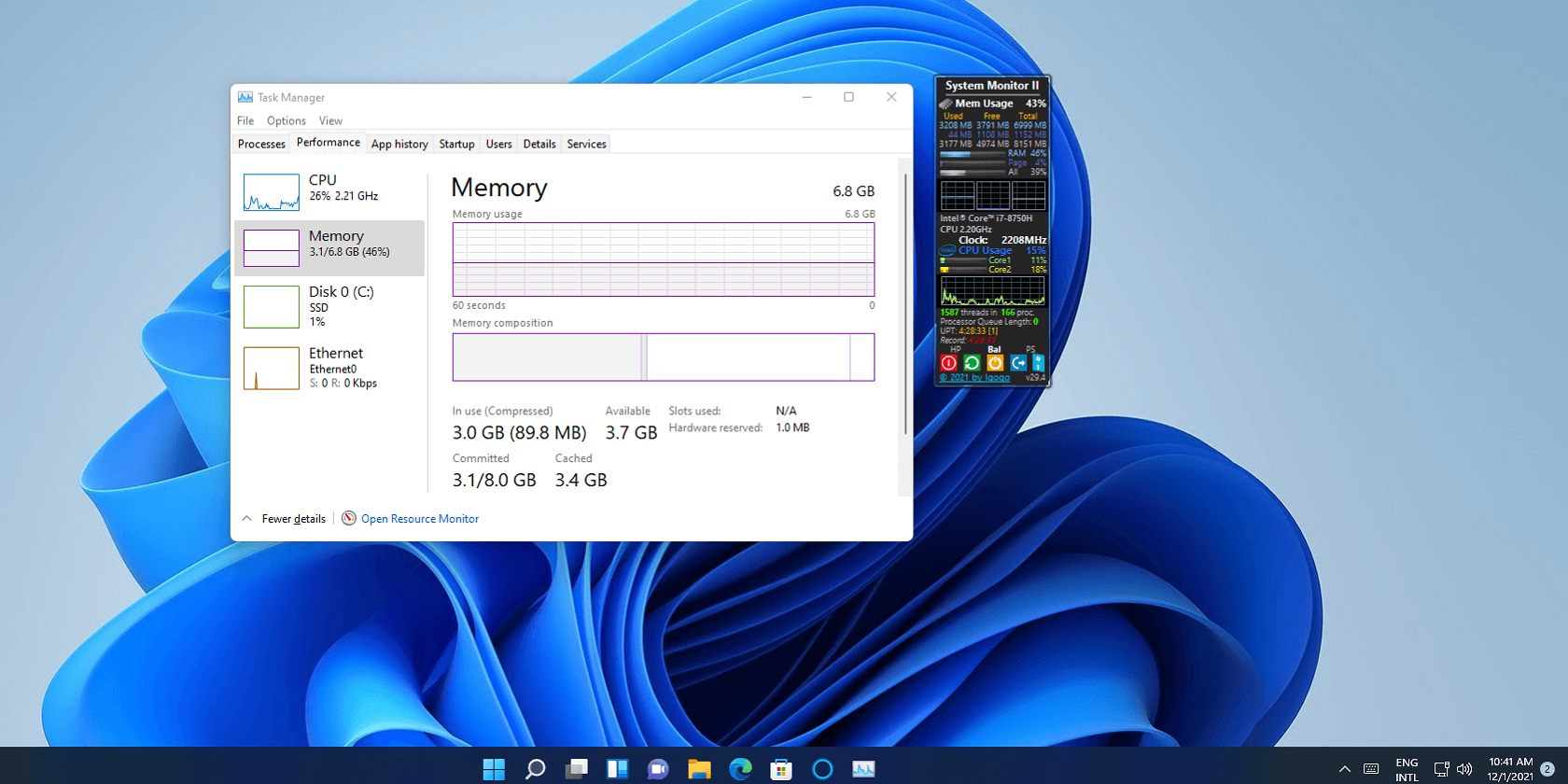
- Open Task Manager
- Go to More Details
- Select Startup
- A list of all the programs will pop up. Choose the ones that you don’t need and disable them.
3. Special Effects Cost You
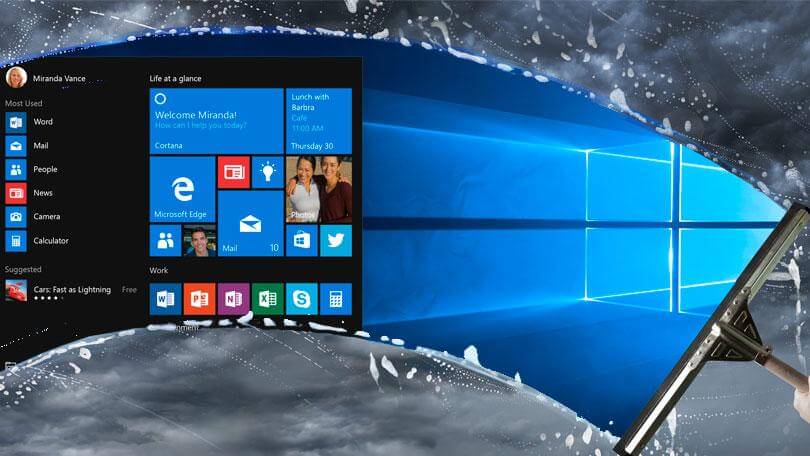
Windows 10 comes with a transparent Start-up menu with some built-in special effects. The special effects that came with the computer when you bought it, as well as your transparent menu, are costing you your precious boot time. Here’s how you disable them and speed up Windows 10 boot times.
First, the Menu.
- Go to Settings > Personalization > Colours
- Toggle off Action Centre transparent, Make Start and taskbar.
Now for the special effects.
- Right-click on Start
- Select System and Advanced settings
- The System Properties Menu pops up
- Go to the Advanced tab, which is under Performance, and click on Settings
- Now, the Performance Options Menu opens up
- Go to Visual Effects
- Click on‘Adjust for best performance.’
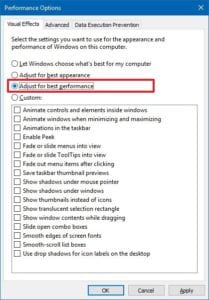
And that’s it. You would have significantly reduced your computer’s processing time.
4. Reduce The Boot Menu Timeout
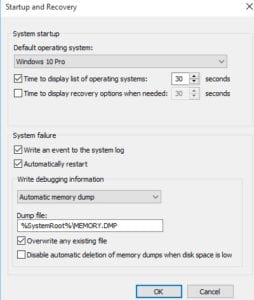
Whenever you start your computer, the boot menu appears before the OS. By default, this menu stays on for 30 seconds. You can choose to reduce the time and speed up Windows 10 boot.
- Click on Start
- Go to Control Panel
- Choose System
- Go to Advanced System Settings
- Click on Startup and Recovery
- Click Settings
- Go to ‘Time to Display List of Operating Systems’. Here you can reduce the time.
- Press OK
5. Clean up your Computer
To speed up Windows 10 Startup and shutdown times, you can try cleaning your computer. One way to do this is to get rid of files you no longer need and organize the files you need into different folders.
Next, you can move some of these folders to other drives. Placing all your files on your desktop would mean that you have placed them on the C drive. This slows down your computer.
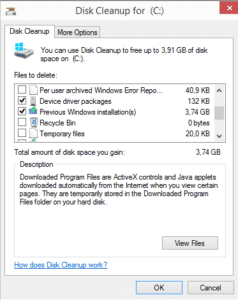
If there are programs that you don’t use anymore, it’s best if you uninstall them and let your PC have some breathing space! Finally, run Disk Cleanup. You can just type it out in the search bar beside the start menu. Once you load the program up, click on ‘Clean up System Files,’ and Windows will do the job for you.
Conclusion
Fixing slow boot times in Windows 10 is often simpler than it seems. Most problems come from everyday usage patterns. Managing startup programs and keeping your system updated can make a clear difference. Small improvements in settings can lead to faster results. It is always better to begin with basic checks before trying advanced changes.
Regular maintenance helps keep your system in good shape. Remove unused apps and keep your storage clean. Check for malware and update drivers when needed. If your system still feels slow, a hardware upgrade like an SSD can help a lot. With consistent care, your PC will start faster and run more smoothly over time.
FAQs
- How long should a normal Windows 10 boot take?
A normal boot time depends on your hardware. Systems with SSDs usually start within 15 to 30 seconds. Older systems with HDDs may take around one minute or more. If your PC takes much longer, it may have too many startup programs or system issues that need fixing. - Does disabling startup programs really help?
Yes, it helps reduce the load during startup. When fewer programs run at boot, the system can focus on essential tasks. This leads to a faster and smoother startup. It is one of the easiest and safest ways to improve boot time. - Will upgrading to an SSD improve boot speed?
Yes, upgrading to an SSD can greatly improve boot speed. SSDs access data much faster than traditional hard drives. This reduces loading time and improves overall system performance. It is one of the most effective upgrades for older systems.
Author Bio:
Dinesh Lakhwani 

Dinesh Lakhwani, the entrepreneurial brain behind “TechCommuters,” achieved big things in the tech world. He started the company to make smart and user-friendly tech solutions. Thanks to his sharp thinking, focus on quality and the motto of never giving up, TechCommuters became a top player in the industry. His commitment to excellence has propelled the company to a leading position in the industry.
Popular Post
Recent Post
How To Disable Cookies in Browser [Complete Guide]
So, search for a pair of shoes once online. Close the tab. By evening, those same shoes are sitting on your news site, your video app, and even your recipe blog. Nobody placed them there by chance. A cookie did. Well, yes! Cookies are small files that websites place on your device while you browse. […]
How To Disable Background Apps In Windows: 4 Quick Methods
A slow PC rarely gives a warning. One day, it simply takes longer to start. Apps open late. The fan runs loud, even when the screen is almost empty. Most people blame old hardware. Often, that is not the real reason. The real reason is hiding in plain sight. Windows keeps many apps active in […]
How to Activate Windows with a Product Key for Windows 11 & Windows 10
It always shows up at the worst time. You are halfway through a report, or about to join a video call. Then you spot it in the bottom right corner of the screen. Activate Windows. Go to Settings to activate Windows. Initially, an unactivated copy of Windows may seem like a minor inconvenience. Over time, […]
Is Easy Duplicate Finder Worth It? Honest Review
The photos folder looked normal at first glance. Then the storage warning popped up. One trip photo appeared four times. A tax PDF sat in three different folders. Two old setup files were still in Downloads, and each one was over 500 MB. Nobody plans this mess. Copies pile up slowly. A download runs twice. […]
Wise Duplicate Finder Review: Real Results from Wise Duplicate Finder
Read my honest Wise Duplicate Finder review. See features, pricing, pros and cons, and real PC test results. Find out if this free duplicate cleaner can free up your Windows storage.
How to Recover Deleted Files from Pen drive, USB Drive, SD Card
Introduction: On tech forums, you’ll often see posts like this: “I connected my pen drive to my laptop this morning, but the folder was empty. All my college project files had vanished. I don’t have a backup. Can someone help me?” Stories like this are very common. Pen drives, USB drives and SD cards are […]

How To Recover Files Deleted from the Recycle Bin [Windows 11]
Losing a file can happen in seconds. You clear your desktop, hit Delete, and empty the Recycle Bin. Then, just when you need that file again, it seems to have vanished. This guide will walk you through ways to restore files removed from the Recycle Bin. We will begin with simple fixes, then look at […]
Disk Drill Data Recovery Tool Explained: Full Review and Guide
It happens in a split second. You delete a folder by mistake. Your drive stops showing up. A photo album from your last trip just vanishes. And your stomach drops. Lost files feel personal. They are not just data. They are memories, work hours, and sometimes years of effort packed into a few gigabytes. When […]
Recover Deleted Files In Windows 11 With Software & Without
Introduction What is the first thing that goes through your mind the second an important file vanishes from a Windows 11 PC? For most people, it is a mix of panic and disbelief, followed by a frantic click through every folder that file could possibly be hiding in. It happens in a split second: one […]