






So, search for a pair of shoes once online. Close the tab. By evening, those same shoes are sitting on your news site, your video app, and even your recipe blog. Nobody placed them there by chance. A cookie did. Well, yes! Cookies are small files that websites place on your device while you browse. […]
What is Ransomware? How It Works and How to Remove It?
Ever since the computer is introduced to us, the way everything around us operates has been completely changed. For most of the part, it has been extremely good, but it also has brought some unwanted and unpleasant scenarios as well. While computers are being used for pretty much every purpose, we now have millions of computers all around the world.
Well, there’s a darker side to this phenomenon, which is the aspect of cyber attacks. Even though digital threats are nothing new to us, but recently they’ve been growing stronger with exponential pace.
The latest threat that shook the digital world is ransomware, especially popularized by the ‘wannacry’ attack. Thousands of people have become victim to this ransomware attack. To know what is ransomware and other related information, keep on reading.
What is Ransomware?
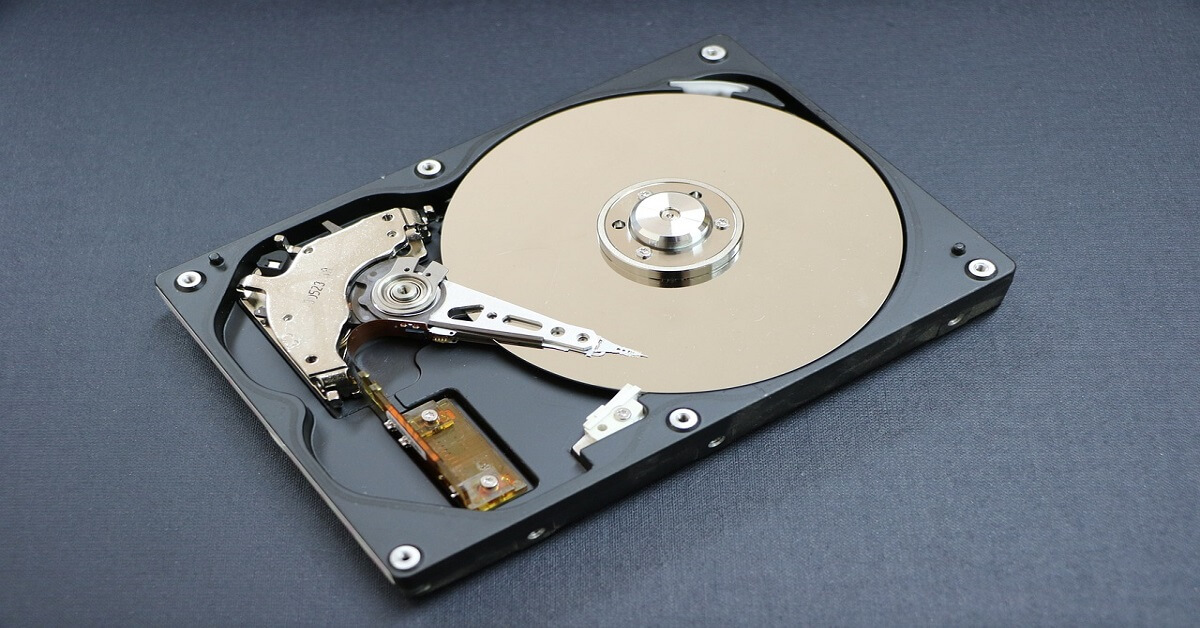
Ransomware is a type of malicious software, which is also shortly known as malware. It attacks vulnerable computers and gets access to all the files in the devices. After achieving access, it then encrypts those files and demands money as ransom from the device owner.
Unless the person pays the ransom amount, the computer will stay in locked mode, making it impossible to access your data. Let’s have a look at some of the popular ransomware types:

Image Source: condecdn.net
- Scareware: Well, you don’t really have to be scared just because it has the term ‘scare’ in its name. Basically, it’s a fake program that claims itself to be a genuine security program. It then offers you assistance in fixing various types of system issues. If you accept the offer you’ll be asked to pay subscription fee. If you still proceed with that, you will just lose money and nothing gets fixed. To be precise, it’s just a scamming method. This type of ransomware is deployed through pop-up, which if you ignore, you’ll be just fine.
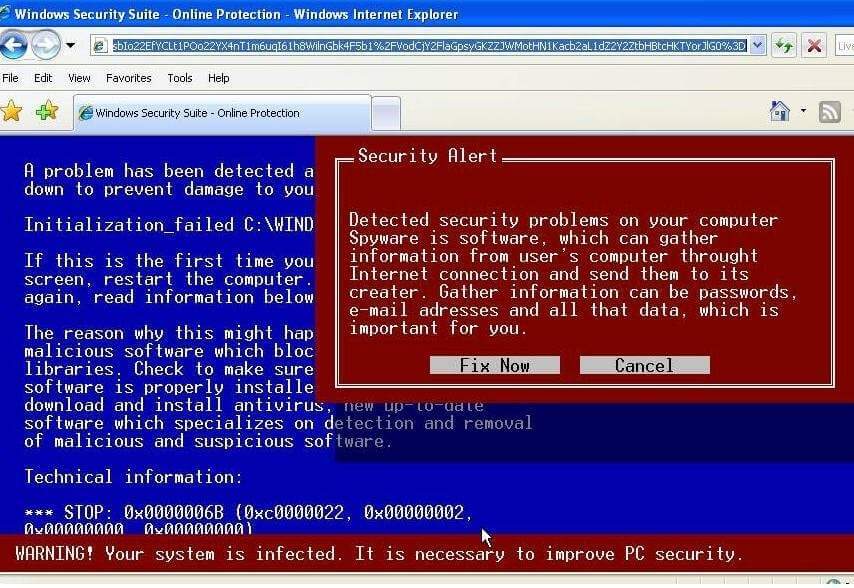
Image Source: fraudwatchinternational.com
- Doxware: Now, we move to the next level of ransomware threats, which is Doxware, alternatively known as leakware. If your device is infected with this type of malicious software, you’re almost doomed. As we all store confidential and personal files on our devices, doxware, after attacking your computer, threatens to leak your information unless you pay ransom money.
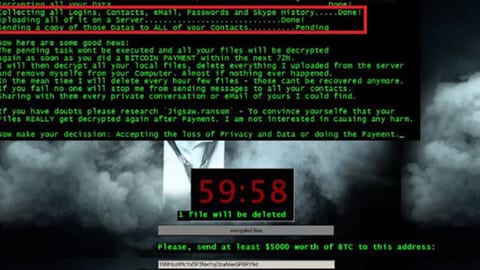
Image Source: thewindowsclubco
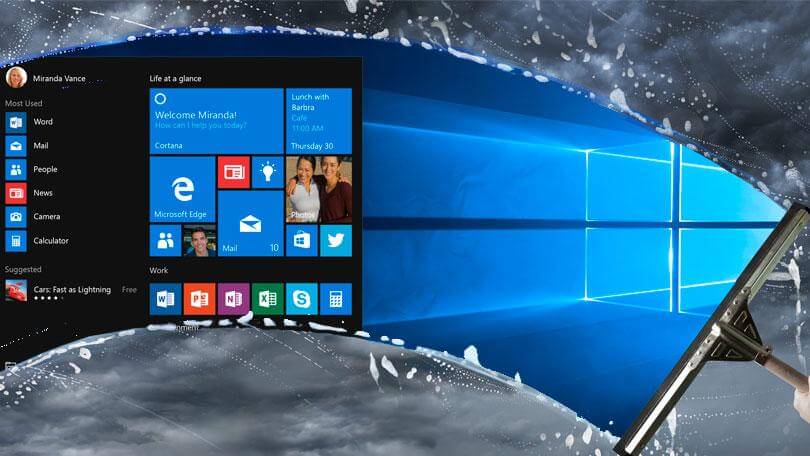
- Encrypting Ransomware: This is the most lethal form you can get from ransomware. Many famous cyber attacks come under this category, as they’ve bamboozled a lot of people around the world. Basically, hackers use this attack method to get hold of a device and then to encrypt it completely. Unless you pay the demanded amount of money as ransom, you can’t get access to your device and files in it. It is as dangerous as it gets if you’ve fallen victim to this category.
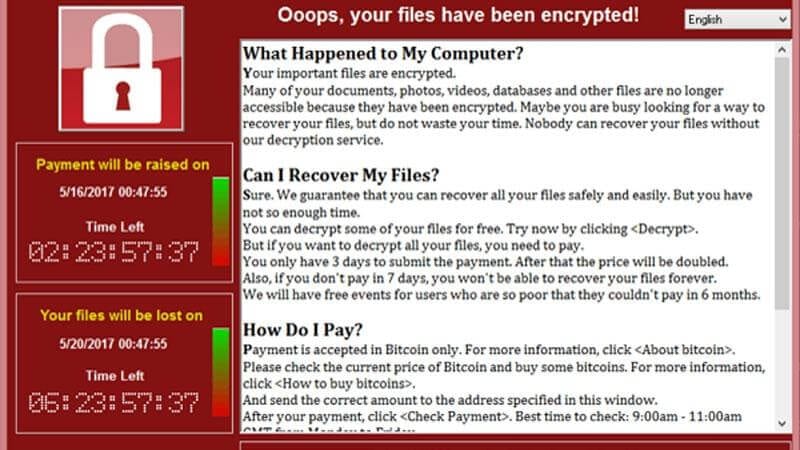
Image Source: computerworlduk.com
How does Ransomware work?
As discussed above, a ransomware program attacks your computer and then encrypts the data in it. You can get access to your files only if you pay the ransom money. So, to understand the process of how it works in a better way, let’s have a look at some of the key steps involved in the attack:
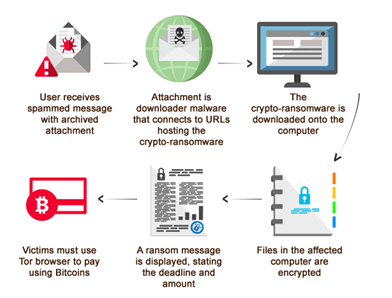
Image Source: trendmicro.com
- Generally, it all starts with the deployment of the malware into your device, either through an e-mail, pop-up, or any other source.
- When the user clicks on the source, which is disguised as an important item, a redirection to a new landing page takes place.
- Once the website redirection happens, the server hosting the ransomware begins communicating with your device.
- As soon as a vulnerability is found in the victims’ computer, the malware file download begins.
- The final step involves the encryption of the victim’s files and information, after which a message appears with payment details.
How to remove Ransomware from your device?
Ransomware not only attacks corporate computers, but also targets commoners like you and me. Once attacked, it’s very difficult to get rid of it. As they say, prevention is better than cure. If you want to be safe and secure, you must follow several precautionary measures. Here are a few things that you should do:
- Never click on random links and suspicious emails.
- Try to download any type of files from only official websites.
- Don’t use pirated websites and services to download files.
If you’ve been attacked by ransomware, you should install anti-ransomware software to get rid of the malicious program. But, there’s no 100% guarantee that a security program will help you in such instances. It’s better to use a security software beforehand, so that it will prevent any type of attacks taking place.
Final Verdict
Now, you must be aware of what is ransomware and how it works. As you’ve also learnt how to prevent and remove it, now it’s time for you to take precautionary measure to stay safe. Download and start using a reputed anti-ransomware software to avoid any type of future attacks.
Author Bio:
Dinesh Lakhwani 

Dinesh Lakhwani, the entrepreneurial brain behind “TechCommuters,” achieved big things in the tech world. He started the company to make smart and user-friendly tech solutions. Thanks to his sharp thinking, focus on quality and the motto of never giving up, TechCommuters became a top player in the industry. His commitment to excellence has propelled the company to a leading position in the industry.
Popular Post
Recent Post
How To Disable Background Apps In Windows: 4 Quick Methods
A slow PC rarely gives a warning. One day, it simply takes longer to start. Apps open late. The fan runs loud, even when the screen is almost empty. Most people blame old hardware. Often, that is not the real reason. The real reason is hiding in plain sight. Windows keeps many apps active in […]
How to Activate Windows with a Product Key for Windows 11 & Windows 10
It always shows up at the worst time. You are halfway through a report, or about to join a video call. Then you spot it in the bottom right corner of the screen. Activate Windows. Go to Settings to activate Windows. Initially, an unactivated copy of Windows may seem like a minor inconvenience. Over time, […]

Is Easy Duplicate Finder Worth It? Honest Review
The photos folder looked normal at first glance. Then the storage warning popped up. One trip photo appeared four times. A tax PDF sat in three different folders. Two old setup files were still in Downloads, and each one was over 500 MB. Nobody plans this mess. Copies pile up slowly. A download runs twice. […]

Wise Duplicate Finder Review: Real Results from Wise Duplicate Finder
Read my honest Wise Duplicate Finder review. See features, pricing, pros and cons, and real PC test results. Find out if this free duplicate cleaner can free up your Windows storage.

How to Recover Deleted Files from Pen drive, USB Drive, SD Card
Introduction: On tech forums, you’ll often see posts like this: “I connected my pen drive to my laptop this morning, but the folder was empty. All my college project files had vanished. I don’t have a backup. Can someone help me?” Stories like this are very common. Pen drives, USB drives and SD cards are […]

How To Recover Files Deleted from the Recycle Bin [Windows 11]
Losing a file can happen in seconds. You clear your desktop, hit Delete, and empty the Recycle Bin. Then, just when you need that file again, it seems to have vanished. This guide will walk you through ways to restore files removed from the Recycle Bin. We will begin with simple fixes, then look at […]

Disk Drill Data Recovery Tool Explained: Full Review and Guide
It happens in a split second. You delete a folder by mistake. Your drive stops showing up. A photo album from your last trip just vanishes. And your stomach drops. Lost files feel personal. They are not just data. They are memories, work hours, and sometimes years of effort packed into a few gigabytes. When […]

Recover Deleted Files In Windows 11 With Software & Without
Introduction What is the first thing that goes through your mind the second an important file vanishes from a Windows 11 PC? For most people, it is a mix of panic and disbelief, followed by a frantic click through every folder that file could possibly be hiding in. It happens in a split second: one […]

EaseUS Data Recovery Wizard: Everything To Know
Data loss does not always come from a big disaster either. Most cases start small and boring. A drive gets formatted by mistake. A laptop freezes mid-save and restarts on its own. A memory card stops showing up after being pulled out too fast. None of these feel like emergencies at first, until you realize […]