
A slow computer makes it hard to focus. Programs take too long to open. Free space keeps shrinking until the disk is almost full. This happens to most PC owners at some point. Even new machines can slow down after a while. That is the exact problem cleanup tools are built to solve. They comb […]
Updating Printer Drivers: Complete Guide For 2026
Introduction:
Your printer may stop responding without warning. You click print, but nothing comes out. In some cases, the output quality also becomes poor. There is no need to worry right away. The solution is often quite simple. Many common printer issues are linked to outdated drivers. Updating printer drivers can quickly restore normal function.
A printer driver is a small piece of software that connects your computer to the printer. When it becomes outdated or damaged, problems begin to appear. The printer may stop working, respond slowly, or produce faulty prints. Keeping the driver up to date helps maintain smooth performance.
This guide explains the full process in a clear way. It covers the importance of driver updates and shows how to update printer driver safely. You will also find four easy methods to do this on Windows. The steps are suitable for both new users and those with some experience.
Why Should You Bother? The Real Reasons for Updating Printer Drivers
Most people ignore printer drivers until something goes wrong. That is a mistake. Staying on top of updating printer drivers keeps everything running smoothly. Here are a few reasons why this matters.
- Fixes Printing Errors: Old drivers often cause random printing errors. You may see garbled text or blank pages. A driver update removes bugs that cause these problems. Your printer starts working the way it should.
- Improves Print Quality: A fresh driver can improve how sharp and clear your prints look. Color accuracy also gets better with updated software. You notice the difference especially in photos and graphics. Better drivers mean better output.
- Boosts Printer Speed: Slow printing is often a driver issue. Newer drivers are coded more efficiently. They help data move faster from your computer to the printer. Your print jobs finish quicker.
- Adds New Features: Printer makers release new features over time. These features only work with newer drivers. Updating printer drivers unlocks these added functions. You get more out of the same printer.
- Keeps Your System Compatible: Windows updates can break old drivers. A new version of Windows may not work well with your old driver. Updating keeps everything in sync. Your printer stays compatible with your operating system.
- Fixes Connectivity Problems: Wireless and USB connection issues often trace back to drivers. An outdated driver struggles to maintain a stable connection. A driver update often solves this instantly. Your printer reconnects without trouble.
Stay Safe Before You Start: Precautions to Take Before Updating Printer Drivers
It is important to be careful before making any changes to your system. Knowing how to update printer driver safely is just as important as knowing how to do it. Read these precautions before you begin.
- Create a System Restore Point: Before anything, create a restore point in Windows. This saves your current system state. If something goes wrong, you can go back easily. It takes only a few minutes and is worth it.
- Download Drivers Only from Official Sources: Always go to the manufacturer’s official website. Avoid random third-party sites that offer driver downloads. Many of these sites bundle malware with the files. Stick to trusted sources like HP, Canon, Epson, or Brother’s official pages.
- Check Your Printer Model Number: Know your exact printer model before searching for drivers. The wrong driver for the wrong model can cause serious issues. Find the model number on the printer label, usually on the back or bottom. Double-check before downloading anything.
- Uninstall the Old Driver Properly: Do not just overwrite the old driver. Uninstall it cleanly from Device Manager or Programs. Leftover files from old drivers can cause conflicts. A clean removal makes the new driver install smoothly.
- Keep Your Power On: Do not let your computer shut down during a driver update. A power cut mid-install can corrupt the driver. Plug in your laptop or make sure your desktop is on a stable power supply. Do not use battery-only mode if you can help it.
- Close All Other Programs: Before installing a new driver, close everything else. Open applications can interfere with the installation. They may lock files that the installer needs to access. A clean environment helps the update go without problems.
Answers to What You Might Still Wonder:
1. Will updating printer drivers delete my printer settings?
In most situations, your printer settings remain unchanged after updating the driver. However, larger updates can sometimes reset options such as paper size, print quality, or the default tray. It is wise to check and note your current settings before starting the update. If anything gets altered, you can restore it quickly without any trouble.
2. How often should I be updating printer drivers?
There is no fixed rule, but checking every three to six months is a smart habit. You should also check after every major Windows update. If your printer starts acting up suddenly, check for a driver update right away. Manufacturers usually release updates when there are bug fixes or compatibility improvements, so keeping an eye out helps.
3. What happens if I install the wrong printer driver?
Installing the wrong driver can cause your printer to stop working completely. You may also see error messages or experience system instability. Do not panic if this happens. You can uninstall the incorrect driver from Device Manager and reinstall the correct one. Always double-check your printer model number before downloading any driver file.
3 Quick Methods to Update Printer Drivers on Windows
Windows gives you several ways to keep your printer drivers current. The right method depends on your comfort level and your situation. Some methods are automatic. Others give you more control. Here is an introduction to each one, along with specific steps.
Method 1: Update via Windows Update
This method is simple and suits most users. Windows checks for driver updates on its own in the background. It finds, downloads, and installs the right driver with little effort from you. It is a good option if you prefer not to search manually. It also works well for widely used printer brands.
Windows Update works quietly in the background. It checks Microsoft’s database for your device drivers. Most major printers are listed there. You may already have an update waiting right now.
This method does not always have the latest driver. Microsoft sometimes lags behind manufacturers. But for general use, it is reliable and safe. It is the best starting point for beginners.
Step 1: Open the Start menu and type “Windows Update” in the search bar. Click on “Windows Update Settings” when it appears. Then click “Check for Updates.” Windows will scan for available updates, including driver updates for your printer.
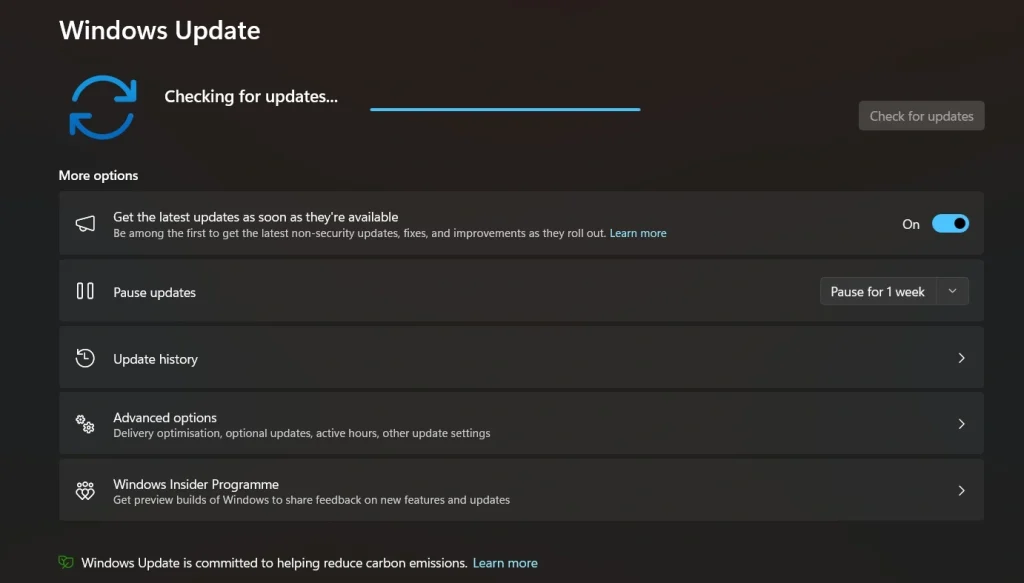
Step 2: After the scan, look for an “Optional Updates” or “Driver Updates” section. Click on it, find your printer driver, check the box next to it, and click “Download and Install.” Restart your computer when prompted to complete the installation.
Method 2: Update Through Device Manager
Device Manager gives you direct control over your hardware and drivers. It is built into Windows and does not require any extra software. This method lets you update a specific device without touching anything else. It is a bit more hands-on than Windows Update. But it is still simple enough for most users.
Device Manager lists every hardware component in your system. Your printer will appear there once it is connected. You can right-click on it and search for updates directly. Windows will look online and install what it finds.
This method is useful when Windows Update misses your printer. It gives you a targeted way to update just one device. It is faster when you already know where to look.
Step 1: Press the Windows key and X at the same time. Select “Device Manager” from the menu that pops up. Look for “Printers” or “Print queues” in the list and click the arrow next to it to expand it. Right-click on your printer’s name.
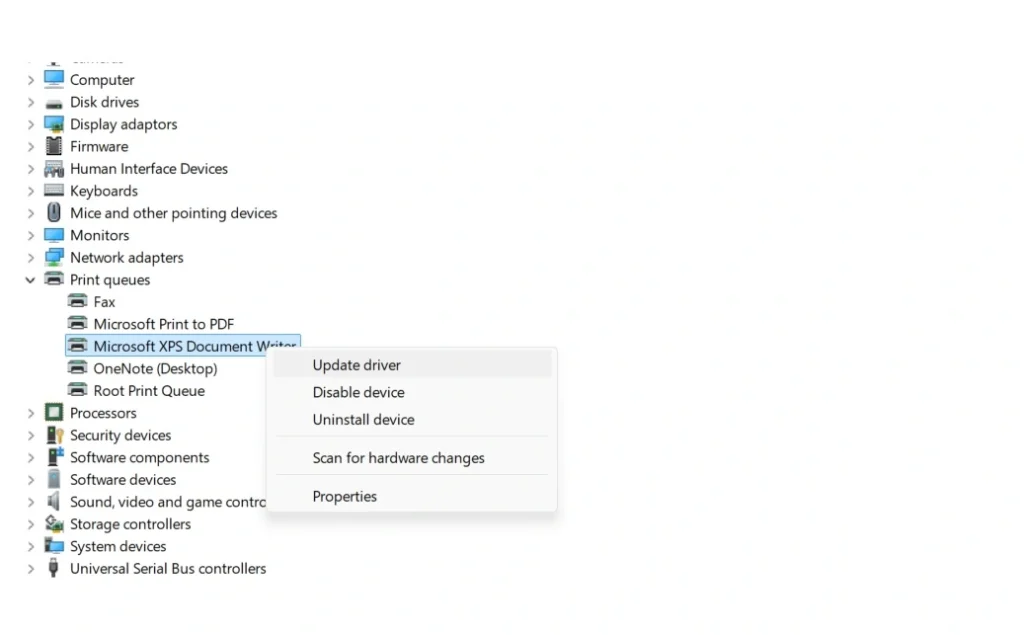
Step 2: Choose “Update driver” from the right-click menu. Then select “Search automatically for drivers.” Windows will search online and install the best available driver. Once done, restart your computer to apply the changes.
Method 3: Download Directly from the Manufacturer’s Website
This is the most reliable method for getting the latest driver. Manufacturers always have the newest versions on their own websites. You are getting the driver straight from the source. This method is especially useful after a major Windows upgrade. It ensures full compatibility between your OS and your printer.
Go to the support or downloads section of your printer brand’s website. You will need your printer model number ready. The site usually has a search bar where you enter your model. It then shows you the right driver for your operating system.
This method takes a few more steps than the others. But it gives you full control over exactly which driver you install. It is the preferred method for advanced users and IT professionals.
Step 1: Visit your printer brand’s support site and search for your printer model. Open the drivers section.
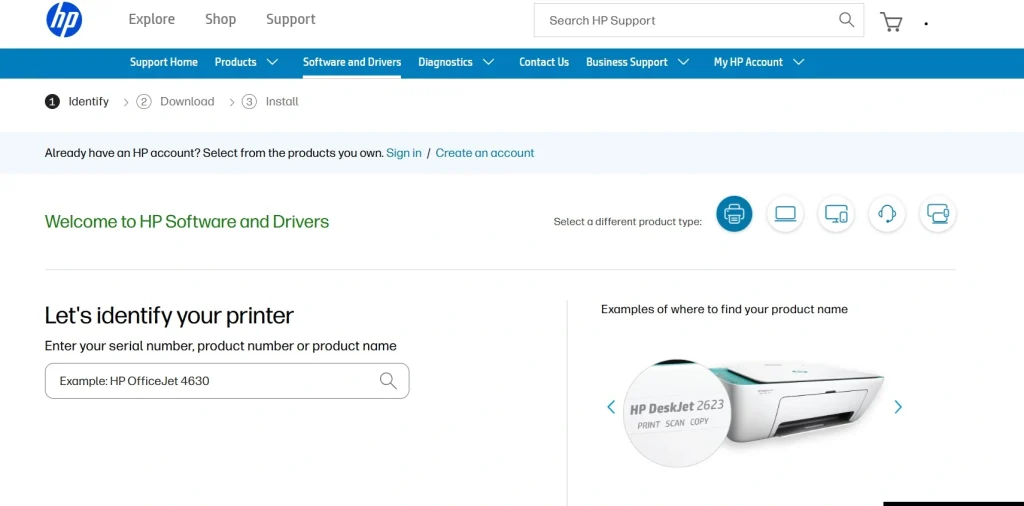
Step 2: Choose your operating system, download the latest driver, run the file, follow the steps, and restart your computer.
Author’s Tip
After years of working with printers and computers, one tip stands above all others. Always create a restore point before updating printer drivers. It takes two minutes. But it can save you hours of trouble if something unexpected happens. Think of it as a safety net.
Also, do not rush the process. Many problems happen because people skip steps or close the installer too early. Let the driver install completely. Do not click anything else while it runs. Patience during installation saves frustration later.
Finally, make it a habit. Set a calendar reminder to check for driver updates every few months. Updating printer drivers should not be something you only do when things break. Regular maintenance keeps your printer performing at its best all the time.
Conclusion
A working printer is something we take for granted until it stops. Most printer problems have a simple fix. Updating printer drivers is that fix more often than not. It is not complicated. It just takes a few minutes and the right steps.
You now know four different ways to do it on Windows. You know the precautions to take. You know why it matters. Whether you use Windows Update, Device Manager, the manufacturer’s website, or brand software, you have everything you need to keep your printer in top shape.
Learning how to update printer driver is a basic skill every computer user should have. It saves money. It saves time. It prevents stress. Use this guide whenever your printer gives you trouble. Share it with someone who is struggling with their printer too.
FAQs
Q1: Is updating printer drivers free?
Yes, updating printer drivers is completely free in almost all cases. Manufacturers release driver updates at no cost. You can download them from official websites, through Windows Update, or through Device Manager without paying anything. Be careful of any third-party sites that charge money for driver downloads. These are almost always scams. Stick to official, trusted sources and you will never pay a cent.
Q2: Do I need to restart my computer after the steps to update the printer driver are complete?
Yes, restarting your computer after completing the how to update printer driver steps is strongly recommended. A restart lets Windows fully load the new driver into the system. Without restarting, the update may not take full effect. Your printer might still show errors or behave the old way. Some installers will prompt you to restart automatically. If they do not, restart manually as soon as the installation is done.
Q3: What if updating printer drivers makes things worse?
This can happen, though it is rare. If the new driver causes more problems than the old one, you can roll it back. Open Device Manager, find your printer, right-click it, and select “Properties.” Go to the “Driver” tab and click “Roll Back Driver” if the option is available. If you created a system restore point before starting, you can also use that to return your system to how it was. Always keep that restore point as your backup plan.
Author Bio:
Dinesh Lakhwani 

Dinesh Lakhwani, the entrepreneurial brain behind “TechCommuters,” achieved big things in the tech world. He started the company to make smart and user-friendly tech solutions. Thanks to his sharp thinking, focus on quality and the motto of never giving up, TechCommuters became a top player in the industry. His commitment to excellence has propelled the company to a leading position in the industry.
Popular Post
Recent Post

Fortect Software Review: The Ultimate PC & Mobile Cleaning, Optimization & Security Tool
Slow computers are a common problem for almost every Windows user. Well, yes! Over time, your PC picks up junk files. These files sit quietly in the background. They take up space and slow things down. Programs open slower. Windows takes longer to boot. Even simple tasks like opening a folder can feel sluggish. There […]
CCleaner PC Optimizer Review: A Complete Guide for Windows Users
If your computer has started to feel slow, you are not alone. Most Windows PCs slow down over time. Junk files pile up. The registry gets messy. Too many apps open when you start your PC. All this adds up and makes even a good machine feel tired. This is where a PC cleaner tool […]
Auslogics Duplicate File Finder: Full Review and User Guide
A computer quietly gathers clutter over time. This includes duplicate photos, repeated downloads, and forgotten backups hiding in random folders. This buildup slowly eats away at storage and can make even a fast PC feel sluggish. Manually finding and deleting duplicates is tedious. It means checking every folder, comparing file names, and guessing which copies […]
CCleaner Duplicate File Finder: Key Features, Pricing, Step-by-Step Guide and More
Every computer collects junk over time. Right? Well, yes! Photos often get copied twice. Documents get saved in two folders by mistake. Old downloads pile up and never get deleted. This slowly eats up your storage space, and most people do not even notice until their drive is almost full. That is where a duplicate […]
Duplicate File Finder Pro: A Complete Review, Everything You Should Know
Computers collect thousands of files over time. Well, yes! Many of them end up being duplicates created by backups, downloads, or accidental copies. These extra files take up valuable storage space and make it harder to keep everything organized. Finding and removing them manually can take hours. Right? Duplicate File Finder Pro is a tool […]
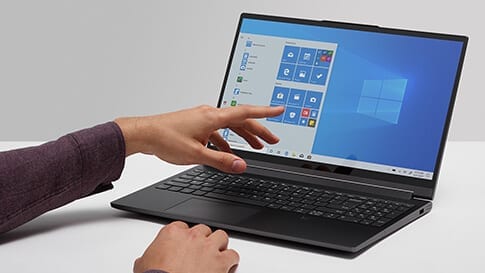
Top 3 Duplicate File Finder for Windows 11 & Windows 10
If your PC storage keeps filling up even after you delete big files, duplicate files could be the real reason. Most of us save the same photo twice, download a document more than once, or copy a whole folder by mistake. Over months and years, these duplicate files pile up quietly. You do not even […]
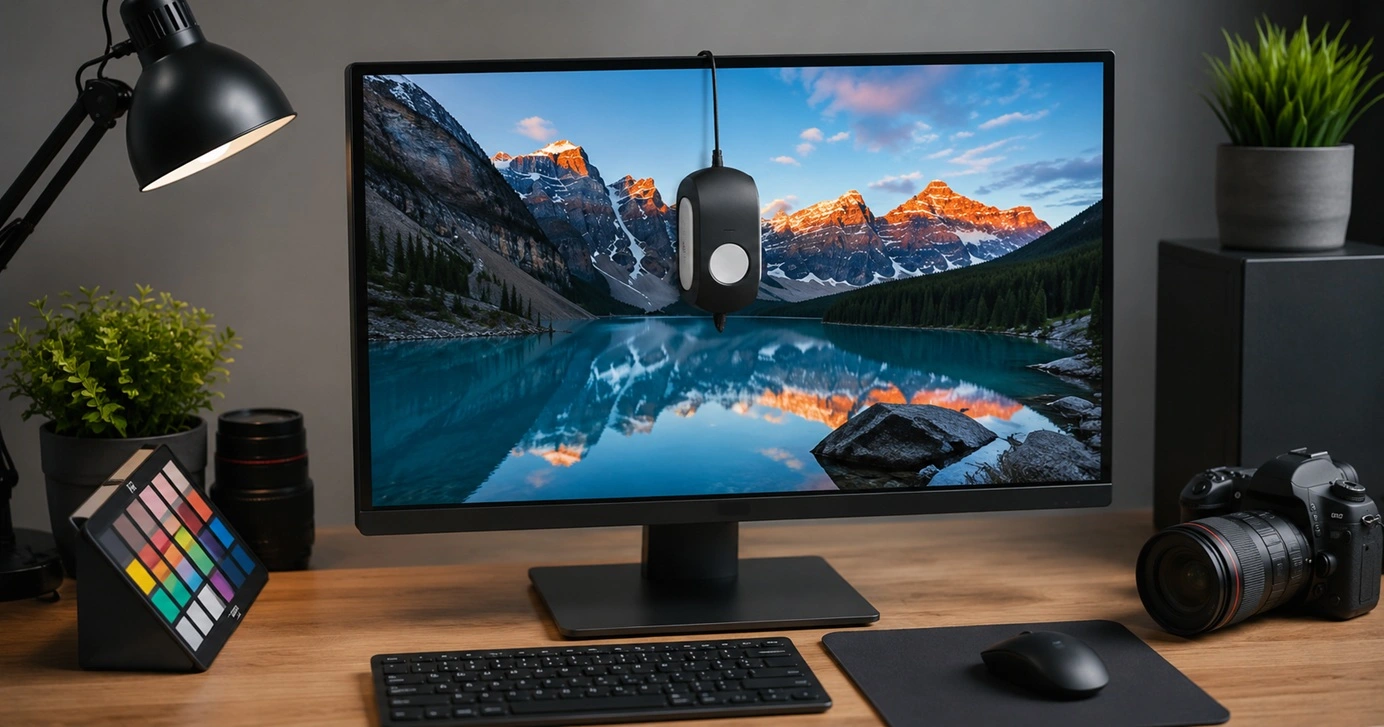
Monitor Screen Calibration Guide: Everything You Should Know
Your monitor shows colors every single day. But are those colors actually correct? Most people never stop to check this. They just use the screen as it comes out of the box. This habit can lead to wrong colors in photos, videos, and work files. Colors may look too warm or too cold without you […]
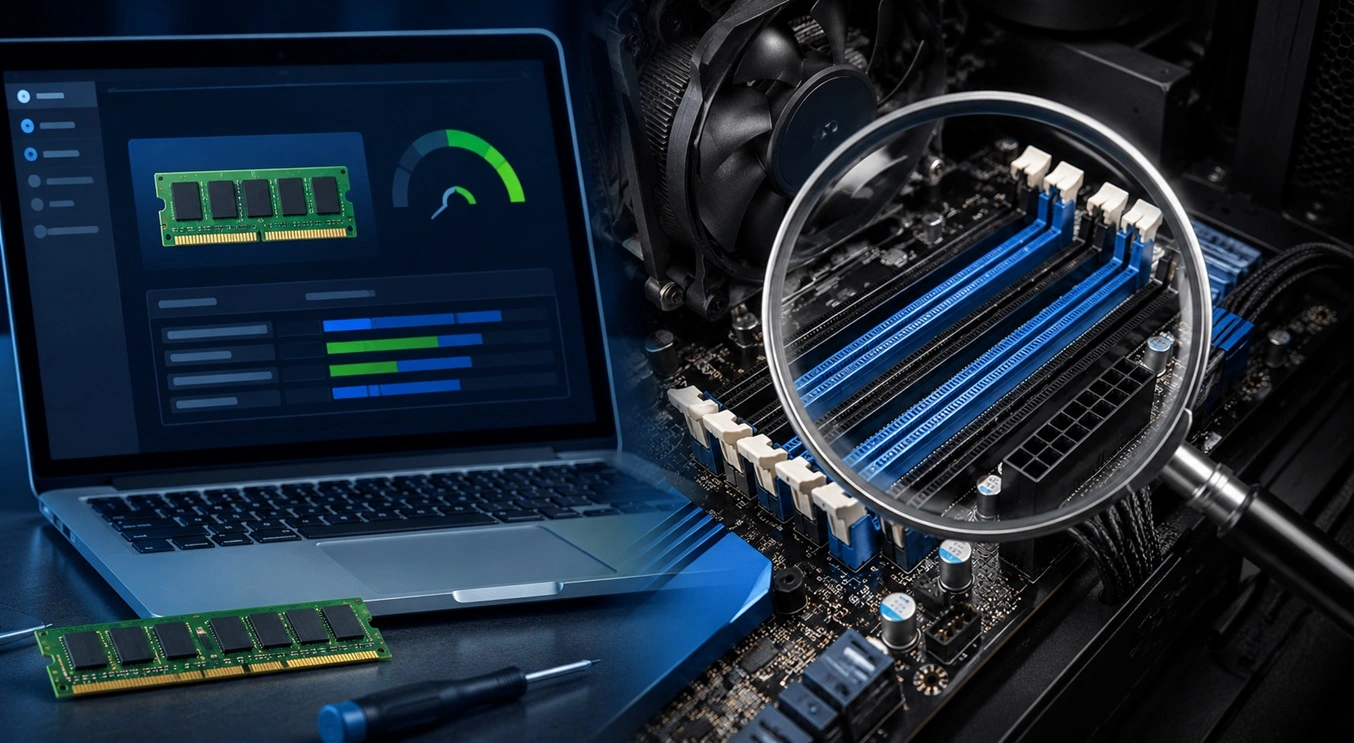
How To Check Installed RAM and RAM Slots [Complete Guide]
RAM plays an important role in how smoothly a computer runs. Short for Random Access Memory, it stores the data and instructions that Windows and active applications need at any given moment. From opening multiple browser tabs to running games and productivity software, RAM helps keep everything responsive. A system with limited memory may experience […]
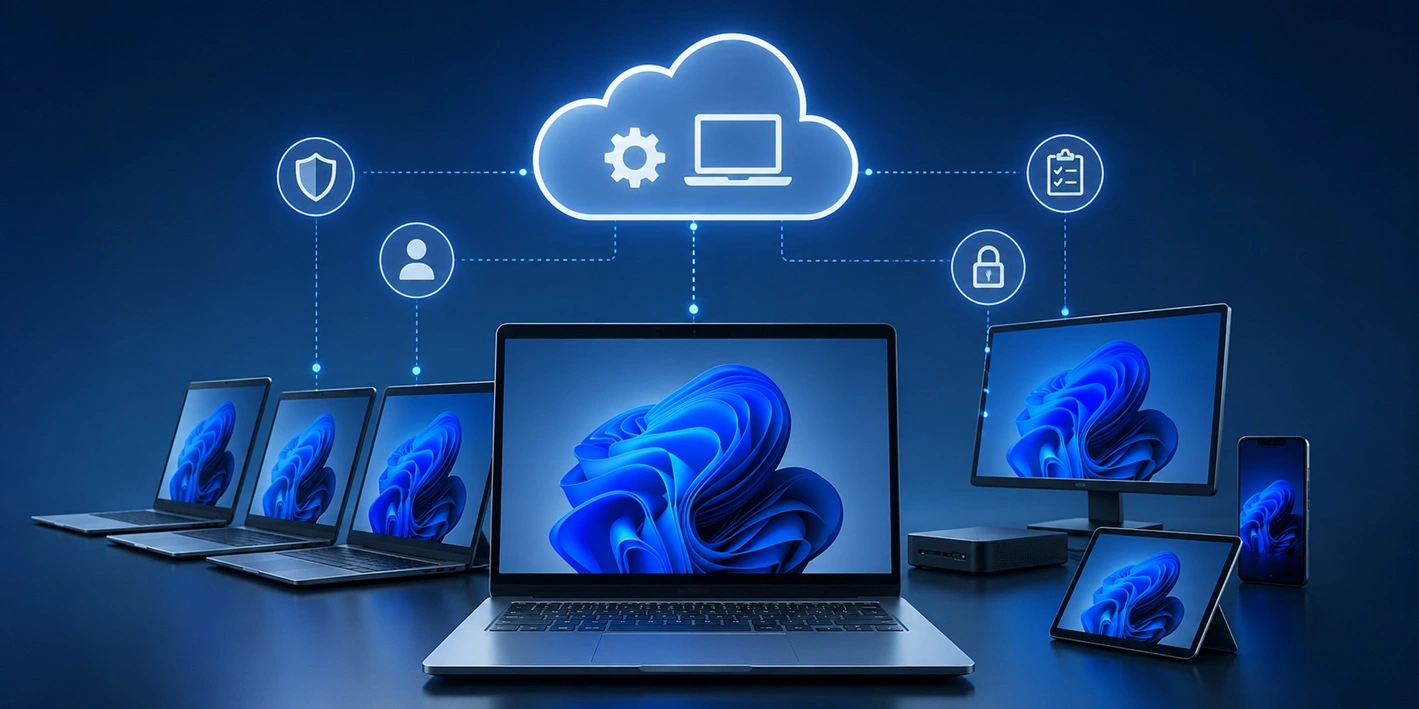
What is Microsoft Autopilot Everything You Need To Know
Technology has changed the way companies manage computers. Well, yes! Employees now work from offices, homes, and remote locations. Setting up devices manually for every worker takes time and effort. It can also create mistakes that slow down productivity. This is where Microsoft Autopilot becomes useful. It helps businesses prepare and deploy Windows devices with […]