




Antivirus is the one kind of software that people think about at only two moments. The first is right after installing it. The second is right after something goes wrong. In between, it runs quietly, and most users never check if it is doing a good job. That silence makes the choice harder. Windows 10 […]
How to Update macOS Software
Apple releases Mac OS updates periodically. These updates help you keep your Mac
more stable and secure, and it brings better performance. These updates not only help you update the operating system, but they also include updates for apps that are part of macOS, such as Safari, iTunes, and more.
Once you receive a notification for a software update, you can pick the time to install the updates or simply select to be reminded the next day. You can also update Mac OS manually in the Software Update pane of System Preferences.
You can visit the App Store to find updates to software you’ve downloaded from the App Store.
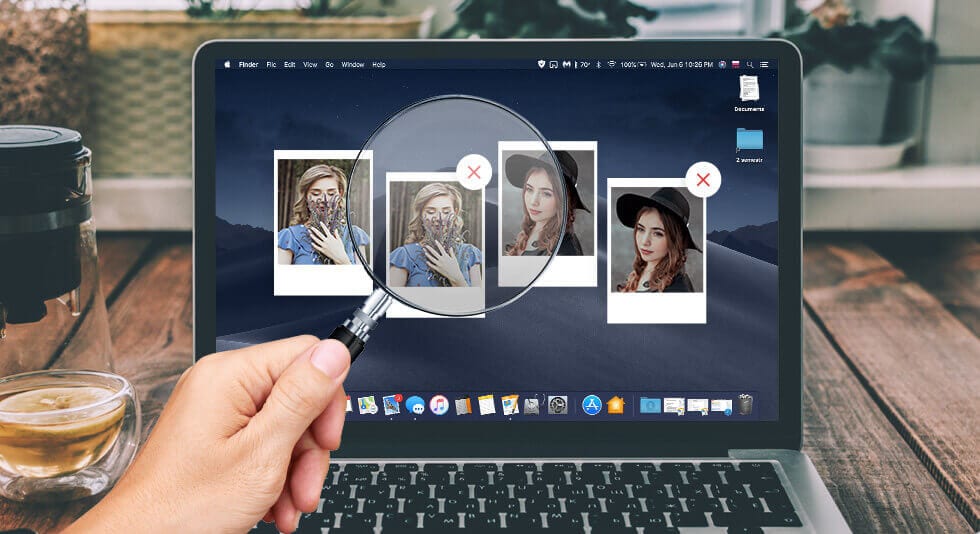
Note: Before you click the update button, you should free up disk storage on your Mac. To do this, you can use advanced Mac cleaner tools like Cleaner One Pro. This smart solution is designed to help you find & clean unnecessary files & applications to recover valuable disk space required for OS upgrade. The best part is Cleaner One Pro is all-in-one Mac disk cleaning software that helps you visualize, manage, and clean disk space in just one click.
How to get updates for macOS Mojave or later
If you have already upgraded to macOS Mojave or later, you need to follow the steps to keep the OS up to date.
- Go to Apple menu > System Preferences, and click Software Update. Alternatively, select Apple menu > About This Mac, then click Software Update.
- Now, to install all available updates, click the Update Now button. If you want to check details of each available update, you can click the More info option. Here, you can choose
Specific updates to install.
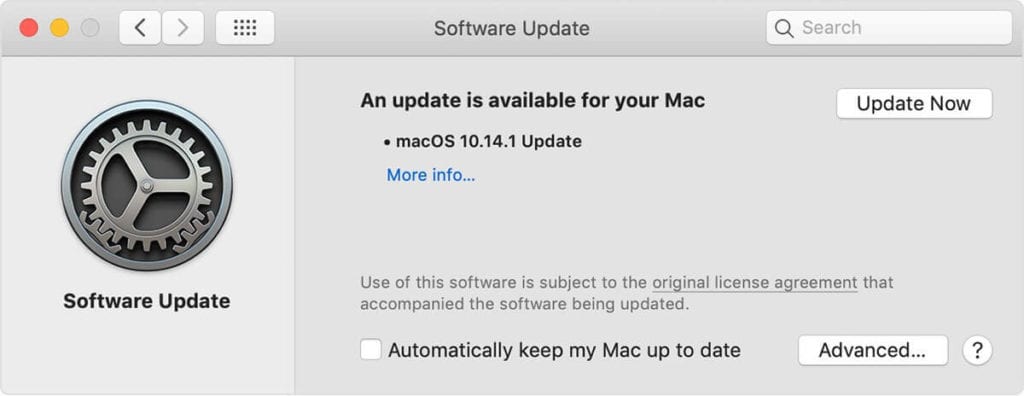
- Once it completes updating the software, you will find a message that your Mac is up to date. It means the installed version of macOS and apps that are part of macOS are updated. These
apps include iTunes, Safari, Messages, Books, Calendar, Mail, Photos, and
FaceTime. - To update software downloaded from the App Store, such as iMovie, Pages, Keynote, GarageBand, and other apps, you need to open the App Store from the Apple menu and select the Updates tab.
Set Mac check for software updates automatically
You can set your Mac to install macOS updates automatically. Here, it will also update apps downloaded from the App Store separately. To do this, follow these steps:
- Go to Apple menu > System
Preferences and select Software Update. - Now choose Automatically keep my Mac up to date.
- Click the Advanced button to set advanced update options. Here, you can
Select any of these options: - Select Check for updates to let
Mac automatically checks for updates. - Select Download new updates
when available to let the Mac install updates without asking. - Select Install macOS updates to
allow the Mac install all available macOS updates automatically. - Select Install app updates from
the App Store to allow the Mac to download app updates from the App Store
automatically. - Select Install system data
files and security updates to allow Mac automatically install system files and
security updates. - Click OK.
To get alal the available updates automatically, you should choose Check for updates, Install
system data files and security updates, and download new updates when available.
Note: If you have MacBookAir, MacBook, or MacBook Pro, then you should keep the power adapter plugged in to download all available updates automatically.
How to get updates for earlier macOS versions
If you are using macOS High Sierra, Sierra, El Capitan, or earlier macOS versions, then follow below mentioned steps to get updates.
- Open the App Store.
- From the App Store toolbar, click
Updates tab.
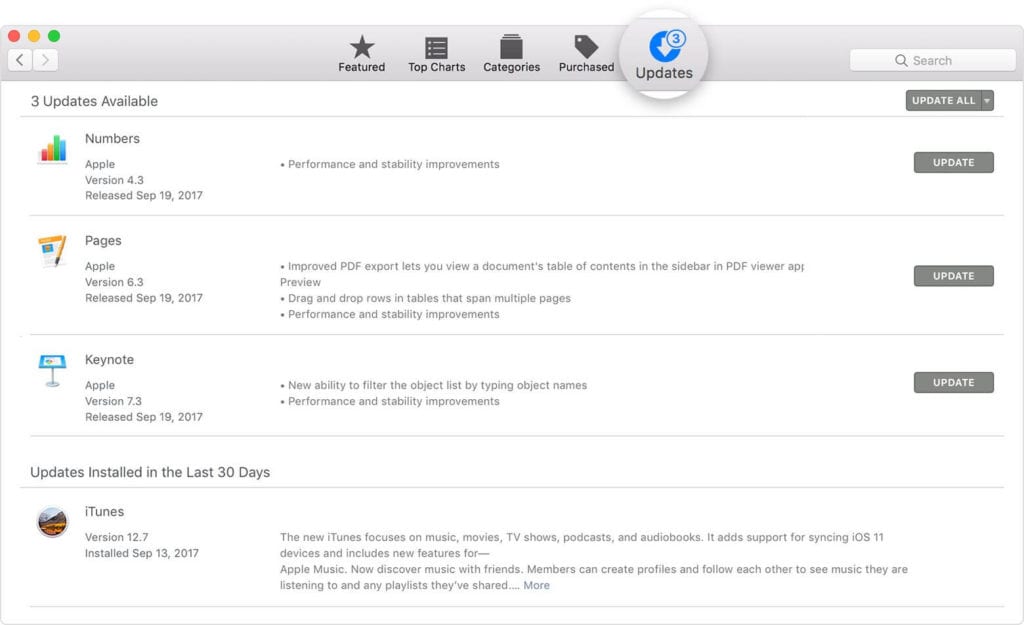
- Now you will find all available
updates listed here. To download any of these updates, click Update button next to it. - Now that App Store says no more
updates are available, the installed version of macOS and all apps that are
part of it are up to date. It includes iTunes, Safari, Mail, Messages,
Calendar, FaceTime, and Photos. You can find later versions by upgrading your
macOS.
If you want to download updates automatically in the future, select Apple menu > System Preferences and select App Store > Download newly available updates in the background. You will be notified when updates are ready to install.
Conclusion
So this was a quick discussion on how to update Mac OS in a few easy steps. Follow these steps to update software on a Mac for better security and performance. You can also expect more stable performance once you have updated your Mac software. Do share your experience in the comments below.
Author Bio:
Dinesh Lakhwani 

Dinesh Lakhwani, the entrepreneurial brain behind “TechCommuters,” achieved big things in the tech world. He started the company to make smart and user-friendly tech solutions. Thanks to his sharp thinking, focus on quality and the motto of never giving up, TechCommuters became a top player in the industry. His commitment to excellence has propelled the company to a leading position in the industry.
Popular Post
Recent Post

Top 5 Lightest Antivirus Software To Protect Your PC
Introduction: Antivirus software helps protect Windows PCs from digital threats. It detects viruses, blocks ransomware, and alerts users about unsafe websites. However, some security tools consume too much RAM and CPU power. This can make everyday tasks feel slow. Older laptops and low-end PCs often face this problem. The computer may take longer to start. […]
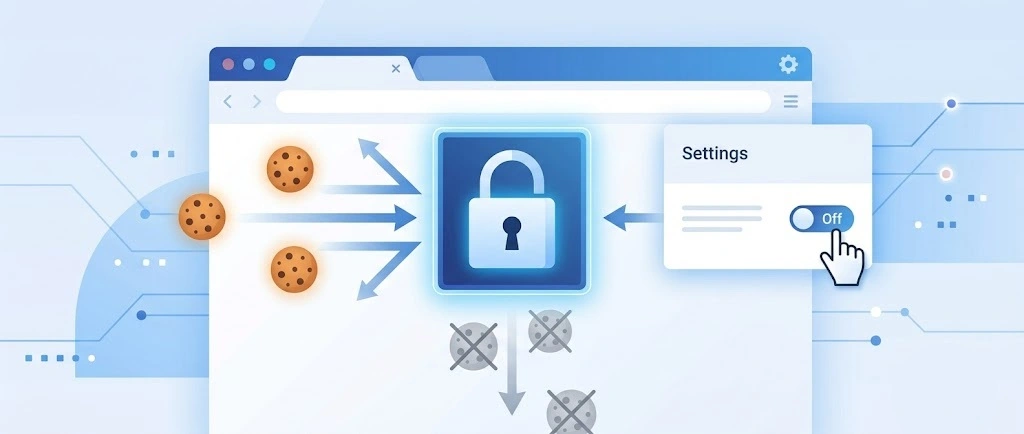
How To Disable Cookies in Browser [Complete Guide]
So, search for a pair of shoes once online. Close the tab. By evening, those same shoes are sitting on your news site, your video app, and even your recipe blog. Nobody placed them there by chance. A cookie did. Well, yes! Cookies are small files that websites place on your device while you browse. […]
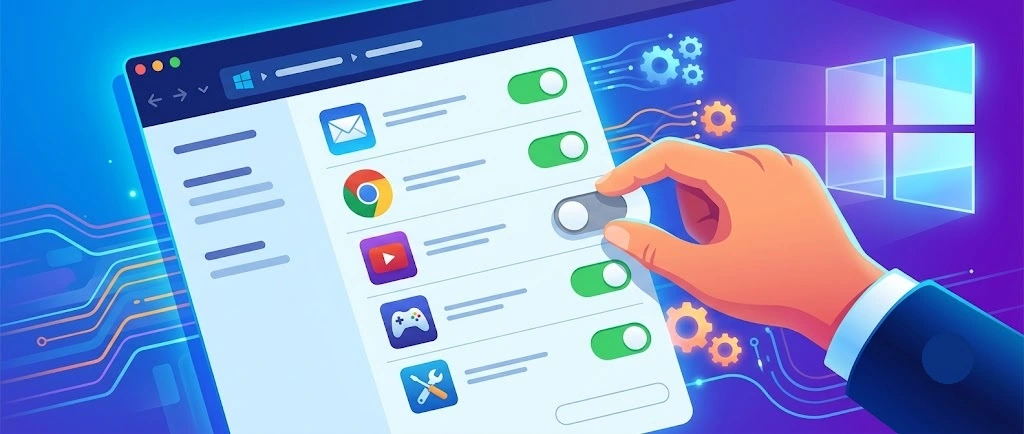
How To Disable Background Apps In Windows: 4 Quick Methods
A slow PC rarely gives a warning. One day, it simply takes longer to start. Apps open late. The fan runs loud, even when the screen is almost empty. Most people blame old hardware. Often, that is not the real reason. The real reason is hiding in plain sight. Windows keeps many apps active in […]
How to Activate Windows with a Product Key for Windows 11 & Windows 10
It always shows up at the worst time. You are halfway through a report, or about to join a video call. Then you spot it in the bottom right corner of the screen. Activate Windows. Go to Settings to activate Windows. Initially, an unactivated copy of Windows may seem like a minor inconvenience. Over time, […]
Is Easy Duplicate Finder Worth It? Honest Review
The photos folder looked normal at first glance. Then the storage warning popped up. One trip photo appeared four times. A tax PDF sat in three different folders. Two old setup files were still in Downloads, and each one was over 500 MB. Nobody plans this mess. Copies pile up slowly. A download runs twice. […]
Wise Duplicate Finder Review: Real Results from Wise Duplicate Finder
Read my honest Wise Duplicate Finder review. See features, pricing, pros and cons, and real PC test results. Find out if this free duplicate cleaner can free up your Windows storage.
How to Recover Deleted Files from Pen drive, USB Drive, SD Card
Introduction: On tech forums, you’ll often see posts like this: “I connected my pen drive to my laptop this morning, but the folder was empty. All my college project files had vanished. I don’t have a backup. Can someone help me?” Stories like this are very common. Pen drives, USB drives and SD cards are […]

How To Recover Files Deleted from the Recycle Bin [Windows 11]
Losing a file can happen in seconds. You clear your desktop, hit Delete, and empty the Recycle Bin. Then, just when you need that file again, it seems to have vanished. This guide will walk you through ways to restore files removed from the Recycle Bin. We will begin with simple fixes, then look at […]
Disk Drill Data Recovery Tool Explained: Full Review and Guide
It happens in a split second. You delete a folder by mistake. Your drive stops showing up. A photo album from your last trip just vanishes. And your stomach drops. Lost files feel personal. They are not just data. They are memories, work hours, and sometimes years of effort packed into a few gigabytes. When […]