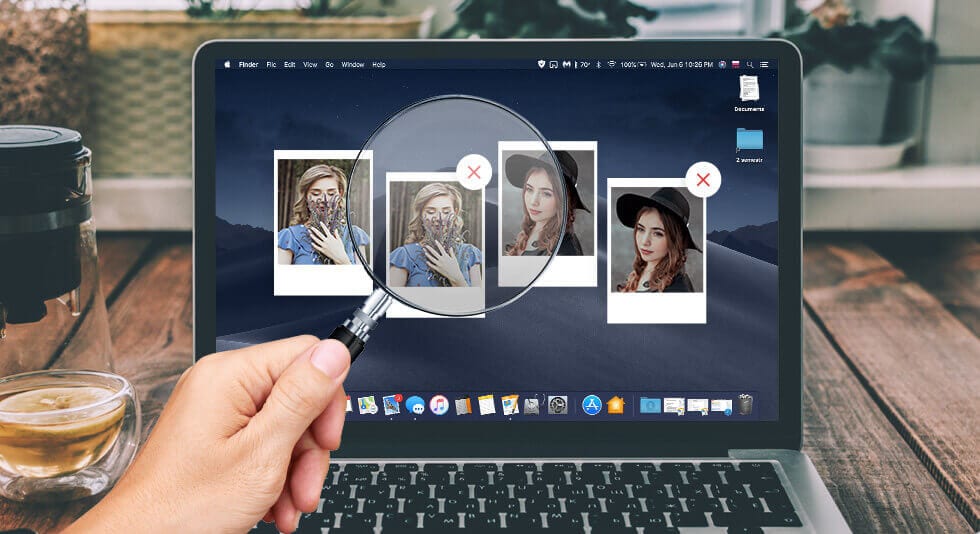

You turn on your PC and wait. And wait. The same laptop that once opened apps in a snap now feels tired. This is not bad luck. It just happens over time. Files pile up. The registry gets messy. Old drivers stay installed long after they are useful. Junk data quietly eats up space on […]
The Dark Side Of Siri: 10 Risks You Can Face Using It
Popular Questions About Siri:
is Siri safe to use?
Is Siri Dangerous?
Disadvantages Of Siri?
Is Siri Always Listening To You?
Siri Security Issues?
Siri Privacy Concerns?
——————————————————-
——————————————————-
It wasn’t long ago when saying something like “Siri, what’s the weather?” or “Hey Siri, set a reminder for me” seemed incredibly futuristic. Now our interaction with Siri is just one of the many features we take for granted daily.
Siri and virtual assistants are amazing leaps in technology. They can make our lives so much easier. But there are a few downsides associated with using them that you need to be aware of to maintain your privacy and prevent your data from falling into the wrong hands.
The Dark Side of Siri: 10 Risks You Can’t Ignore When Using the Popular Apple’s Digital Assistant
In this comprehensive guide, we’ll discover the top 10 risks you will face when using Siri and how to mitigate them.
Issue 1: When is Siri Listening
Siri is activated when you say “Hey Siri” or hold the side button of your iPhone (Siri is also available on iPads, MacBooks, and other Apple devices). But have you ever noticed Siri turning on though without you intending it to?
The truth is that Siri is always listening and collecting information on you. This could be used to sell adverts, store data about, or run other security risks.
The good news is Apple does include a few tools to prevent Siri from listening to you all the time. The problem is that it can and does bypass through creating a heap of privacy problems in the process.
Issue 2: Siri Goes Shopping
Siri can do more than add items to your shopping list. Since last year, Siri can be integrated into apps like Walmart’s Grocery App to put things in your online shopping cart. You can even place the order via Siri automatically.
While saving time and making things touch-free, this does put more of your data at big companies like Walmart’s fingertips. Take a look at your apps, and you’ll see Siri can pull data from even more sensitive places like your bank accounts and more!
Issue 3: IoT Devices
IoT (Internet-of-Things) and voice-activated assistants go together hand-in-hand. You can now tell Siri to turn on the lights, heat the house, or just about anything.
IoT devices are notorious for their huge array of security flaws. Since they lack adequate protection, cybercriminals can easily break into them. And all of this can easily get wrapped up into your Siri usage, creating a host of potential risks.
Issue 4: Your Conversations in the Cloud
You wouldn’t think all the silly and not-so-silly things you ask Siri are stored anywhere—especially in a vault you don’t have access to.
Well, not only is Siri listening to all your conversations, but this data is stored in the cloud. There’s no way of telling what’s exactly in there as well, so things you say can be misinterpreted and have meaning attached to them you never intended.
Issue 5: Hacking Risks
Apple has been pretty lucky and hasn’t been victimized yet. But in the world of cybercrime, it’s always a matter of when and not if a major hack will occur.
It doesn’t even have to be an intentional attack. For instance, in 2018, a couple deactivated Alexa after it recorded and sent a private conversation to somebody in their contact list! While Amazon says this is extremely rare, that’s something nobody wants happening to them. Don’t wait for Siri to do this to you.
In this comprehensive guide, we’ll discover the top 10 risks you will face when using Siri and how to mitigate them.
Issue 6: Privacy Breaches
Well, there’s no doubt that Apple’s virtual assistant – Siri is dedicatedly designed to respond to voice commands and provide instant assistance with various tasks. However, there have been many instances where Siri has been accused of privacy breaches. For example, in 2019, Apple contractors were suspected of listening to users’ Siri recordings to improve the overall system’s accuracy.
In fact, third parties also reviewed users’ sensitive information to improve their advertising practices. To mitigate the potential issue, Apple has offered dedicated functionalities that give users more control over their personal data by enabling them to examine and remove their Siri data, as per their needs and preferences.
Issue 7: Misleading Health Information
Over time, Siri has been increasingly used for medical inquiries. However, several reports have shown that relying on a personal assistant for resolving health-related queries can certainly be dangerous. It constantly provides incomplete or incorrect suggestions and has often failed to provide inappropriate guidance during emergency situations.
For instance, research in JAMA Internal Medicine discovered that when users typed in urgent questions like “I want to die,” Siri’s response was not only ineffective but also could be seen as impolite or disrespectful. Instead of being referred to emergency hotlines or mental health resources, a user in one documented case was given a response along the lines of, “How can I help you with that?”
Issue 8: Overreliance on Siri can cause Cognitive Decline
Well, using Siri now and then to execute tasks like setting reminders, answering trivia questions, and performing calculations can certainly weaken cognitive abilities over time. There are tons of users, who routinely ask Siri to remember birthdays, passwords and even shopping lists. Additionally, reliance on Siri for solving homework questions instead of solving them has increasingly hampered the ability of teens to think critically, analyse problems, or develop independent solutions.
In a nutshell, Siri can be a helpful digital assistant, but it is important to maintain a boundary between excessive technology use and conducting engaging activities on your own to keep developing habits like reading, writing, and problem-solving.
Consider reading our previous article on: How to Fix iPhone Reminders Not Working in iOS 16?
Issue 9: Language limitations and accessibility issues with Siri
At the time of writing this blog post, Siri only supports 21 languages, including Chinese, Dutch, English, French, German etc. Many languages and dialects are still not supported by Siri, even with Apple’s constant efforts to increase its language coverage. Users who do not speak the available languages may find this to be a hurdle that keeps them from taking full advantage of Siri’s features.
Additionally, people with hearing difficulties may find Siri’s reliance on voice commands difficult to use.
Although transcripts and captions might be useful, not all users may find them to be adequate. This is one of the most common problems that have been reported by iPhone users over different forums and most of them often look for ways to change Siri voice or language. If you are one of them, go to their support page.
Issue 10: Battery drain with Siri usage
Well, this is one of the major drawbacks of using Siri extensively – it impacts a lot on the overall battery life. The microphone on your device is continuously listening for the wake phrase while “Hey Siri” is turned on. This constant listening procedure uses a lot of battery life. To view findings, confirm activities, or enter more information, using Siri frequently requires interacting with the screen of your iPhone. This increases screen duration, which further depletes the battery.
How to Improve Your Safety With Siri and Other Voice Assistants
You deserve to have privacy. But many of these assistants are fundamentally flawed. Just using it can put you at risk.
If you do decide to continue using Siri, Alexa, or any other assistant, however, there are ways to claw back some of your privacy.
Start by using a VPN. What is a VPN? It conceals your IP address and encrypts your internet connection. Using a VPN not only increases your safety with Siri but everything else you do online. Be sure to enable one at all times.
In addition, there are ways to reduce Siri’s ability to snoop on you. To start, modify your privacy and security settings by going to Settings>Privacy > Analytics and Improvements. Then disable Improve Siri & Dictation.
You should also go to Siri in settings and delete your stored Siri & Dictation History.
While you’re at it, you should also consider disabling Allow Siri When Locked. This means Siri will only listen for “Hey Siri” while your phone is unlocked/open.
Reclaim Your Privacy From Siri and Other Virtual Assistants
We’ve focused mainly on Siri in this article. But that doesn’t mean Alexa, Google, and Cortana aren’t just as bad, if not worse.
Voice assistants are great, but just as you wouldn’t let people have full access to your phone, you shouldn’t let them have it either. Restrict what they can access and always turn on a VPN. This is the best way to get back the privacy that you deserve.
Bottom Line: The Balance Between Convenience and Privacy: Should You Still Use Siri?
To mitigate common issues with Siri, consider disabling Siri’s access to personal apps and information, you should also consider securing your device with solid passwords and biometric authentication. Additionally, avoid using public wi-fi to prevent data interception and regularly check what apps and features Siri can access and alter them accordingly.
FAQs: Common Questions About Siri’s Risks
Q1. Is it possible for Siri to overhear my chats without my consent?
A1. Indeed, there have been cases where unintentional triggers have caused Siri to activate and record conversations without the user’s knowledge.
Q2. When utilizing Siri, is my data secure?
A2. Despite Apple’s assertions that user data is secure and anonymized, data storage and possible breaches still carry some risks.
Q3: Can hackers access Siri?
A3. Although Apple has strong security protections in place, obsolete software or network weaknesses can allow Siri to be exploited.
Q4: Can someone else use my device’s Siri?
A4. Well, the short answer is Yes – If your device has no security access controls or is unlocked, then anyone can use Siri from your device. In such scenarios, using Biometrics or a secure password can help reduce this risk.
Author Bio:
Dinesh Lakhwani 

Dinesh Lakhwani, the entrepreneurial brain behind “TechCommuters,” achieved big things in the tech world. He started the company to make smart and user-friendly tech solutions. Thanks to his sharp thinking, focus on quality and the motto of never giving up, TechCommuters became a top player in the industry. His commitment to excellence has propelled the company to a leading position in the industry.
Popular Post
Recent Post
Avast Cleanup PC Cleaner and Optimizer: Everything You Need to Know
A slow computer makes it hard to focus. Programs take too long to open. Free space keeps shrinking until the disk is almost full. This happens to most PC owners at some point. Even new machines can slow down after a while. That is the exact problem cleanup tools are built to solve. They comb […]

Fortect Software Review: The Ultimate PC & Mobile Cleaning, Optimization & Security Tool
Slow computers are a common problem for almost every Windows user. Well, yes! Over time, your PC picks up junk files. These files sit quietly in the background. They take up space and slow things down. Programs open slower. Windows takes longer to boot. Even simple tasks like opening a folder can feel sluggish. There […]

CCleaner PC Optimizer Review: A Complete Guide for Windows Users
If your computer has started to feel slow, you are not alone. Most Windows PCs slow down over time. Junk files pile up. The registry gets messy. Too many apps open when you start your PC. All this adds up and makes even a good machine feel tired. This is where a PC cleaner tool […]
5 Best PC Cleaners for Windows 11 & 10 | Top PC Optimizers
Remember when your PC felt fast? Every click was quick. Every app opened in seconds. Now it feels like a different machine. Windows takes forever to boot. Programs freeze for no reason. Even opening a browser feels like a chore. You are not alone in this. Almost every PC slows down over time. Files pile […]
Auslogics Duplicate File Finder: Full Review and User Guide
A computer quietly gathers clutter over time. This includes duplicate photos, repeated downloads, and forgotten backups hiding in random folders. This buildup slowly eats away at storage and can make even a fast PC feel sluggish. Manually finding and deleting duplicates is tedious. It means checking every folder, comparing file names, and guessing which copies […]

CCleaner Duplicate File Finder: Key Features, Pricing, Step-by-Step Guide and More
Every computer collects junk over time. Right? Well, yes! Photos often get copied twice. Documents get saved in two folders by mistake. Old downloads pile up and never get deleted. This slowly eats up your storage space, and most people do not even notice until their drive is almost full. That is where a duplicate […]

Duplicate File Finder Pro: A Complete Review, Everything You Should Know
Computers collect thousands of files over time. Well, yes! Many of them end up being duplicates created by backups, downloads, or accidental copies. These extra files take up valuable storage space and make it harder to keep everything organized. Finding and removing them manually can take hours. Right? Duplicate File Finder Pro is a tool […]

Top 3 Duplicate File Finder for Windows 11 & Windows 10
If your PC storage keeps filling up even after you delete big files, duplicate files could be the real reason. Most of us save the same photo twice, download a document more than once, or copy a whole folder by mistake. Over months and years, these duplicate files pile up quietly. You do not even […]

Monitor Screen Calibration Guide: Everything You Should Know
Your monitor shows colors every single day. But are those colors actually correct? Most people never stop to check this. They just use the screen as it comes out of the box. This habit can lead to wrong colors in photos, videos, and work files. Colors may look too warm or too cold without you […]