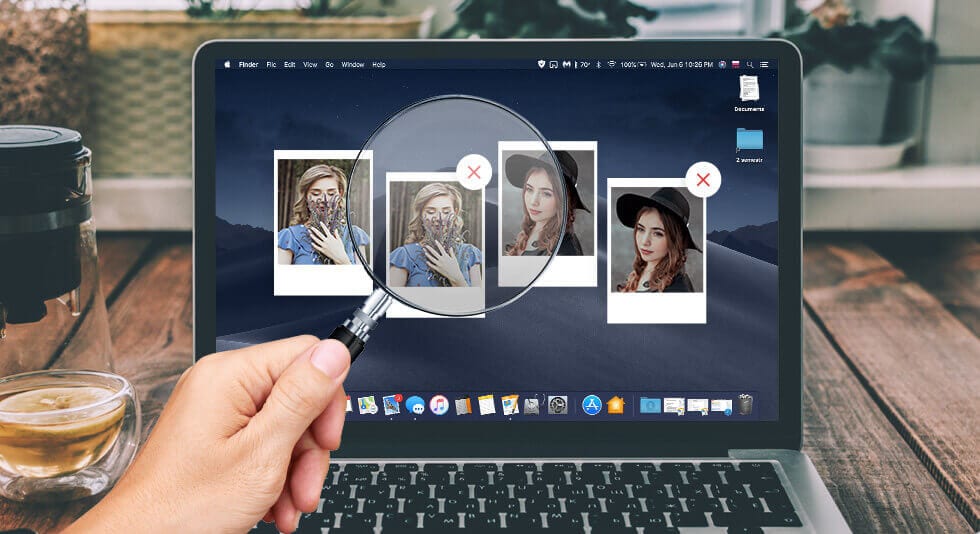

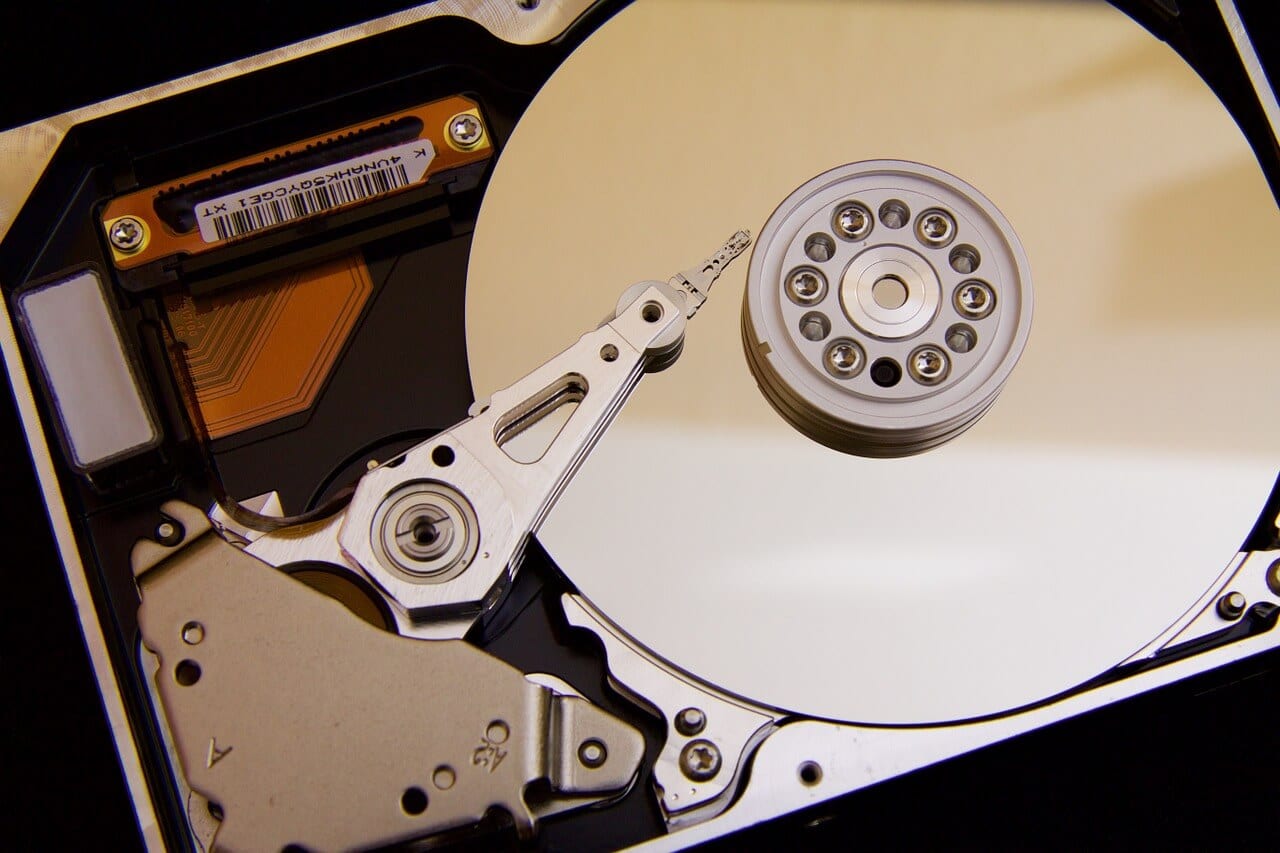
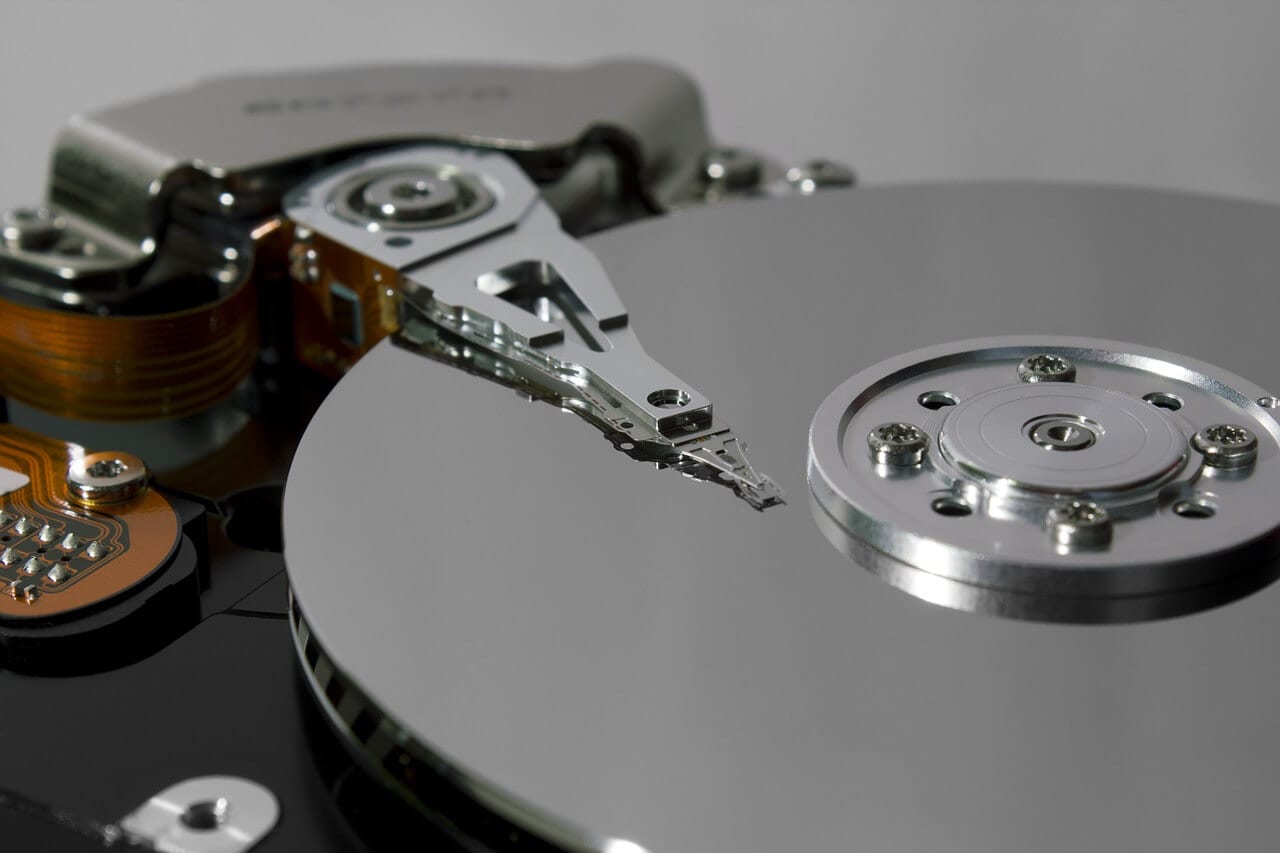
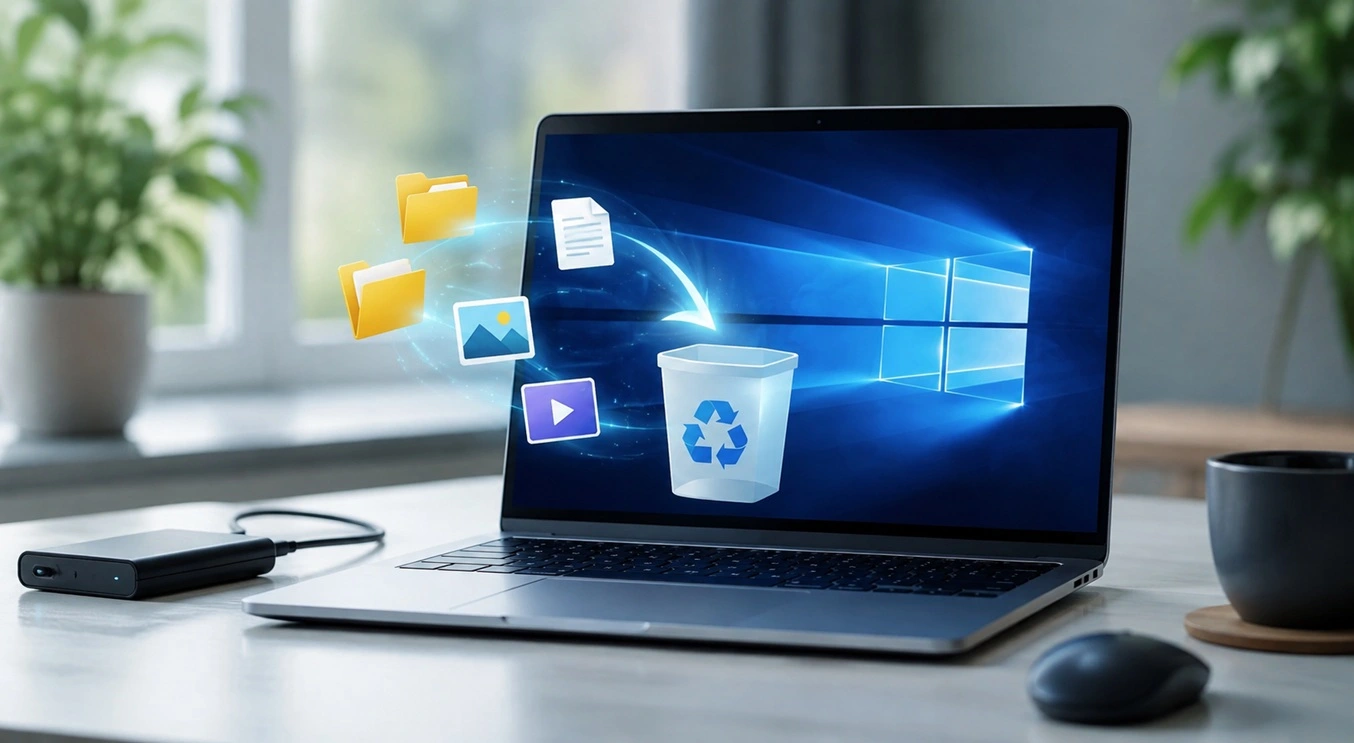
Imagine this. You spend hours perfecting a video project. You hit save. Then your laptop freezes, reboots, and when the screen comes back. The file is gone. Your stomach sinks. It’s not just you. Lost files happen all the time. A dropped hard drive, a bad update, an accidental delete, or a corrupted partition can […]
Hardware VPN vs Software VPN
VPNs mask your internet protocol (IP) address so your online actions are virtually untraceable. – Norton
It creates an encrypted tunnel for your data, and protects your online identity by hiding your IP address. – NordVPN
VPN is an online multi-purpose privacy service that allows you to establish a secure and private connection to another network without compromising your privacy. – TechCommuters
You can check this link here to learn more about VPN and its benefits. We have also covered a detailed list of the best VPN software for 2021. You can check it here.
Coming to the core question, what is the difference between hardware VPN and software VPN, here is more about it:
What is a Software VPN?
A Software VPN is a piece of software that you can download on your device to enjoy different virtual private network features. A software VPN helps you connect your device to a VPN server hosted on-premise or on a third-party facility.
You can use it to establish an encrypted and secure connection between your device and the VPN server. The software VPN’s encryption and protocol help secure your device. It also helps you hide your IP address from the public. Thus, your online activities not only remain hidden, but it also ensure security from hackers and spying attempts.
What is a Hardware VPN?
As the name suggests, a hardware VPN is a dedicated piece of equipment that is designed to provide different VPN functionalities to your device. You can find routers that offer built-in VPN functionalities to protect your network or a dedicated CPU that comes with hardware VPN that encrypts and decrypts the data passing through them. Thus, it reduces the burden on the device it is protecting. It also comes equipped with a secure SSL connection and firewall features to provide complete privacy and security.
Hardware VPN vs Software VPN: Which one to use?
Security
Encryption is an important feature of any VPN service. Here, hardware and software VPN go neck-to-neck. Both are designed to provide privacy with highly secure encryption, such as AES-256 in addition to industrial-standard protocols such as IKEv2 and OpenVPN.
However, security on a software VPN can be compromised depending on a user’s behavior. If you tend to click on random unsecured links or don’t have trusted anti-malware software installed on your device, you’ll probably face security threats online despite using a software VPN.
The best thing about hardware VPN is that these equipment work in a strictly controlled environment. It reduces the online threats coming to your network by reducing the risk of security breaches. Hardware VPN is suggested if security is a high priority for you.
Speed
With a dedicated CPU equipped with hardware VPN, you can expect better speed on it. The speed of software CPN highly depends on the client’s app for encrypting the user-side transmission. If your device runs multiple CPU-intensive apps and it lacks a powerful processor, then you’ll probably face a slower speed on software VPN.
Cost
With hardware VPN, you need to install a complete set of hardware devices. Thus, it is not economical for budget users. Meanwhile, software VPN costs only a fraction of the total cost you would have paid for hardware VPN.
Scalability
Scalability is easier with software VPN as you only need to subscribe for an additional user license. With hardware VPN, you need to buy additional equipment as your team grows.
Conclusion
In addition to these differences, ease of use is another factor that could help determine which VPN type to select. Installing software VPN is much more convenient in comparison to hardware VPN. Now depending on your needs, you can pick one of these options. Don’t forget to share your experience in the comments below.
Dinesh Lakhwani
Author Bio:
Dinesh Lakhwani 

Dinesh Lakhwani, the entrepreneurial brain behind “TechCommuters,” achieved big things in the tech world. He started the company to make smart and user-friendly tech solutions. Thanks to his sharp thinking, focus on quality and the motto of never giving up, TechCommuters became a top player in the industry. His commitment to excellence has propelled the company to a leading position in the industry.
Popular Post
Recent Post
5 Best Data Recovery Software For Windows 11 and Windows 10
A crashed drive can ruin a whole day. One minute your photos, work files, and tax records sit safe on your PC. The next minute they are gone. A power cut, a bad update, or one wrong click can wipe out years of memories and months of work in seconds. That sinking feeling is why […]
How To Update NVIDIA Drivers On Windows 11/10 PC
Learn how to update NVIDIA drivers on Windows 11/10 with simple methods, safety tips, and easy steps for smoother gaming and better PC performance.

Top AI Features Hidden Inside Windows 11
Explore the top AI features in Windows 11, from Copilot to Recall, plus safety tips and simple steps to use each tool the right way.

Customize Your Screen Saver Settings in Windows [Easy Steps]
Learn how to customize screen saver settings in Windows 11 with easy steps, safety tips, and simple tricks to personalize your PC screen.
Driver Easy Windows Driver Updater Tool Review: Tried & Tested
In-depth information about Driver Easy’s functions and features can be found in our review. Learn how to update drivers more easily with this tool for a more seamless computer experience.
Is Avast Driver Updater Worth It? A Hands-On Analysis
A full review of Avast Driver Updater covering features, setup steps, pricing, pros and cons, and real PC results, to help you decide if it is worth buying.
IObit Driver Booster 13 (PRO) Review: [Tried & Tested]
IObit Driver Booster 13 is built for one purpose: keeping your PC drivers up to date. Well, yes! Outdated drivers can cause crashes, slowdowns, and hardware issues. This tool scans fast and updates with one click. The interface is simple. Even beginners can use it without confusion. Updates are pulled from a huge database, covering […]
Auslogics Driver Updater: A Detailed Walkthrough [2026]
This comprehensive review covers the key features, pros, and cons, pricing, and a final verdict on Auslogics’ driver update utility. Learn how it stacks up against manual driver maintenance.
5 Best Driver Updater Tools for Windows to Use (Free and Paid)
Introduction: Most people blame their PC for problems that a driver caused. A driver works like a bridge between your hardware and your operating system. When this bridge cracks, strange things start to happen. Screens flicker without reason. Printers go silent mid-task. Games freeze or crash out of nowhere. Manually finding the right driver is […]