10 Ways To Fix No DP Signal From Your Device Dell Monitor
Last updated on June 22nd, 2024 at 2:50 am
Introduction:
Experiencing the dreaded “No DP Signal from your device Dell monitor” can be a frustrating ordeal, halting your productivity or entertainment plans. Fear not, as there are effective solutions to tackle this vexing problem.
In this comprehensive guide, we’ll explore ten practical ways to troubleshoot and resolve the “No DP Signal” error on your Dell monitor. These step-by-step solutions will help you get your display back up and running in no time, ensuring a seamless and uninterrupted computing experience.
What is a DisplayPort?
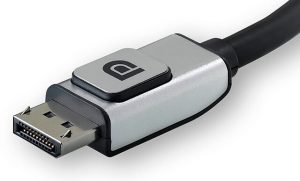
DisplayPort (DP), an interface crafted by the Video Electronics Standards Association (VESA), serves as a digital display connection. Its purpose is to link a video source, such as a computer, to a display device, such as a monitor. With the capability to transmit both audio and video signals, DisplayPort facilitates high bandwidth transfers and delivers uncompressed audio and video.
What Causes the No DP Signal From Your Device Dell Monitor Error?
Some common causes for DisplayPort not working properly on a Windows PC include loose cable connections, outdated drivers, graphics card issues, incorrect display settings, and hardware malfunctions. When using a Dell monitor specifically, you may encounter the ‘No DP Signal from your device’ error message if there is a problem with the DP connection.
In this article, we will provide 10 effective solutions to fix the ‘No DP Signal from your device’ error on a Dell monitor.
How to Fix the No DP Signal From Your Device Dell Monitor Error?
Following proper troubleshooting steps can help identify and resolve the underlying cause, restoring full DP functionality.
1. Unplug and Reconnect the DisplayPort Cable
One of the first things to try when there is no DisplayPort signal is to simply unplug the DP cable from both the monitor and PC, wait a few seconds, and then reconnect it properly. This resets the connection and establishes a fresh link between the video source and the display.
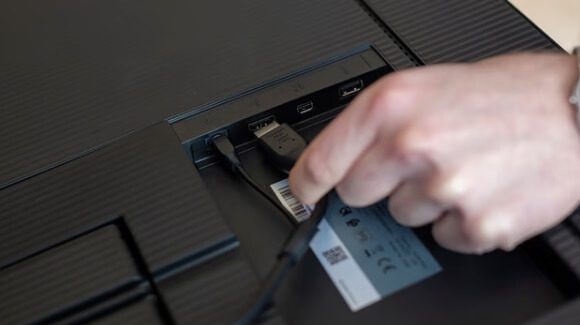
Make sure both ends of the cable are inserted completely into the DP ports on the monitor and graphics card. A loose connection can cause signal issues. While reconnecting, also check the cable for any wear, cuts, or bends that may be interrupting the transmission. If there’s damage to the cable, swap it out for a fresh replacement.
2. Restart Your Devices
Restarting the monitor and the connected Windows PC/laptop can help resolve temporary glitches that may be interfering with DisplayPort’s operation.
Power off both devices completely, unplug the power cables and wait 30 seconds before reconnecting. Then, switch them back on and check if the DP signal is now transmitting properly. Running through a reboot helps reset any software or hardware errors that may be causing the problem.
Follow these steps to correctly restart the devices:
- Save any open files and close all programs on the PC before restarting.
- Use the Start Menu > Power options to shut down the computer.
- Disconnect the power and DP cables from both the monitor and PC.
- Wait for 30 seconds minimum to allow hardware discharge.
- Reconnect the power and DP cables properly at both ends.
- Switch on the monitor power and then boot up the PC.
- On monitor OSD, select DisplayPort as the video input source.
3. Use a Different DisplayPort Cable
Faulty cables are one of the most common reasons for DisplayPort connectivity issues. If restarting does not work, try replacing the existing DP cable with a different one known to be working properly. Make sure it is a certified DisplayPort cable. Also, test connecting the monitor to another PC/laptop if available to isolate the fault.
Things to check when using a different DisplayPort cable:
- Confirm both cable ends are DisplayPort, not HDMI or other ports.
- Inspect the cable thoroughly for cuts, fraying, or bent pins.
- Ensure a secure connection when inserting cable at both ends.
- Verify if the cable is DisplayPort certified for high resolutions and refresh rates.
- Test cable with different monitors and PCs to isolate any device faults.
- Check DisplayPort source settings if connecting a new external display device.
If the monitor now receives a DP signal from another cable or device, it indicates the problem lies with the previous cable or video source device. However, if the same No DP signal from your device Dell monitor error persists, then the monitor’s DP input port itself may be faulty.
4. Update the Dell Monitor Drivers
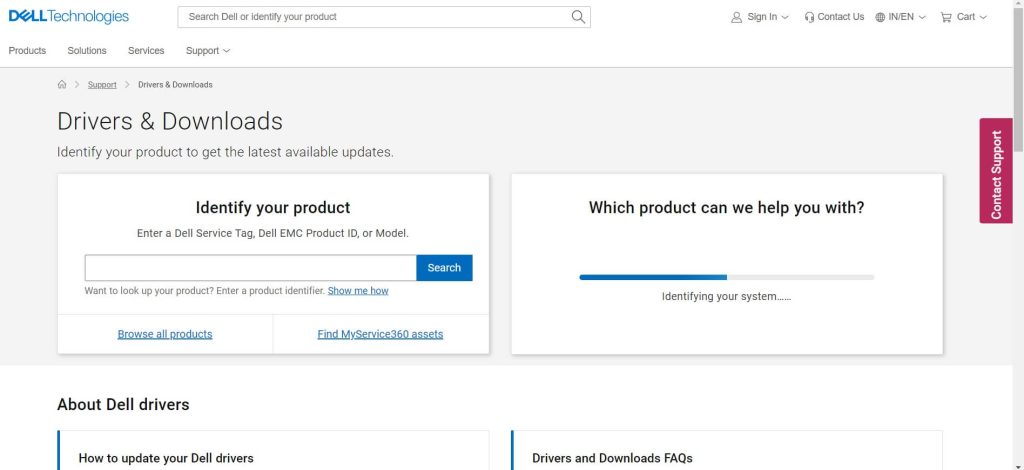
Outdated monitor drivers can sometimes lead to various problems including display connectivity errors. Visit the Dell website and check if there is a newer driver available for your specific Dell monitor model. Download and install the latest driver version following the provided instructions. This will update the monitor firmware and ensure optimal performance.
Follow these best practices when updating monitor drivers:
- Note the current driver version before updating for reference.
- Only download drivers from the official Dell website for your monitor model.
- Read release notes for a new driver before installing.
- Disconnect all cables from the monitor before the driver updates.
- Have the monitor directly connected to the PC/laptop, not through a dock.
- Allow sufficient time for driver installation without interrupting.
- Restart monitor and PC after successful driver update.
Also, update the graphics card drivers on your computer to the latest release from Nvidia or AMD. Driver incompatibility issues between the monitor and GPU can affect DisplayPort signal detection.
5. Clear Display Cache
Clearing the display cache and data removes any corrupted files that may be interfering with the DisplayPort operation.
On Windows, open the Run dialog box (Windows + R) and enter “Devmgmt.msc”. In the Device Manager window, expand the Display Adapters section, right-click on your GPU, and select Uninstall device. Check the option to delete driver software as well. Reboot your PC and fresh display drivers will automatically reinstall, clearing up any inconsistencies.
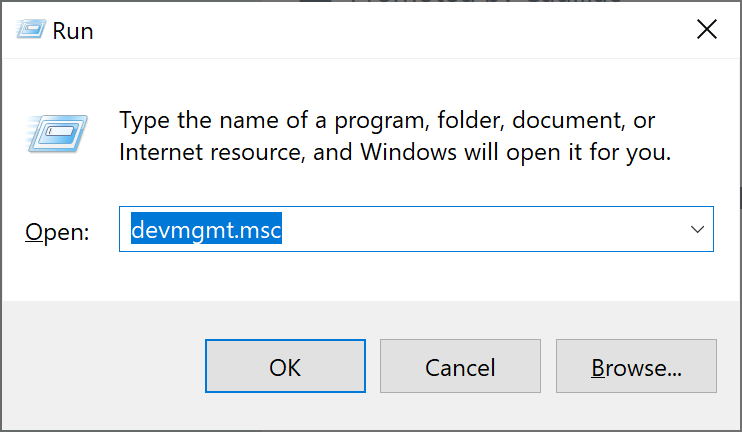
Here are some additional steps to help clear the display driver cache:
- Use dedicated display driver uninstaller software to completely remove GPU drivers.
- In Safe Mode, run the DISM and sfc /scannow commands to repair system files.
- Update Windows to the latest version if pending updates are available.
- Reset Windows display settings to defaults.
- Remove duplicate display entries in Device Manager.
- Turn off Fast Startup and Hibernation to perform complete shutdowns.
6. Select the Correct Input Source
Modern monitors allow you to connect multiple input sources like HDMI, DVI, and DisplayPort at the same time. If you have connected devices using different ports, ensure that the monitor’s input source is set to the port you want to use.
Most Dell monitors feature an Input Select button to toggle between available video inputs. Press it to choose the correct DP input that your PC/laptop is connected to. The monitor OSD menu also has an Input Source option to switch between inputs.
7. Update Graphics Driver
The graphics card driver plays an important role in establishing proper communication and signal connectivity between the GPU and monitor. An outdated graphics driver can easily lead to loss of DP signal issues. Here are the steps to update graphics drivers on Windows:
- Right-click on the Windows button and select “Device Manager” from the menu that appears.
- In Device Manager, find and expand the “Display adapters” category. This will display your graphics card.
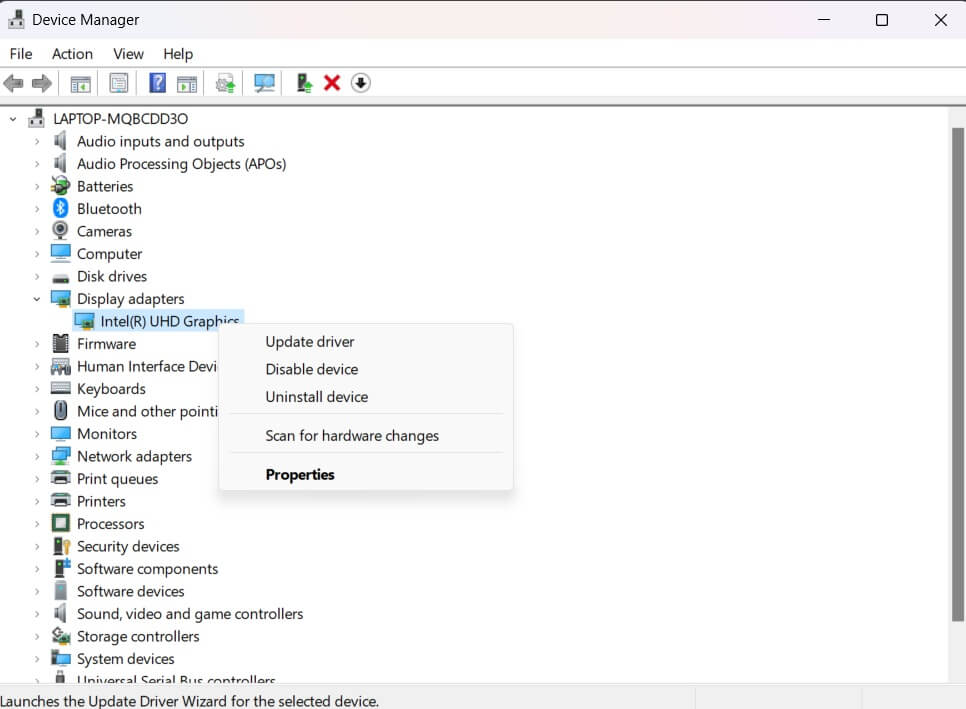
- Right-click on your graphics card and select “Update driver.
- Choose the option that allows Windows to search automatically for updated driver software. Windows will then search online for the latest driver software and install it if found.
After the driver update is complete, it’s a good idea to restart your computer to ensure the changes take effect.
8. Roll Back Graphics Driver
If updating the graphic drivers did not help, the new driver itself may be causing problems. In such cases, rolling back to the previous graphics driver is worth a try.
On Windows, go to Device Manager > Display adapters, right-click on GPU, and select Properties > Driver tab. Click on Roll Back Driver to revert the driver and see if it solves your DisplayPort signal problem as a result.
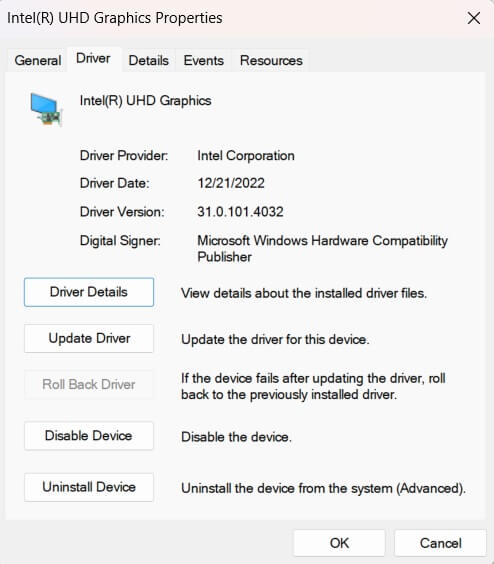
Here are some additional tips for rolling back display drivers:
- First, use DDU to fully remove the latest display driver and install the older driver cleanly.
- In Device Manager, click on View > Show hidden devices to expose all adapters.
- If the Roll Back option is grayed out, uninstall the driver and Scan for hardware changes.
- You can also restore to a system restore point created before updating the driver.
9. Test with a Different Monitor
Connect a different monitor to your computer or connect your Dell monitor to another device. This helps determine if the issue is with the monitor or the device’s output.
Try connecting your Dell monitor to a different device, such as another computer, laptop, gaming console, or any compatible device. Ensure you use the same type of connection (DisplayPort) to test.
If your Dell monitor successfully displays content from the alternate device, it suggests that the monitor itself is functioning correctly.
10. Contact Dell Customer Service
At this point, if you still have not resolved the ‘No DP Signal from your device’ error, it is best to contact Dell support regarding the issue. Explain exactly when and how the problem started occurring, the troubleshooting steps attempted, and the laptop/PC/monitor models involved.
Dell support can provide specialized guidance, diagnose hardware faults if any, and arrange for replacement parts or repairs if needed. They can confirm if the issue lies with the monitor specifically and not your PC or cable. Direct support from the manufacturer will help address stubborn DP signal problems.
Here are some tips for contacting Dell customer support:
- Check the service and support section on the Dell website for contact options.
- Have your Dell monitor service tag number handy for reference.
- Clearly describe the issue and troubleshooting steps taken so far.
- Request remote assistance to share your screen and demonstrate the problem.
- If hardware diagnosis is required, discuss carry-in or on-site support.
- Request a replacement monitor if a hardware failure is confirmed.
Conclusion
The blank screen No DP Signal from your device Dell monitor error can certainly be frustrating. However, as seen above, there are various effective troubleshooting steps you can take to identify and resolve the underlying issue. Following proper cable connection protocols, updating drivers, trying different hardware combinations, and directly contacting Dell support will help get your DisplayPort working again on time.
FAQs:
Q1. Why am I suddenly getting no DisplayPort signal on my Dell monitor?
Some common reasons are loose DisplayPort cable connection, faulty or damaged DP cable, outdated graphics drivers, incorrect display settings, GPU or monitor hardware issues, and incompatibility between the video source and display unit.
Q2. Does DisplayPort support audio signal transfer?
Yes, DisplayPort carries both high-definition video and audio signals via the same cable. It can support multi-channel compressed or uncompressed audio transmission.
Q3. Which cable should I use for DisplayPort – HDMI or DP?
Always use a dedicated DisplayPort (DP) cable for connecting DisplayPort-equipped devices. HDMI cables are designed for HDMI ports only and will not work.
Q4. My Dell monitor shows power but no DisplayPort signal.
Try unplugging and reconnecting the DP cable properly at both ends, updating your graphics card drivers, using a different DP cable, directly connecting to your laptop/PC to rule out cable issues, and resetting BIOS settings to default.
Author Bio:
Dinesh Lakhwani 

Dinesh Lakhwani, the entrepreneurial brain behind “TechCommuters,” achieved big things in the tech world. He started the company to make smart and user-friendly tech solutions. Thanks to his sharp thinking, focus on quality and the motto of never giving up, TechCommuters became a top player in the industry. His commitment to excellence has propelled the company to a leading position in the industry.
Popular Post



Recent Post
How to Switch Windows 10 to a Local Account: Complete Guide
Windows 10 allows users to sign in with either a Microsoft account or a local account. When you set up a new computer, the system often suggests using a Microsoft account. This account connects your device to Microsoft services such as Outlook, OneDrive, and the Microsoft Store. It also syncs settings, themes, and passwords across […]
How To Change Default Apps For File Types In Windows
Windows is designed to make using your computer easy. One way it does this is by assigning default apps to different file types. This means when you open a file, Windows automatically opens it with a specific program. For example, photos may open with Photos, music with Groove Music, and PDFs with Edge. These default […]
How To Adjust The Mouse Pointer Speed: Complete Guide
Using a computer every day means you use the mouse a lot. The mouse pointer moves on the screen and helps you click, scroll, and select items. Many people never think about the speed of the mouse pointer. They have used the default setting for years. This can cause small problems over time. A slow […]
How to Change Mouse Scrolling Settings In Windows
A mouse is one of the most used computer tools. People use it every day. They scroll through emails. They scroll through documents. They scroll through websites and images. The movement becomes automatic. Most users do not notice it. That is why problems often go unnoticed. Scrolling problems show up slowly. At first, it feels […]
Keyboard Light Settings: Keyboard Lighting Control [Complete Guide]
Keyboards are no longer simple typing tools. Well, yes! Over time, they have evolved to include features that improve comfort, visibility, and overall experience. One of the most useful features today is keyboard lighting. It helps users work comfortably in low-light conditions. It also reduces strain when typing for long hours. Many users first notice […]
Customizing Pointer Appearance: Complete Guide
The way your mouse pointer looks on your computer may seem like a small detail. But customizing pointer appearance can make using your PC more comfortable and visually appealing. Many users do not realize that they can change the pointer size, color, and style to fit their needs. Whether you want a bigger pointer for […]
How To Choose a Computer Monitor: Monitor Buying Guide
Buying a monitor looks easy. Many people think all screens are the same. That belief causes regret later. A monitor is not just a display. It is a daily tool. You read on it. You work on it. You relax with it. Small problems become big over time. Poor brightness hurts eyes. Bad size causes […]
How To Get Help With File Explorer in Windows 11 [Complete Guide]
File Explorer is one of the most important tools in Windows 11. It is used to open folders, view files, and manage stored data. Almost every action on a Windows computer depends on it in some way. When users open documents, save downloads, or organize photos, File Explorer is always involved. Because it is used […]
How To Fix A Frozen Computer: Complete Guide [Windows 11/10]
A frozen computer is one of the most common problems Windows users face. The screen stops responding. The mouse pointer does not move. Keyboard inputs do nothing. You may hear the fan running loudly. Sometimes the system looks alive, but nothing works. This situation often happens when you are busy or working on something important. […]
How to Upgrade Computer RAM: Complete Guide
Upgrading RAM is one of the simplest ways to improve a computer. It helps the system feel faster and smoother. Apps open quicker. Browsers handle more tabs. Games and tools run with less delay. Many users search for how to upgrade computer RAM because it gives real results without high cost. You do not need […]