



Read my honest Wise Duplicate Finder review. See features, pricing, pros and cons, and real PC test results. Find out if this free duplicate cleaner can free up your Windows storage.
Adjusting Audio Output Settings: Complete Guide [2026]
Sound is part of almost everything we do on a computer. It lets you watch videos, join calls, play music, and hear alerts. When the audio stops working the right way, it can interrupt both work and daily use. That is why adjusting audio output settings matters for every user.
Many people get unsure when they open sound settings for the first time. There are several options, and each one controls a different part of the audio. The good part is that you do not need technical skills to handle them. With simple steps and a bit of patience, adjusting audio output settings becomes easy to manage.
It also helps to know that each device works in its own way. Headphones, speakers, and Bluetooth devices do not use the same setup. Learning how to switch between them can prevent common sound problems. This guide explains everything in a clear and simple manner.
By the end, you will feel more comfortable managing your sound output. You will also know how to avoid common mistakes and get better audio without any trouble.
Important Precautions Before You Change Audio Settings
Before making any changes, it is important to follow a few basic precautions. These steps help prevent errors and ensure your system remains stable. Even small changes can affect sound output, so careful action is always better.
- Check your hardware first
Always confirm that your speakers or headphones are properly connected. A loose cable can cause no sound or poor quality. - Confirm the correct device is selected
Your system may choose another device by default. Make sure the correct output device is active. - Avoid changing too many settings at once
If you change several options together, it becomes hard to find the problem later. - Keep volume at a safe level
High volume can harm your hearing and damage speakers. Increase volume slowly. - Install drivers from trusted sources only
Incorrect drivers can break audio features. Always download from official websites. - Restart your system after major changes
Some settings only work after a restart. Skipping this step can cause confusion. - Check application-level sound settings
Apps like browsers or media players may have their own controls. These can override system settings. - Create a system restore point
This allows you to return to a safe state if something goes wrong.
Common Audio Questions Users Often Search
1. Why is my sound coming from the wrong device?
This happens when your system selects a different default output device. For example, it may switch to a monitor speaker instead of headphones. You can fix this by opening sound settings and choosing the correct device. This is one of the most common reasons people start adjusting audio output settings.
2. Why is my volume low even at full level?
Low sound can be caused by multiple factors. Some apps have their own volume controls, which may be set low. Audio enhancements or balance settings may also reduce output. Checking all these areas helps solve the issue quickly.
3. Can audio settings improve sound quality?
Yes, they can improve or reduce sound quality. Features like spatial sound, format settings, and enhancements affect clarity. Properly adjusting audio output settings helps you get better sound from your device.
4. Do I need to update audio drivers regularly?
You only need to update drivers when there is a problem or after a major system update. Frequent updates without reason can create new issues. Always update carefully and only when required.
5 Quick Methods to Adjust Audio Output Settings on Windows 11
Windows 11 provides several simple ways to manage sound output. Each method is useful in different situations. Some are quick fixes, while others give more control. Learning these methods will help you handle almost any sound issue.
Method 1: Using Quick Settings Panel
This is the fastest way to change audio output. It is useful when you switch between headphones and speakers. The panel is easy to access and works well for quick changes.
The Quick Settings panel shows basic sound options. You can adjust volume and select output devices here. It saves time because you do not need to open the full settings. This method is best for daily use. It is simple and does not require technical knowledge. Most users rely on this option for quick fixes.
Step 1: Click on the sound icon on the taskbar.
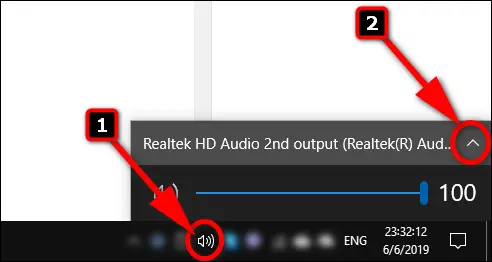
Step 2: Select your preferred output device from the list.
Method 2: Using Windows Settings
This method gives more control over sound options. It is helpful when you need detailed adjustments. You can manage multiple devices and change advanced settings.
The Settings app allows you to view all connected devices. You can also set a default device and adjust sound levels. It is a complete solution for most users.
This method is ideal when basic options do not work. It provides deeper control for better results.
Step 1: Open Settings and go to System, then Sound.
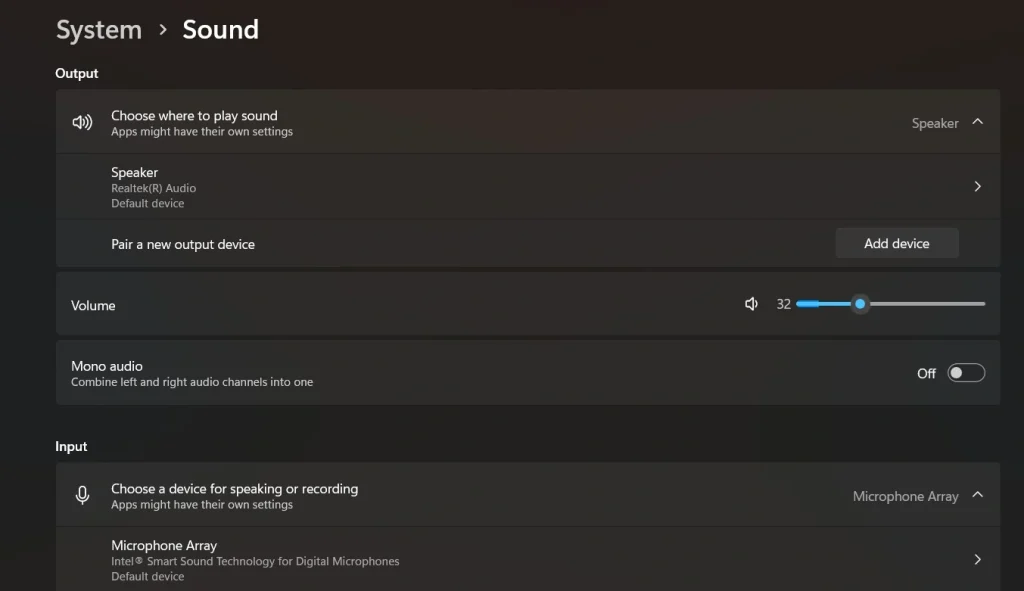
Step 2: Choose your output device and adjust its properties.
Method 3: Using Control Panel
The Control Panel is a traditional way to manage sound. It offers advanced options that are not always visible in modern settings.
You can manage playback devices in detail here. It also allows you to test sound and set defaults.
This method is useful for troubleshooting. It gives access to deeper controls for experienced users.
Step 1: Open the Control Panel and click on Sound.
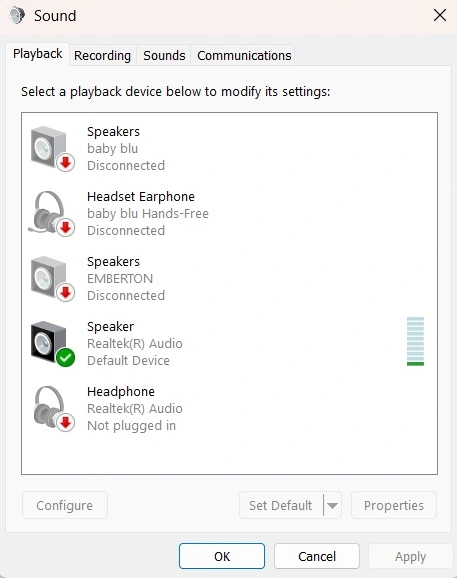
Step 2: Select the playback device and set it as the default.
Method 4: Using Device Manager
Device Manager helps you manage drivers. It is useful when sound problems are related to hardware or software conflicts.
You can update, disable, or reinstall audio drivers here. This helps fix issues caused by outdated drivers.
This method should be used carefully. Incorrect changes may affect system performance.
Step 1: Open Device Manager and find Sound devices.
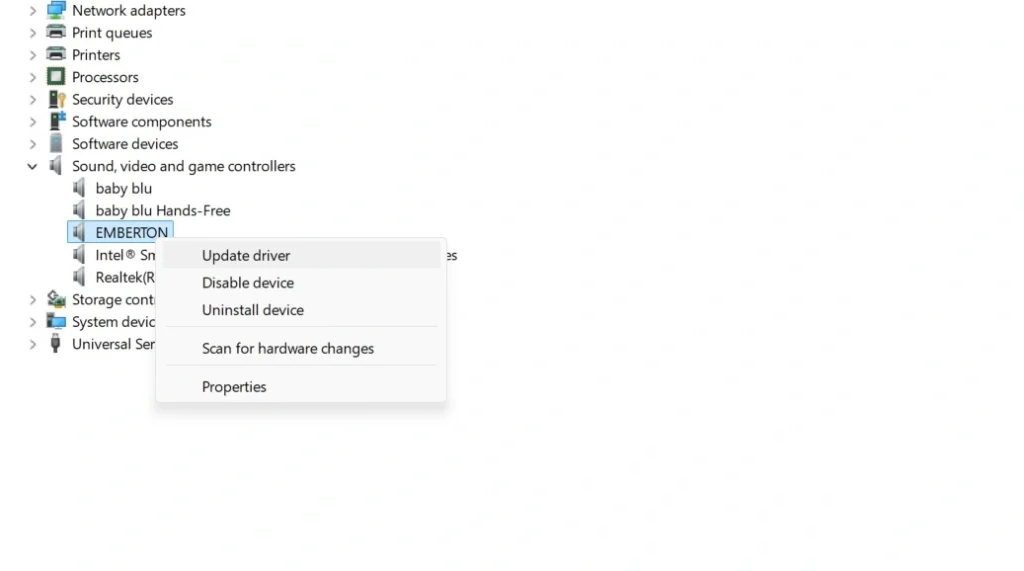
Step 2: Right-click your device and update or reinstall the driver.
Method 5: Using App-Specific Settings
Some applications control audio separately. This includes browsers, media players, and communication tools.
If sound is not working in one app, the issue may be inside that app. Checking its settings can solve the problem.
This method helps when the system sound works, but the app sound does not.
Step 1: Open the app and go to its settings menu.
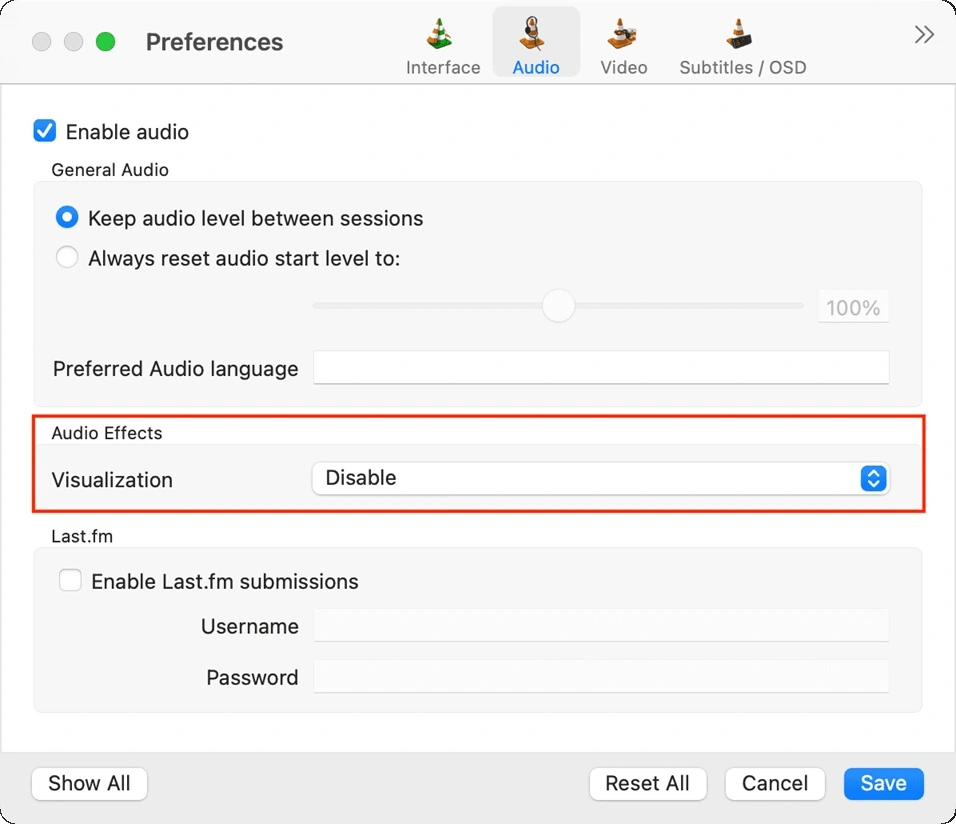
Step 2: Select the correct output device inside the app.
Author’s Tip
Always start with the simplest solution. Many users jump to complex fixes without checking basic settings. In most cases, the problem is small and easy to fix. Checking the selected device and volume levels can save time. It also prevents unnecessary changes that may create new issues.
Another useful habit is to test your sound after every change. Do not apply multiple fixes at once. This makes it difficult to understand what worked. Keep your system updated, but avoid installing drivers without reason. Careful and steady adjusting audio output settings will always give better results than random changes.
Also, keep your devices clean and well-maintained. Dust or loose connections can affect sound quality. If you use Bluetooth devices, ensure they are properly paired. Small details like these often make a big difference in everyday use.
Conclusion
Managing sound settings may seem difficult at first, but it becomes simple with practice. Once you understand the basic options, you can fix most problems on your own. Windows 11 provides many tools that make this process easier. You only need to know where to look and what to change.
By following the methods explained in this guide, you can handle different sound issues with confidence. Each method serves a purpose, from quick fixes to advanced control. Adjusting audio output settings is not just about fixing problems. It also helps improve your overall experience.
With the right approach, you can enjoy clear and balanced sound every day. Take your time, follow the steps, and avoid rushing through changes. A careful method always gives the best results.
FAQs:
1. How do I reset audio settings in Windows 11?
You can reset audio settings by removing and reinstalling your audio device through Device Manager. Open Device Manager, find your sound device, and uninstall it. After that, restart your system so Windows can install the driver again automatically. This process restores default settings and often fixes common sound issues caused by adjusting audio output settings.
2. Why does my audio device keep changing?
Your audio device may keep changing when multiple devices are connected to your system. Windows sometimes switches to a newly connected device automatically, such as Bluetooth headphones or external speakers. You can fix this by selecting a default output device in sound settings. This ensures your preferred device stays active while adjusting audio output settings.
3. Can Bluetooth affect audio quality?
Yes, Bluetooth can affect audio quality compared to wired connections. Wireless signals may face interference from other devices or walls. Distance from the source also plays a role in sound clarity. Keeping your Bluetooth device close and fully charged helps maintain better performance while adjusting audio output settings.
Author Bio:
Dinesh Lakhwani 

Dinesh Lakhwani, the entrepreneurial brain behind “TechCommuters,” achieved big things in the tech world. He started the company to make smart and user-friendly tech solutions. Thanks to his sharp thinking, focus on quality and the motto of never giving up, TechCommuters became a top player in the industry. His commitment to excellence has propelled the company to a leading position in the industry.
Popular Post
Recent Post
How to Recover Deleted Files from Pen drive, USB Drive, SD Card
Introduction: On tech forums, you’ll often see posts like this: “I connected my pen drive to my laptop this morning, but the folder was empty. All my college project files had vanished. I don’t have a backup. Can someone help me?” Stories like this are very common. Pen drives, USB drives and SD cards are […]

How To Recover Files Deleted from the Recycle Bin [Windows 11]
Losing a file can happen in seconds. You clear your desktop, hit Delete, and empty the Recycle Bin. Then, just when you need that file again, it seems to have vanished. This guide will walk you through ways to restore files removed from the Recycle Bin. We will begin with simple fixes, then look at […]
Disk Drill Data Recovery Tool Explained: Full Review and Guide
It happens in a split second. You delete a folder by mistake. Your drive stops showing up. A photo album from your last trip just vanishes. And your stomach drops. Lost files feel personal. They are not just data. They are memories, work hours, and sometimes years of effort packed into a few gigabytes. When […]
Recover Deleted Files In Windows 11 With Software & Without
Introduction What is the first thing that goes through your mind the second an important file vanishes from a Windows 11 PC? For most people, it is a mix of panic and disbelief, followed by a frantic click through every folder that file could possibly be hiding in. It happens in a split second: one […]
EaseUS Data Recovery Wizard: Everything To Know
Data loss does not always come from a big disaster either. Most cases start small and boring. A drive gets formatted by mistake. A laptop freezes mid-save and restarts on its own. A memory card stops showing up after being pulled out too fast. None of these feel like emergencies at first, until you realize […]

Recuva Data Recovery Tool: Is it Actually Worth it?
When I first tried Recuva Data Recovery, I wanted to see if it could really bring back lost files. The tool is free, small in size, and promises quick recovery, which made me curious enough to test it on my own PC. The setup was fast, and the wizard guided me step by step. I […]

GetData Recover My Files Data Recovery Tool: Honest Review
A hard drive error brings a special kind of silence. Well, yes! The screen freezes, then a message appears saying the drive can’t be found or must be formatted. In that moment, years of photos and work files feel at risk. It never happens at a good time. Coffee spills near a laptop, a memory […]
Windows File Recovery: A Complete Review [Tried & Tested]
Imagine this. You spend hours perfecting a video project. You hit save. Then your laptop freezes, reboots, and when the screen comes back. The file is gone. Your stomach sinks. It’s not just you. Lost files happen all the time. A dropped hard drive, a bad update, an accidental delete, or a corrupted partition can […]

5 Best Data Recovery Software For Windows 11 and Windows 10
Introduction: A crashed drive can ruin a whole day. One minute your photos, work files, and tax records sit safe on your PC. The next minute they are gone. A power cut, a bad update, or one wrong click can wipe out years of memories and months of work in seconds. That sinking feeling is […]