





A computer quietly gathers clutter over time. This includes duplicate photos, repeated downloads, and forgotten backups hiding in random folders. This buildup slowly eats away at storage and can make even a fast PC feel sluggish. Manually finding and deleting duplicates is tedious. It means checking every folder, comparing file names, and guessing which copies […]
Keyboard Light Settings: Keyboard Lighting Control [Complete Guide]
Keyboards are no longer simple typing tools. Well, yes! Over time, they have evolved to include features that improve comfort, visibility, and overall experience. One of the most useful features today is keyboard lighting. It helps users work comfortably in low-light conditions. It also reduces strain when typing for long hours.
Many users first notice keyboard lighting when working late at night. Dim rooms make it hard to see keys clearly. Lighting under the keys solves this problem. It gives better visibility without needing an extra lamp. This is where keyboard light settings play an important role.
Lighting is now common across laptops and external keyboards. Students, office users, writers, and gamers all benefit from it. When adjusted properly, lighting helps maintain focus. It also keeps typing smoothly and accurately.
Understanding how lighting works is important. It helps users avoid discomfort and unnecessary battery drain. Proper control turns lighting into a helpful feature rather than a distraction.
Popular Keyboard Lighting Doubts Among Users
Why does my keyboard light turn off automatically?
Keyboard lights often turn off because power-saving features are active. Many laptops and keyboards are designed to save battery when there is no typing for some time. When the system detects inactivity, it reduces or turns off the lights. Some devices also lower the lighting when battery levels drop. You can usually change this behavior in system or keyboard settings.
Can lighting damage the keyboard?
Normal keyboard lighting does not damage the keyboard. LEDs are built to handle regular use over long periods. Problems usually occur only when brightness is kept at the maximum level all the time. Very high brightness can slowly reduce LED lifespan. Using medium brightness is safe and helps the lighting last longer.
Do all laptops support keyboard lighting?
No, not all laptops support keyboard lighting. This feature depends on the laptop model and price range. Many budget laptops do not include backlit keyboards. Some models also include the hardware, but keep it disabled in certain regions. Checking the keyboard icon or product specifications confirms support.
Is RGB lighting useful for work?
RGB lighting is usually not ideal for work environments. Bright colors and moving effects can distract attention and reduce focus. Simple colors like white or soft warm tones work better for reading and typing. For professional use, static lighting helps maintain comfort and productivity over long hours.
Part 1: Understanding Keyboard Lighting Basics

Keyboard lighting refers to small lights placed beneath or around the keys. These lights illuminate letters and symbols. This makes typing easier in dark or poorly lit rooms.
Some keyboards use basic lighting. This usually means a single color, often white. It is designed mainly for clarity. Other keyboards offer advanced lighting. These may include multiple colors, patterns, and effects.
Lighting technology differs by keyboard type. Laptop keyboards often have limited options. External keyboards usually provide more control. Knowing your device helps you understand what is possible.
Keyboard lighting is powered by LEDs. These lights consume little power. However, high brightness levels can still affect battery life. This is why learning to adjust keyboard light settings properly matters.
Part 2: Importance of Keyboard Lighting for Daily Use
Keyboard lighting is more than just a visual feature. It plays a key role in making typing easier and more comfortable. In low-light or dark environments, illuminated keys help users see letters clearly. This reduces mistakes and improves typing accuracy.
For many, keyboard lighting also adds a sense of focus and reduces eye strain during long sessions.
Lighting is useful for different types of users. Students, professionals, writers, and gamers all benefit from it in various ways. Even small adjustments in brightness or color can make a big difference. Understanding its importance helps users make the most of keyboard light settings and keyboard lighting control.
- Improves typing accuracy
When keys are clearly visible, errors are reduced. This is especially helpful in dimly lit rooms or at night. - Reduces eye strain
Soft lighting balances the contrast between screen and keyboard. This prevents eye fatigue during long typing sessions. - Supports night-time work
Users can work comfortably without turning on bright room lights. This avoids disturbing others while working late. - Helps users with vision difficulty
Even gentle lighting makes letters more readable. It improves accessibility for people with weak eyesight. - Enhances focus and productivity
Lighting draws attention to keys without being distracting. This helps maintain concentration on tasks. - Provides aesthetic comfort
Soft, well-adjusted light creates a calm and organized work environment, which feels pleasant while typing. - Reduces errors in professional tasks
For office work, coding, or writing, proper visibility ensures that important documents remain error-free and clean.
Part 3: Types of Keyboard Lighting Systems
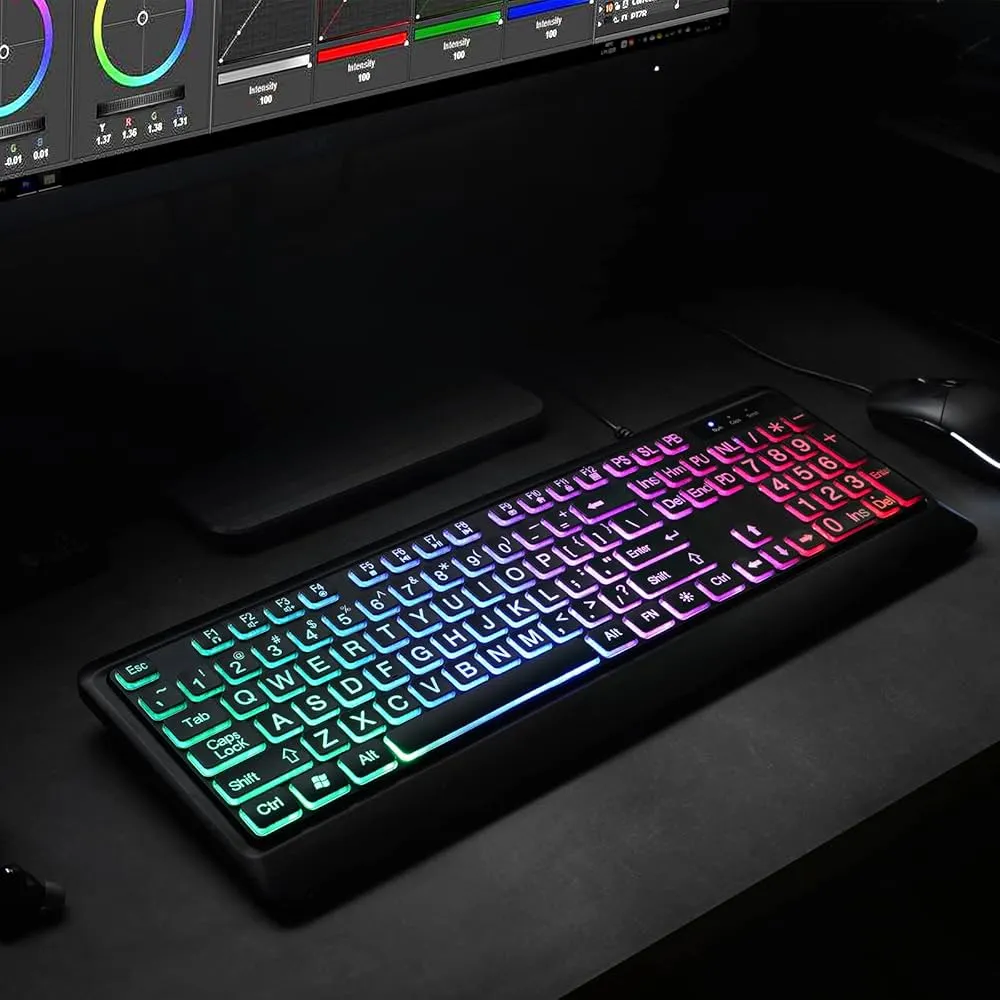
Keyboard lighting systems vary widely, depending on the keyboard type and brand. These lights are not only functional but also add style and customization. Choosing the right lighting system can improve typing comfort and make work or gaming more enjoyable. Knowing the differences helps users understand what options are available for their keyboards.
Lighting types range from basic single-color LEDs to advanced RGB setups. Each type has its advantages and limitations. Some focus purely on visibility, while others offer full customization and interactive effects. Understanding the types of keyboard lighting systems makes it easier to adjust keyboard light settings and keyboard lighting control effectively.
- Single-color lighting
This is the most basic type, usually using white or soft blue light. It improves visibility in dark environments and is energy-efficient. Most laptops and budget keyboards use this system. - Multi-color lighting
This system allows users to switch between a few fixed colors. It adds a personal touch without being too complex. Multi-color lighting is often found in mid-range keyboards. - RGB lighting
RGB lighting provides full color customization. Each key can display different colors, and patterns like breathing, waves, or reactive typing are possible. This system is popular among gamers and creative professionals. - Dynamic or reactive lighting
Some keyboards respond to typing or software activity. Keys can change color when pressed or react to certain applications. This adds a visual effect while typing or gaming. - Zone-based lighting
Keys are divided into zones, and each zone can have a different color. This helps highlight important keys for work or gaming and reduces distractions. - Adjustable brightness levels
Many keyboards allow multiple brightness levels. Users can choose a soft glow for night use or a brighter light for clarity in darker environments.
Part 4: How Keyboard Light Settings Are Managed

Keyboard light settings allow users to change how lights behave. This includes brightness, on and off states, and timing.
On laptops, lighting is often controlled using function keys. Pressing a specific key combination cycles brightness levels. Some laptops allow only limited adjustments.
External keyboards usually come with dedicated software. This software allows deep customization. Users can create profiles for different tasks.
Operating systems also influence settings. Updates may change how lighting behaves. Understanding keyboard light settings helps avoid confusion after updates.
Part 5: Keyboard Lighting Control Features Explained
Keyboard lighting control refers to managing all lighting aspects. This includes brightness, color selection, and effects.
Some keyboards support automatic lighting. Lights turn off after inactivity. This saves power and extends LED life.
Advanced control options allow application-based lighting. For example, lights change based on active software. This feature is helpful for professionals.
Good keyboard lighting control focuses on comfort first. Excessive effects may look appealing. However, they often distract during work.
Part 6: Keyboard Backlight Settings Across Devices
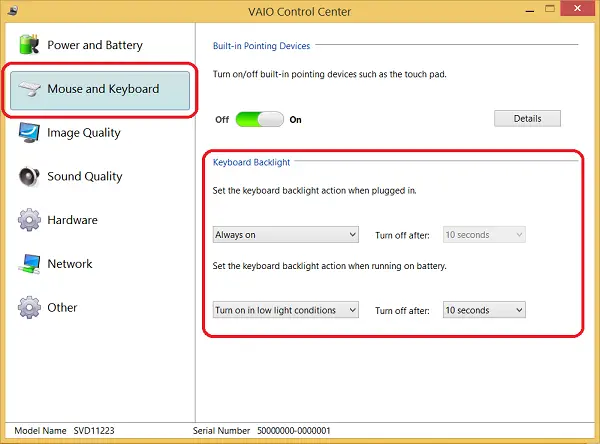
Keyboard backlight settings vary by device type and brand. Laptop keyboards usually support simple brightness levels. Users cycle through these levels.
External keyboards rely on desktop applications. These allow users to save profiles. You can quickly switch between work and leisure modes.
Keyboard backlight settings are affected by drivers. Outdated drivers can cause lighting issues. Keeping software updated helps avoid problems.
Some operating systems limit lighting features. This is common with generic keyboards. Understanding keyboard backlight settings helps set realistic expectations.
Part 7: Common Problems With Keyboard Lighting
Keyboard lighting can be very helpful, but sometimes issues may appear. Most problems are easy to fix if you know the cause. Understanding common problems saves time and prevents frustration. It also helps you adjust keyboard light settings properly.
Problems may appear on both laptops and external keyboards. They can be caused by software, hardware, or improper settings. Some issues are simple, like uneven brightness, while others may need driver updates or software adjustments.
Knowing the common problems helps you find quick solutions.
- The lights are not turning on
This is often caused by the keyboard being disabled or the lighting turned off in settings. Checking keyboard light settings or pressing the function keys usually fixes it. - Uneven or dim lighting
Some keys may appear brighter than others. This happens due to LED placement or dust under keys. Cleaning the keyboard or adjusting the brightness can improve it. - Lighting turns off automatically
Many keyboards have power-saving modes. Lights may turn off when the keyboard is inactive. Adjusting sleep settings or lighting timers can prevent this. - Software is not detecting the keyboard
External keyboards may not work with their software. This usually happens if drivers are missing or outdated. Installing the correct drivers restores control. - Lighting effects are not working
Advanced RGB effects may fail if profiles are corrupted. Resetting the software or creating a new profile can fix this. - The battery drains faster than expected
High brightness or always-on lighting can reduce battery life. Lowering brightness or using timed lighting saves power. - Color settings are not saving
Sometimes chosen colors reset after a restart. This happens due to software glitches or missing permissions. Updating software or saving profiles properly solves the problem.
Part 8: Precautions Before Adjusting Keyboard Lighting
Before changing lighting options, follow these precautions to avoid damage or discomfort.
- Read the official manual
Manufacturers provide specific guidance. This avoids unsupported changes. - Avoid full brightness at all times
High brightness reduces LED lifespan. Moderate levels are safer. - Use trusted software only
Third-party tools may cause system issues. - Save current profiles
Always back up settings before making changes. - Update keyboard firmware carefully
Do not interrupt updates. Interruptions may cause failure. - Monitor battery usage
Lighting consumes power. Balance brightness wisely. - Check compatibility
Not all software supports every keyboard. - Make gradual changes
Testing one setting at a time avoids confusion.
Part 9: Tips for Effective Keyboard Lighting Use
Smart lighting improves comfort and productivity. These tips help achieve that balance.
- Adjust the brightness to the room lighting
Dim rooms need softer light. - Use neutral colors for work
White or warm tones help focus. - Reduce lighting during long sessions
Lower light reduces eye strain. - Turn off effects when working
Static lighting minimizes distraction. - Save profiles for different tasks
Switch easily between modes. - Sync lighting with system theme
Consistency improves visual comfort. - Turn off the lighting when idle
This saves power and extends lifespan. - Test comfort over time
Adjust slowly based on usage.
Author’s Tip
Many users think brighter lighting means better performance. This is not true. Over time, strong light tires the eyes. Soft lighting supports longer focus.
Years of keyboard use show one pattern. Simple lighting wins. Minimal brightness with clear visibility works best for most users.
Instead of chasing effects, focus on comfort. Your keyboard should fade into the background. When lighting works well, you forget it exists.
Balance is key. Test settings over days, not minutes. Your eyes will tell you what works best.
Conclusion
Keyboard lighting has become an essential feature. It supports comfort, accuracy, and long work sessions. Proper setup matters more than visual effects.
Understanding keyboard light settings helps users avoid strain and distraction. Small adjustments make a noticeable difference.
With proper keyboard lighting control, you create a balanced work environment. Lighting should support, not overwhelm.
Learning and managing keyboard backlight settings ensures better usability. Simple choices often lead to the best experience.
FAQs
Does keyboard lighting affect typing speed?
Keyboard lighting does not directly increase typing speed, but it can improve accuracy. When keys are clearly visible, users make fewer mistakes. This builds confidence while typing, especially in low-light conditions. Fewer errors mean less time spent correcting text, which can slightly improve overall typing speed over time.
Can keyboard lighting be disabled completely?
Yes, keyboard lighting can usually be disabled completely. Most laptops and external keyboards provide an option to turn off lighting through function keys or software settings. Disabling the lights helps save battery power and reduces distractions. It is useful when lighting is not needed.
Is lighting useful in daylight?
Keyboard lighting is usually not very useful in daylight. Natural or room light already provides enough visibility for the keys. In bright environments, keyboard lights may not be noticeable at all. Lighting is most helpful in dim or dark spaces where keys are hard to see.
Author Bio:
Dinesh Lakhwani 

Dinesh Lakhwani, the entrepreneurial brain behind “TechCommuters,” achieved big things in the tech world. He started the company to make smart and user-friendly tech solutions. Thanks to his sharp thinking, focus on quality and the motto of never giving up, TechCommuters became a top player in the industry. His commitment to excellence has propelled the company to a leading position in the industry.
Popular Post
Recent Post

CCleaner Duplicate File Finder: Key Features, Pricing, Step-by-Step Guide and More
Every computer collects junk over time. Right? Well, yes! Photos often get copied twice. Documents get saved in two folders by mistake. Old downloads pile up and never get deleted. This slowly eats up your storage space, and most people do not even notice until their drive is almost full. That is where a duplicate […]

Duplicate File Finder Pro: A Complete Review, Everything You Should Know
Computers collect thousands of files over time. Well, yes! Many of them end up being duplicates created by backups, downloads, or accidental copies. These extra files take up valuable storage space and make it harder to keep everything organized. Finding and removing them manually can take hours. Right? Duplicate File Finder Pro is a tool […]
Monitor Screen Calibration Guide: Everything You Should Know
Your monitor shows colors every single day. But are those colors actually correct? Most people never stop to check this. They just use the screen as it comes out of the box. This habit can lead to wrong colors in photos, videos, and work files. Colors may look too warm or too cold without you […]
How To Check Installed RAM and RAM Slots [Complete Guide]
RAM plays an important role in how smoothly a computer runs. Short for Random Access Memory, it stores the data and instructions that Windows and active applications need at any given moment. From opening multiple browser tabs to running games and productivity software, RAM helps keep everything responsive. A system with limited memory may experience […]

What is Microsoft Autopilot Everything You Need To Know
Technology has changed the way companies manage computers. Well, yes! Employees now work from offices, homes, and remote locations. Setting up devices manually for every worker takes time and effort. It can also create mistakes that slow down productivity. This is where Microsoft Autopilot becomes useful. It helps businesses prepare and deploy Windows devices with […]

Enable Automatic Device Locking Feature Windows: Complete Guide
Introduction: Your computer stores important information such as emails, documents, passwords, and personal photos. Leaving it unlocked can put that data at risk. Thankfully, Windows includes built-in features that can automatically lock your device when you are away. Setting up automatic device locking is quick and does not require any extra software. In this guide, […]

How to Update Wireless Network Driver in Windows 11 and 10
Your Wi-Fi keeps dropping. Pages load slowly. The connection feels unstable? Well, you are not alone. Most of the time, the problem is not with your internet plan. It is with your wireless network driver. A driver is a small piece of software that helps your computer talk to its hardware. When it gets outdated, […]

Common Windows 11 Problems and Solutions (2026 Version)
Windows 11 has become more polished over the years, but it is still not completely free from problems. Even after regular updates from Microsoft, many users continue to face issues like lagging performance, failed updates, audio troubles, random crashes, and network errors. Some problems appear after installing new features, while others develop gradually as the […]

Fortect Driver Updater Review: Features, Steps, Pros, and Cons.
A new PC usually feels quick and responsive. Applications open instantly, games run smoothly, and everything works as expected. As time passes, however, you may notice slower performance, system crashes, hardware glitches, or devices that stop working properly. While many people assume malware or low storage space is to blame, outdated drivers are often the […]