











The photos folder looked normal at first glance. Then the storage warning popped up. One trip photo appeared four times. A tax PDF sat in three different folders. Two old setup files were still in Downloads, and each one was over 500 MB. Nobody plans this mess. Copies pile up slowly. A download runs twice. […]
The Biggest AI-Run Cyber Attacks Of All Time
Artificial intelligence is now part of everyday technology. It helps people search faster. It improves medical research. It supports businesses in making better choices. But AI is not used only for good purposes. Cyber criminals have also learned how to use it. This has changed the nature of cyber attacks across the world.
In the past, cyber attacks were slow and manual. Hackers needed time to study systems. They made mistakes. Today, AI-run cyber attacks work differently. They learn on their own. They adapt quickly. They stay hidden for long periods. Some of the biggest cyber attacks in history were powered by AI systems. These attacks caused financial loss, data leaks, and serious damage to trust.
This article explains the biggest AI-run cyber attacks of all time and what the world learned from them.
Part 1: How AI Changed the World of Cyber Attacks
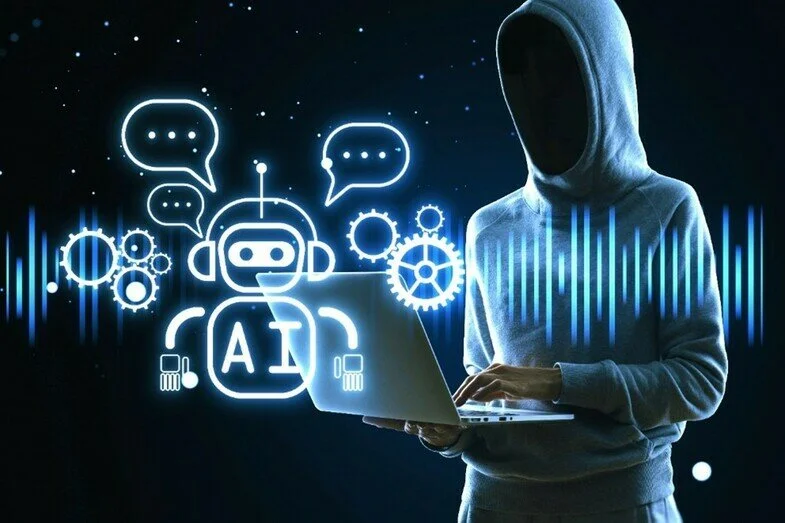
AI has completely reshaped cybercrime. Attackers no longer depend only on skills. They depend on intelligent tools.
AI helps hackers scan thousands of systems in minutes. It finds weak passwords. It identifies outdated software. It also studies how users behave. This makes attacks more accurate.
Another big change is automation. AI can run attacks without human control. Once launched, the system keeps learning. It adjusts based on security responses. This reduces the need for constant input from attackers.
AI also improves stealth. Traditional attacks followed patterns. Security tools learned to spot them. AI attacks change patterns often. This makes detection much harder. Many attacks remain hidden for months.
Part 2: The First Known AI-Driven Malware Outbreak
The first widely recognized AI-driven malware outbreak was PromptLock ransomware in August 2025, followed shortly by MalTerminal in September 2025. These marked the beginning of adversaries using large language models (LLMs) to generate malicious code dynamically, making detection and defense far more difficult.
In August 2025, cybersecurity researchers identified PromptLock, the first ransomware powered by AI. Unlike traditional malware, PromptLock used real-time script generation, meaning every attack looked different with no fixed code or predictable patterns. Just weeks later, MalTerminal emerged, leveraging GPT-4 to create ransomware and reverse shells on demand.
Both outbreaks were presented at major security conferences as evidence of a new era in cyber threats, where attackers weaponize AI to outpace conventional defenses.
Key Details
- PromptLock ransomware: First AI-driven ransomware discovered in August 2025.
- Real-time script generation: Each attack was unique, making detection nearly impossible.
- MalTerminal malware: Emerged in September 2025, using GPT-4 to generate malicious payloads.
- Dynamic code creation: Included ransomware and reverse shells, adapting instantly to targets.
- Security implications: Traditional defenses failed, forcing the adoption of behavioral detection and AI-aware countermeasures.
- Trend in cybercrime: Signaled adversaries directly integrating LLMs into malware for scalable, adaptive attacks.
Recommended Article: How To Scan Your Device For Malware In Windows 11 & Windows 10
Part 3: AI-Powered Phishing Attacks That Looked Real
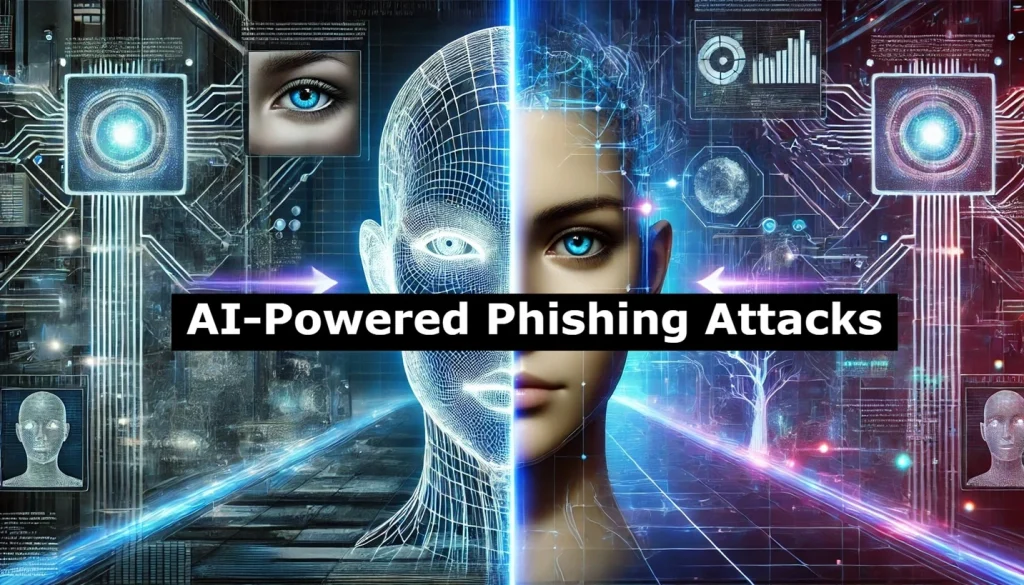
Phishing attacks have existed for a long time. AI made them far more dangerous. Old phishing emails were easy to spot. They had errors. They looked fake.
AI-powered phishing attacks changed everything. These attacks used natural language tools. They studied real emails. They copied writing styles.
Key features of AI-powered phishing attacks
- Highly personalized messages
AI scans social media profiles, websites, and public records. It uses real names, job roles, and recent events. This makes emails feel genuine and trusted. - Perfect grammar and tone
AI removes spelling and language errors. Messages sound professional and polished. This reduces suspicion and increases response rates. - Smart timing of delivery
AI studies user activity patterns. Emails are sent when people are most active or busy. This increases the chance of quick action. - Imitation of trusted writing styles
AI copies the tone of managers, coworkers, or brands. Messages look familiar. Users believe they are from a known source. - Voice and video deepfakes
Some attacks use fake audio or video of company leaders. Employees hear familiar voices. They follow instructions without checking. - Dynamic content adjustment
AI changes message content based on user responses. Follow-up emails feel natural. This keeps the victim engaged. - Automatic language localization
AI creates messages in the user’s native language. Local phrases are used. This increases credibility across regions. - Bypassing security filters
AI rewrites messages to avoid spam detection. It changes wording often. Security systems struggle to block these emails.
These attacks caused massive losses. Many businesses transferred money based on fake requests. Millions of users shared login details unknowingly.
Part 4: AI-Driven Ransomware Attacks on Healthcare Systems
Healthcare systems became major targets for AI-run ransomware. Hospitals store critical data. They cannot afford downtime.
AI-driven ransomware scanned hospital networks. It searched for outdated systems. It identified backup locations. It then attacked the most important files first.
Patient records were locked. Appointment systems were frozen. Emergency services were delayed. Hospitals faced impossible choices.
AI also calculated ransom amounts. It studied hospital finances. It demanded amounts that hospitals were likely to pay. In many cases, payments were made to restore services.
These attacks highlighted how AI could exploit life-critical systems. They raised ethical and security concerns worldwide.
Part 5: AI Attacks on Financial Institutions and Banks
Financial institutions hold valuable data and money. AI made attacks on banks smarter and quieter.
AI systems studied transaction patterns. They learned what normal activity looked like. This helped attackers avoid alerts.
Instead of stealing large sums at once, AI attacks drained accounts slowly. Small amounts went unnoticed. Over time, losses became huge.
Major impacts of AI attacks on banks
- Hidden fraud transactions
Payments looked legitimate. Systems approved them automatically. - Account spying
AI monitored accounts for months. It waited for the right moment. - Delayed detection
Banks often noticed attacks only after audits.
Some attacks lasted over a year. Losses reached millions. These incidents forced banks to upgrade security systems worldwide.
Part 6: AI-Based Attacks on Government Systems
Government systems are complex and interconnected. This made them attractive targets for AI-powered cyber attacks.
AI tools mapped large government networks. They identified key servers. They located weak access points.
Some attacks focused on data theft. Sensitive documents were copied quietly. Other attacks aimed at disruption. Public services slowed down or stopped.
In a few cases, transport systems were affected. Power management systems faced interference. These attacks showed how AI could threaten national stability.
Governments responded by increasing cyber defense budgets. AI became part of national security planning.
Part 7: AI Bots and Social Media Manipulation
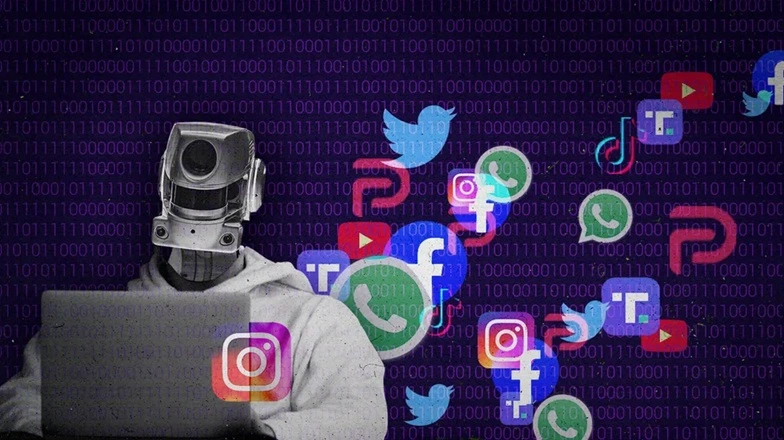
Social media became another battlefield. AI-run bots flooded platforms with fake accounts.
These bots behaved like real users. They posted content. They replied to comments. They shared news articles.
The goal was not always hacking. Many attacks aimed to influence opinions. Fake news spread quickly. Panic increased during crises.
Goals of AI-driven social media attacks
- Shaping public opinion
AI bots repeatedly promote selected views. Constant exposure makes ideas feel common and accepted. - Creating confusion
Bots spread mixed and conflicting messages. This reduces trust in real news and reliable sources. - Damaging brand reputation
Fake complaints and negative reviews are posted in large numbers. This harms public trust in companies. - Spreading panic during crises
AI bots amplify fear-based content. This increases anxiety and social unrest during sensitive events. - Manipulating online discussions
Bots flood comment sections and hashtags. Real voices get buried under automated posts. - Influencing trends and visibility
AI boosts specific topics to make them trend. This shifts attention away from real issues.
These attacks were hard to stop. Bots learned how platforms detected fake accounts. They adapted their behavior to avoid bans.
Part 8: AI Attacks on Cloud Services and Data Centers
Cloud services store massive amounts of data. AI-run attacks targeted these environments.
AI scanned cloud settings. It found misconfigured storage. It identified exposed access keys.
Once inside, AI moved quietly. It copied data slowly. This avoided detection. Some attacks lasted months before discovery.
Businesses lost customer data. Legal penalties followed. Trust was damaged.
These incidents forced cloud providers to improve default security settings. Users also learned the importance of proper configuration.
Part 9: Supply Chain Attacks Powered by AI
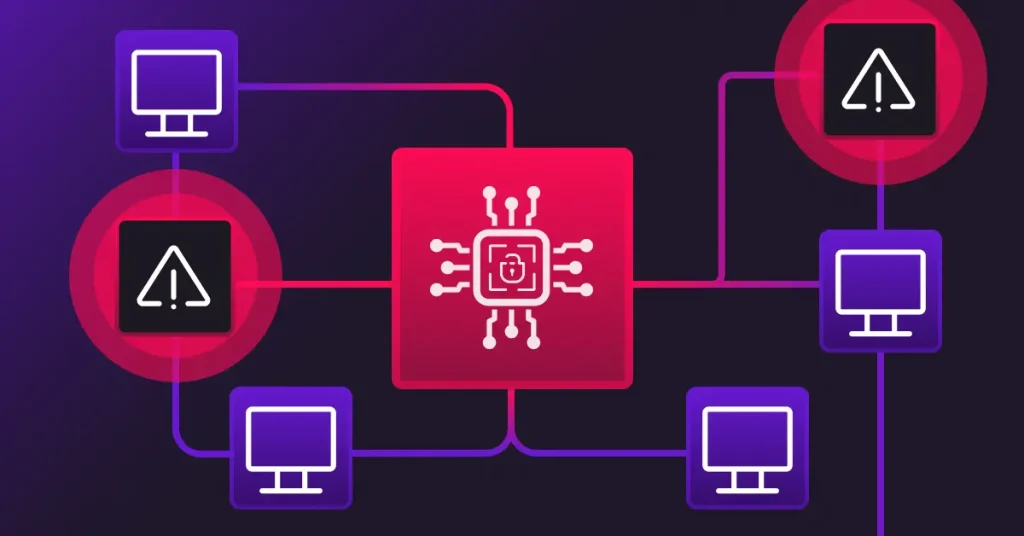
Supply chain attacks target software providers. AI made these attacks more effective.
AI studied update systems. It learned how software was distributed. It injected malicious code into trusted updates.
Thousands of companies installed infected software unknowingly. The attack spread widely without direct contact.
AI helped attackers stay hidden. It activated malware only under certain conditions. This delayed detection.
Supply chain attacks showed how one weak link could affect many organizations.
Part 10: What These AI-Run Cyber Attacks Taught the World?
The rise of AI-run cyber attacks forced the world to rethink digital security. Old defenses were no longer enough. These attacks moved faster, stayed hidden longer, and caused wider damage than expected. Organizations learned hard lessons from these incidents.
- Traditional security tools are not sufficient
Signature-based and rule-based systems failed to stop AI attacks. Security tools must now detect behavior, not just known threats.
- Attackers adapt faster than defenders
AI allows hackers to change tactics quickly. Security teams must respond in real time to keep up. - Human awareness remains critical
Many attacks still succeed because of human error. Training employees reduces the success of phishing and social attacks. - Early detection saves from massive damage
Attacks that were caught early caused less harm. Continuous monitoring became essential. - Backup and recovery plans are vital
Organizations with strong backups recovered faster. Those without backups faced higher losses. - Zero-trust models work better
Trusting every system or user is risky. Access must be verified at every step. - AI must be used for defense as well
Defenders now use AI to spot unusual activity. AI helps predict threats before they spread. - Cybersecurity is a shared responsibility
Governments, businesses, and users all play a role. Weak links anywhere create risks everywhere.
Conclusion
AI-run cyber attacks changed digital security forever. They are faster, smarter, and harder to stop. They do not follow fixed patterns. They learn and adapt continuously.
The biggest AI-run cyber attacks of all time showed both danger and opportunity. While attackers use AI for harm, defenders can also use AI for protection. The future of cybersecurity depends on staying alert, informed, and prepared. In the age of AI, security must evolve every day.
FAQs
1. What is an AI-run cyber attack?
An AI-run cyber attack uses artificial intelligence to plan and execute cyber crimes. The AI system scans targets, learns system behavior, and adjusts attacks automatically. These attacks can operate without human control after launch. This makes them faster and more dangerous than traditional attacks. AI allows hackers to stay hidden for long periods.
2. Why are AI-powered cyber attacks difficult to detect?
AI-powered attacks change their behavior often. They avoid repeating patterns. AI can copy normal user actions. This makes security tools believe the activity is legitimate. AI attacks also move slowly to avoid alerts. Many are detected only after serious damage is done.
3. How can organizations protect themselves from AI-run cyber attacks?
Organizations must use advanced security tools. AI-based defense systems help detect unusual behavior. Regular software updates reduce risks. Employee training helps prevent phishing attacks. Strong backup systems limit damage. Cybersecurity must be proactive, not reactive.
Author Bio:
Dinesh Lakhwani 

Dinesh Lakhwani, the entrepreneurial brain behind “TechCommuters,” achieved big things in the tech world. He started the company to make smart and user-friendly tech solutions. Thanks to his sharp thinking, focus on quality and the motto of never giving up, TechCommuters became a top player in the industry. His commitment to excellence has propelled the company to a leading position in the industry.
Popular Post
Recent Post

Wise Duplicate Finder Review: Real Results from Wise Duplicate Finder
Read my honest Wise Duplicate Finder review. See features, pricing, pros and cons, and real PC test results. Find out if this free duplicate cleaner can free up your Windows storage.

How to Recover Deleted Files from Pen drive, USB Drive, SD Card
Introduction: On tech forums, you’ll often see posts like this: “I connected my pen drive to my laptop this morning, but the folder was empty. All my college project files had vanished. I don’t have a backup. Can someone help me?” Stories like this are very common. Pen drives, USB drives and SD cards are […]

How To Recover Files Deleted from the Recycle Bin [Windows 11]
Losing a file can happen in seconds. You clear your desktop, hit Delete, and empty the Recycle Bin. Then, just when you need that file again, it seems to have vanished. This guide will walk you through ways to restore files removed from the Recycle Bin. We will begin with simple fixes, then look at […]

Disk Drill Data Recovery Tool Explained: Full Review and Guide
It happens in a split second. You delete a folder by mistake. Your drive stops showing up. A photo album from your last trip just vanishes. And your stomach drops. Lost files feel personal. They are not just data. They are memories, work hours, and sometimes years of effort packed into a few gigabytes. When […]

Recover Deleted Files In Windows 11 With Software & Without
Introduction What is the first thing that goes through your mind the second an important file vanishes from a Windows 11 PC? For most people, it is a mix of panic and disbelief, followed by a frantic click through every folder that file could possibly be hiding in. It happens in a split second: one […]

EaseUS Data Recovery Wizard: Everything To Know
Data loss does not always come from a big disaster either. Most cases start small and boring. A drive gets formatted by mistake. A laptop freezes mid-save and restarts on its own. A memory card stops showing up after being pulled out too fast. None of these feel like emergencies at first, until you realize […]

Recuva Data Recovery Tool: Is it Actually Worth it?
When I first tried Recuva Data Recovery, I wanted to see if it could really bring back lost files. The tool is free, small in size, and promises quick recovery, which made me curious enough to test it on my own PC. The setup was fast, and the wizard guided me step by step. I […]

GetData Recover My Files Data Recovery Tool: Honest Review
A hard drive error brings a special kind of silence. Well, yes! The screen freezes, then a message appears saying the drive can’t be found or must be formatted. In that moment, years of photos and work files feel at risk. It never happens at a good time. Coffee spills near a laptop, a memory […]

Windows File Recovery: A Complete Review [Tried & Tested]
Imagine this. You spend hours perfecting a video project. You hit save. Then your laptop freezes, reboots, and when the screen comes back. The file is gone. Your stomach sinks. It’s not just you. Lost files happen all the time. A dropped hard drive, a bad update, an accidental delete, or a corrupted partition can […]