








Introduction: On tech forums, you’ll often see posts like this: “I connected my pen drive to my laptop this morning, but the folder was empty. All my college project files had vanished. I don’t have a backup. Can someone help me?” Stories like this are very common. Pen drives, USB drives and SD cards are […]
Update Windows Security Signatures Manually On Windows 11/10
Quickest Solution: Update Windows Security Signatures in Minutes
If you do not want to go through the full guide, there is a fast way to update security signatures. Windows already includes a built-in tool that can refresh virus definitions instantly. You only need a few clicks, and the process completes in less than a minute in most cases.
This method works on both Windows 10 and Windows 11. It does not require any technical skills. Even if automatic updates are not working, this quick fix usually forces the system to download the latest protection files.
Step 1: Open Windows Security. Go to Virus & Threat Protection.
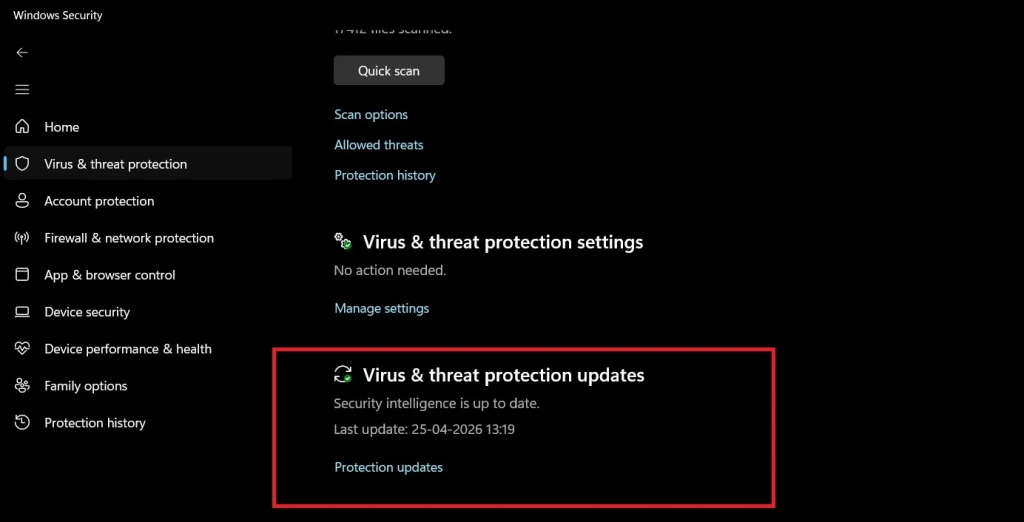
Step 2: Click Check for updates under Protection Updates.
What does this article cover?
This guide explains everything you need to know about updating Windows Security signatures manually. It focuses on simple steps and practical fixes that work in real situations.
- What security signatures are and why they matter
- Quick and manual ways to update them
- Common problems and how to fix them
- Important checks before updating
- Pros, cons, and safety tips
Before You Start: Important Checks
Before updating security signatures, it is better to confirm a few basic things. These checks help avoid errors and make the process smooth.
Stable internet connection
A stable and fast connection is important for downloading updates without interruption. If your internet is slow or keeps disconnecting, the update may stop midway or fail completely.
Windows Security is enabled
Make sure the built-in antivirus is turned on and working properly. If it is disabled, the system will not be able to download or apply new security signatures.
No third-party antivirus conflict
If you are using another antivirus program, it may block Windows Security updates. In some cases, Windows Security gets disabled automatically when another antivirus is active.
System date and time are correct
Your system clock should be set correctly. Wrong date or time settings can create syncing issues with Microsoft servers and prevent updates from working.
Enough disk space available
Updates need some free space to download and install. If your storage is almost full, the update process may fail or not even start.
Windows is up to date
Running an outdated version of Windows can cause compatibility problems. Installing the latest system updates can help fix issues related to security signature updates.
Administrator access
Some update methods require admin rights to run properly. If you are using a standard account, certain options may not work or may be restricted.
Background services are running
Services like Windows Update must be active in the background. If these services are stopped or disabled, security updates will not be downloaded or installed.
Stay Safe: Precautions to Follow
Manual updates are simple, but a few precautions can prevent problems. These steps help keep your system stable and secure.
Do not interrupt the update process
Let the update complete without stopping it. Closing apps, shutting down, or restarting the system in between can damage update files and cause errors later.
Avoid unknown download sources
Always use official or trusted sources for updates. Files from unknown websites may be unsafe and can put your system at risk.
Check file authenticity before installing
Make sure the file you are using is genuine and not modified. Installing the wrong or tampered file can harm your system or break security features.
Keep a backup of important data
It is always a good practice to keep a backup before making system changes. Even though issues are rare, having a backup keeps your data safe.
Avoid using cracked tools or scripts
Do not rely on unofficial tools or scripts. They may look helpful, but often carry hidden malware or unwanted changes.
Close unnecessary programs
Shut down apps that are not needed during the update. This reduces system load and helps the update process run smoothly.
Use a secure network connection
Try to use a private and secure network. Public Wi-Fi can be unstable and may expose your system to risks during downloads.
Restart the system after the update if needed
Some updates require a restart to fully apply changes. Restarting ensures everything works properly and the update is completed.
Benefits of Manual Signature Updates
Updating security signatures manually gives better control and reliability. It helps when automatic updates fail or get delayed.
Instant protection updates
You do not need to wait for automatic schedules
Fixes update errors quickly
The manual method often bypasses common issues
Better system security
Keeps protection always up to date
Useful in offline or restricted networks
Especially in office environments
Simple and quick process
Most methods take only a few minutes
No extra software needed
Built-in tools are enough
Works even when auto-update is disabled
Gives full control to the user
Reduces risk of malware attacks
Latest signatures improve detection rate
Limitations You Should Know
While manual updates are helpful, they also have a few downsides. It is good to understand them before relying on this method.
Requires manual effort each time
Not as convenient as automatic updates
Easy to forget regular updates
May lead to outdated protection
Some methods need technical steps
Like command-based updates
Not ideal for beginners in some cases
Can be confusing without guidance
Depends on user accuracy
Wrong steps may cause errors
Time-consuming if done frequently
Compared to automatic updates
Possible compatibility issues
In older systems or builds
No real-time scheduling
Updates only happen when triggered
What Is The Meaning Of “Update Windows Security Signatures Manually”?

Security signatures are like fingerprints for digital threats. They contain unique patterns that identify harmful software. Windows Defender uses them to spot bad files before they can cause damage. Each signature represents a specific type of malware or virus. The database contains millions of these signatures.
Windows typically updates security signatures every few hours, running silently in the background as you go about your tasks. The system retrieves the latest definitions from Microsoft servers, ensuring continuous protection without any interruptions. Most of the time, this process operates seamlessly and unnoticed. However, there are occasions when automatic updates fail entirely. Let me know if you need further refinements!
Manually updating Windows security signatures puts you in control, allowing you to bypass a potentially faulty automatic update system. By downloading and installing the latest security updates yourself, you ensure your antivirus software has the most up-to-date threat intelligence. This proactive approach keeps your protection current, eliminating the need to wait for Windows to resolve update issues.
Manual updates become critical in several situations. Automatic updates stop working due to corrupted files. Your internet connection might be too slow for background downloads. The Windows Update service could have serious problems or crashes. You might want to update immediately after hearing about new threats. Some corporate networks block automatic update servers. In these cases, manual intervention saves the day.
How to Update Windows Security Signatures Manually
Keeping your Windows security signatures up to date is essential for protecting your system from emerging threats. While automatic updates are generally preferred, there are times when a manual update is necessary, whether due to connectivity issues, troubleshooting security concerns, or simply ensuring your defenses are fully updated. By manually updating security signatures, you take direct control of your system’s protection, ensuring that the latest security definitions are applied without delay.
Manually updating Windows security signatures is a straightforward process, but it requires careful attention to ensure proper installation. Below are three reliable methods to update security signatures manually.
Method 1: Using Windows Security App
The Windows Security app provides the most user-friendly way to manage your security updates. This built-in tool comes with every Windows 10 and Windows 11 installation. It offers a clean, simple interface that anyone can understand. The app connects directly to Microsoft’s update servers for authentic downloads. Most users find this method comfortable and familiar.
This approach works best when the Windows Update service is running, but signatures aren’t updating automatically. The app bypasses some common update problems while using the same secure channels. You get visual feedback during the entire process. Error messages appear clearly if something goes wrong. The app also shows you the current signature version and the last update time.
The Windows Security app is an ideal choice for beginners and casual users, requiring no technical expertise or command-line knowledge. Its intuitive interface provides clear buttons and step-by-step guidance, making the update process effortless. Additionally, this method seamlessly integrates with other Windows security features, ensuring a comprehensive and user-friendly experience. For those who prefer a straightforward approach without advanced configurations, it remains the safest and most accessible option.
Step 1: Press Windows key + I. Click on “Privacy & Security.“Select “Windows Security”.

Step 2: Click “Open Windows Security.”. Head to “Virus & threat protection.” Now select”Virus & threat protection updates.”

Step 3: Click “Check for updates.” Wait for the download to finish. Restart your computer if asked.

Method 2: Using Command Prompt
Command Prompt offers the fastest way to update Windows security signatures manually. This method uses Windows’ built-in command-line tools to force immediate updates. IT professionals prefer this approach because it’s quick and reliable. The command bypasses the graphical interface completely. You get direct access to the Windows Defender update engine.
This technique works even when the Windows Security app fails or crashes. Command Prompt runs with higher system privileges than regular apps. It can often push through updates when other methods get stuck. The process completes faster because there’s no graphical overhead. You also get detailed feedback about what’s happening during the update.
Command Prompt method suits users who are comfortable with basic computer commands. You only need to type one simple command and press Enter. The process is much faster than clicking through multiple screens. This method also works great for remote troubleshooting and batch operations. Advanced users can even script this command for automated updates.
Step 1: Press Windows key + X. Select “Terminal (Admin)” or “PowerShell (Admin).”

Step 2: Type this command: MpCmdRun.exe -SignatureUpdate. Press Enter. Wait for the process to complete.

Step 3: You’ll see “Update completed successfully” when done. Close the command window.
Method 3: Downloading from the Microsoft Website
Direct downloads from Microsoft’s website provide the most reliable update method. This approach works when both automatic updates and Windows tools fail completely. You get the files straight from the source without any intermediary systems. The website always has the latest available signatures for immediate download. This method doesn’t depend on any Windows services or settings.
Web downloads are essential when your Windows installation is severely corrupted. The files come as standalone installers that work independently. You can even download these files on a different computer if needed. This method also works great for offline computers that need security updates. Some corporate environments require manual downloads due to strict network policies.
This technique requires a bit more technical knowledge than the other methods. You need to identify your Windows version and architecture correctly. Downloading the wrong file could cause compatibility issues. The process takes longer because you manually handle each step. However, this method often succeeds when everything else fails completely.
Step 1: Open your web browser. Go to Microsoft’s security intelligence website. Look for the “Definition Updates” section.

Step 2: Choose your Windows version (32-bit or 64-bit). Download the appropriate file. Double-click the downloaded file. Follow the installation prompts. Restart your computer when finished.
Method 4: Using PowerShell
PowerShell is a built-in tool in Windows that allows you to manage system tasks using simple commands. It is similar to Command Prompt but offers more control and flexibility. Many advanced users prefer it for quick operations.
You can use PowerShell to manually trigger a Windows Security signature update. It connects directly to Microsoft servers and fetches the latest definitions. The process is fast and works even when the usual update options are not responding.
This method is safe to use and does not require extra software. You only need to run one command with administrator rights. It is useful when you want a quick and direct way to update protection.
Step 1: Open PowerShell as Administrator.
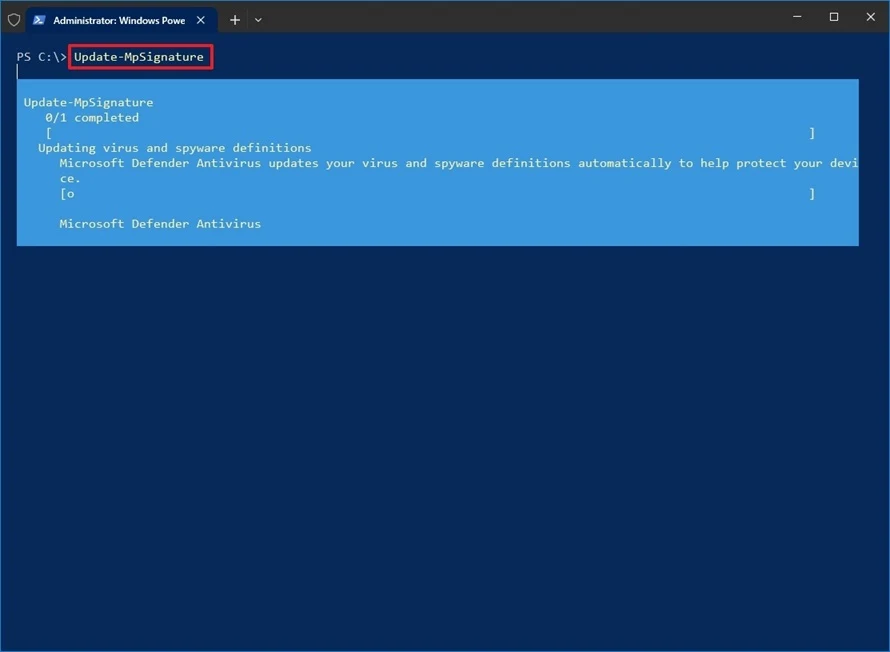
Step 2: Type Update-MpSignature and press Enter
Method 5: Using Windows Update Settings
Windows Update is the main system that delivers updates for your device. It not only installs system patches but also updates security components, including virus definitions. This makes it another simple way to update signatures.
Sometimes, Windows Security updates are bundled with regular system updates. If your antivirus definitions are outdated, checking for updates in system settings can fix the issue. It also helps resolve update-related errors.
This method is easy and works well for most users. It does not require any technical steps and ensures your system stays fully updated.
Step 1: Go to Settings> Windows Update.
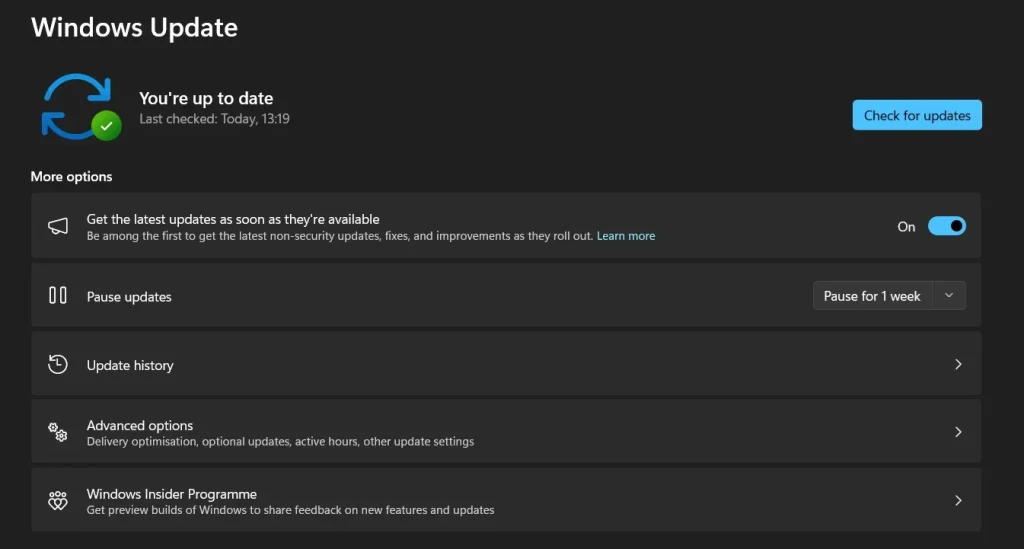
Step 2: Click Check for updates
How to Check if Security Signatures Are Updated
After updating, it is important to confirm the changes. This ensures your system is using the latest definitions.
Open Windows Security and go to the protection updates section. There you will see the latest update date and version number.
You can also compare the version with the latest release online. If both match, your system is fully updated.
Step 1: Open Windows Security. Go to Virus & Threat Protection
Step 2: Click Protection Updates and check the version details
Why Security Signatures Fail to Update Automatically
Automatic updates usually work fine, but sometimes they fail. Understanding the reasons helps fix the issue faster.
Internet connectivity issues
Updates cannot be downloaded without stable access
The Windows Update service is disabled
Required services may be turned off
Third-party antivirus interference
Conflicts can block updates
Corrupted system files
Damaged files can break update processes
Incorrect date and time settings
Causes sync problems with servers
Limited system permissions
Updates may need admin rights
Firewall or network restrictions
Blocks communication with update servers
Outdated Windows version
Older builds may not support the latest updates
Pro Tips to Update Windows Security Signatures Manually
Here are eight pro tips to ensure smooth manual updates for Windows security signatures:
- Check Update Availability First – Before updating, confirm the latest security signature version via Windows Defender or Microsoft Security Essentials.
- Download Definitions from Microsoft – Visit Microsoft’s official security update site to manually download and install the latest signature files.
- Use Offline Updates If Needed – If internet access is limited, keep a local copy of security updates to apply manually.
- Ensure Real-Time Protection Is On – After updating, verify that Windows Defender is actively scanning and using the latest security definitions.
- Run a Full System Scan – Once updates are applied, perform a thorough scan to ensure your system is free of threats.
- Set a Regular Update Routine – Make it a habit to check and install updates weekly for continuous protection.
- Restart If Necessary – Some updates may require a system reboot to fully integrate with Windows Security.
- Verify Update Success – Check Windows Security settings to confirm the latest signature version is applied.
Conclusion
Learning to update Windows security signatures manually is a valuable skill for every computer user. It keeps your computer safe when automatic updates fail or get corrupted. Modern cyber threats evolve rapidly, making current signatures essential for protection. The three methods we covered all work well in different situations. Each approach has its own advantages and use cases.
Remember to check for updates regularly using your preferred method. Use our comprehensive pro tips to make the process smooth and error-free. Your computer’s security depends entirely on having current, up-to-date signatures. Taking proactive steps prevents infections and keeps your personal data safe.
When automatic updates work properly, let them run in the background. But when they fail, you now have the knowledge and tools to update Windows security signatures manually. This essential skill keeps your system protected at all times. Regular manual updates ensure continuous protection against the latest digital threats.
FAQs:
Q: How often should I update Windows security signatures manually?
Check weekly if automatic updates aren’t working properly. Daily checks are better during high-risk periods or major threat outbreaks. New malware appears constantly, so frequent updates provide better protection. Monitor cybersecurity news for alerts about emerging threats. During major security incidents, check multiple times per day. Set up calendar reminders to maintain consistent update schedules. Regular manual updates ensure continuous protection against evolving digital threats.
Q: Will manual updates slow down my computer permanently?
No, manual updates don’t affect long-term computer performance. The update process might slow things temporarily while downloading and installing. Updated signatures actually improve system performance by preventing malware infections. Malware causes much more slowdown than security updates ever will. The brief inconvenience during updates pays off with better security. Modern computers handle signature updates efficiently without lasting impact. Clean, updated systems run faster and more reliably overall.
Q: What should I do if all manual update methods fail?
Try a different method from our comprehensive guide first. Check your internet connection and firewall settings carefully. Temporarily disable third-party antivirus software that might be interfering. Clear your browser cache and temporary files completely. Restart your computer and try again with administrator privileges. Contact Microsoft support if all methods continue failing. Consider using Windows Reset options as a last resort. Document error messages to help with troubleshooting efforts.
Author Bio:
Dinesh Lakhwani 

Dinesh Lakhwani, the entrepreneurial brain behind “TechCommuters,” achieved big things in the tech world. He started the company to make smart and user-friendly tech solutions. Thanks to his sharp thinking, focus on quality and the motto of never giving up, TechCommuters became a top player in the industry. His commitment to excellence has propelled the company to a leading position in the industry.
Popular Post
Recent Post

How To Recover Files Deleted from the Recycle Bin [Windows 11]
Losing a file can happen in seconds. You clear your desktop, hit Delete, and empty the Recycle Bin. Then, just when you need that file again, it seems to have vanished. This guide will walk you through ways to restore files removed from the Recycle Bin. We will begin with simple fixes, then look at […]

Disk Drill Data Recovery Tool Explained: Full Review and Guide
It happens in a split second. You delete a folder by mistake. Your drive stops showing up. A photo album from your last trip just vanishes. And your stomach drops. Lost files feel personal. They are not just data. They are memories, work hours, and sometimes years of effort packed into a few gigabytes. When […]

Recover Deleted Files In Windows 11 With Software & Without
Introduction What is the first thing that goes through your mind the second an important file vanishes from a Windows 11 PC? For most people, it is a mix of panic and disbelief, followed by a frantic click through every folder that file could possibly be hiding in. It happens in a split second: one […]

EaseUS Data Recovery Wizard: Everything To Know
Data loss does not always come from a big disaster either. Most cases start small and boring. A drive gets formatted by mistake. A laptop freezes mid-save and restarts on its own. A memory card stops showing up after being pulled out too fast. None of these feel like emergencies at first, until you realize […]

Recuva Data Recovery Tool: Is it Actually Worth it?
When I first tried Recuva Data Recovery, I wanted to see if it could really bring back lost files. The tool is free, small in size, and promises quick recovery, which made me curious enough to test it on my own PC. The setup was fast, and the wizard guided me step by step. I […]

GetData Recover My Files Data Recovery Tool: Honest Review
A hard drive error brings a special kind of silence. Well, yes! The screen freezes, then a message appears saying the drive can’t be found or must be formatted. In that moment, years of photos and work files feel at risk. It never happens at a good time. Coffee spills near a laptop, a memory […]

Windows File Recovery: A Complete Review [Tried & Tested]
Imagine this. You spend hours perfecting a video project. You hit save. Then your laptop freezes, reboots, and when the screen comes back. The file is gone. Your stomach sinks. It’s not just you. Lost files happen all the time. A dropped hard drive, a bad update, an accidental delete, or a corrupted partition can […]

5 Best Data Recovery Software For Windows 11 and Windows 10
Introduction: A crashed drive can ruin a whole day. One minute your photos, work files, and tax records sit safe on your PC. The next minute they are gone. A power cut, a bad update, or one wrong click can wipe out years of memories and months of work in seconds. That sinking feeling is […]

How To Update NVIDIA Drivers On Windows 11/10 PC
Learn how to update NVIDIA drivers on Windows 11/10 with simple methods, safety tips, and easy steps for smoother gaming and better PC performance.