



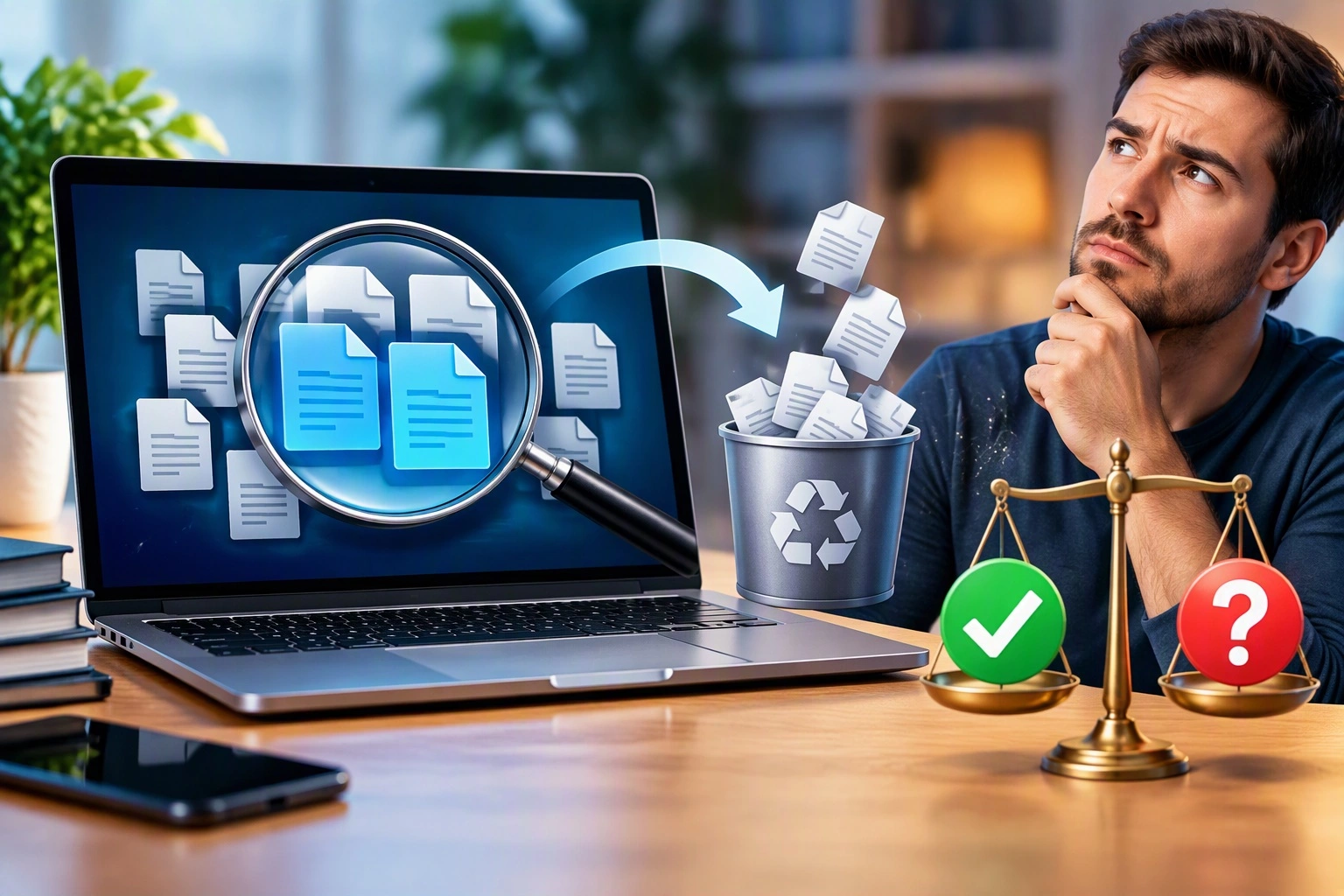
The photos folder looked normal at first glance. Then the storage warning popped up. One trip photo appeared four times. A tax PDF sat in three different folders. Two old setup files were still in Downloads, and each one was over 500 MB. Nobody plans this mess. Copies pile up slowly. A download runs twice. […]
How to Fix Laptop Black Screen on Startup on Windows 11/10
Introduction:
Imagine the panic that sets in when you press the power button, only to be greeted by a disheartening black screen. The laptop black screen on startup issue is a common and frustrating problem that many users encounter, leaving them feeling helpless and unsure of what to do next. But fear not! In this comprehensive guide, we will walk you through the step-by-step process of troubleshooting and fixing the dreaded black screen on startup issue.
So, go ahead and try the below-listed solutions to get your laptop back to life.
What Causes Laptop Black Screen Issues?
The laptop black screen issue on boot can be caused by various factors, ranging from software glitches to hardware failures. Understanding the potential culprits behind this frustrating problem is essential for effective troubleshooting. Some of the most common reasons that accelerate this issue include:
- Hardware failure.
- Software glitches.
- Power supply problems.
- Battery issues.
- Presence of viruses or malware.
How to Fix the Laptop Black Screen on Startup Issue on Windows
Solution 1: Check If Your Device Is Responsive
When faced with a laptop black screen issue on startup, the first step is to check if your device is responsive. Follow these steps to determine if your laptop is still functioning properly:
- Press the Caps Lock key or Num Lock key on your keyboard. If the corresponding indicator lights on your keyboard turn on or off, it indicates that your laptop is responsive, but the display may be the issue.
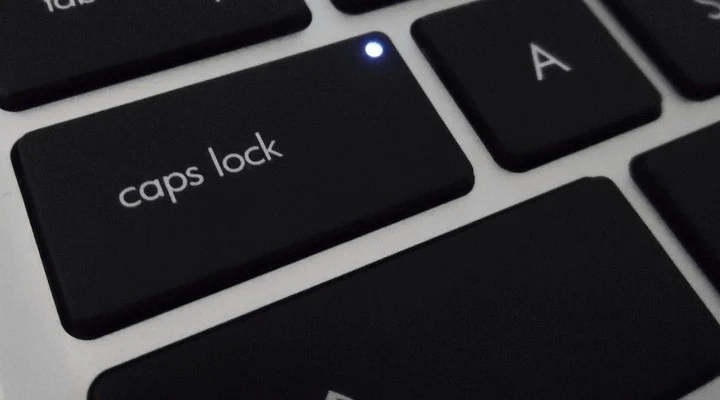
- Look for any signs of activity, such as fan noise or LED lights on your laptop. If you notice these signs, it suggests that your laptop is powered on, but the display is not functioning correctly.
- Connect an external monitor to your laptop using an HDMI or VGA cable. If the external monitor displays your laptop’s screen properly, it indicates that the issue lies with the laptop’s internal display.
If your laptop is unresponsive, with no signs of activity or indicator lights, it could indicate a more serious hardware or power-related problem. In such cases, it’s recommended to consult a professional technician for further assistance.
Solution 2: Reset the Graphics Driver
In addition to checking the responsiveness of your laptop, there is a specific key combination that you can try to reset the graphics driver, which may help resolve the black screen issue. Follow these steps:
- Press and hold the Win (Windows) key on your keyboard.
- While holding the Win key, press and hold the Ctrl + Shift + B key.
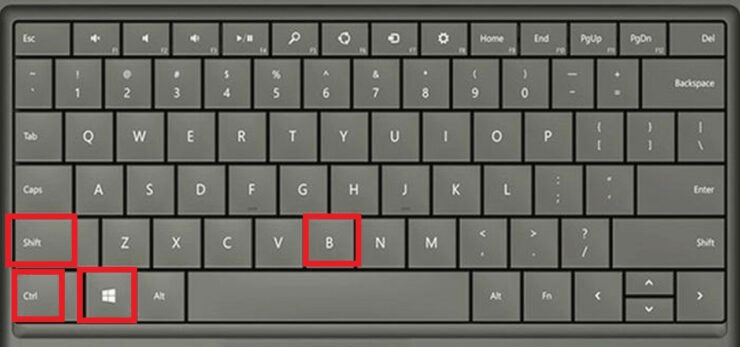
This key combination, Win + Ctrl + Shift + B, is a shortcut to reset the graphics driver on Windows. It sends a signal to the system to refresh the display and can sometimes resolve the laptop’s black screen on startup issue.
Solution 3: Check the Physical Connections
Sometimes, a laptop black screen issue on startup can be caused by loose or faulty physical connections. If you are using an external monitor, ensure that the cable connecting the monitor to your laptop is securely plugged in on both ends. Try disconnecting and reconnecting the cable to ensure a proper connection.
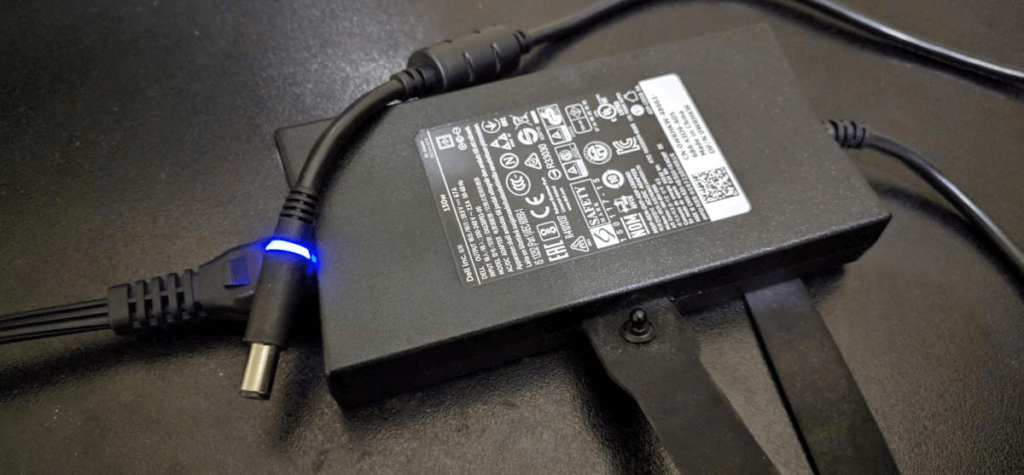
Ensure that your laptop’s power adapter is securely connected to both the laptop and a functioning power outlet. A loose or faulty power connection can lead to power-related issues, including a black screen on startup.
Solution 4: Disconnect External Devices
When troubleshooting a black screen on startup issue, it’s important to consider the possibility that an external device may be causing the problem. Sometimes, incompatible or faulty external devices can interfere with the startup process and result in a black screen.
Unplug any external devices connected to your laptop, such as USB drives, printers, external monitors, docking stations, or any other peripherals. Make sure to remove them one by one to determine if a specific device is causing the problem.
To identify the problematic device, reconnect each external device individually, restarting your laptop after each connection. If the black screen reoccurs after connecting a specific device, it is likely the culprit.
Solution 5: Rollback the Display Drivers
If your PC is experiencing a black screen issue after a recent change, such as a Windows update, it’s possible that the display adapter (graphics card, etc.) is not functioning correctly. To safely revert the display adapter’s driver to a previous version and potentially resolve the black screen problem, follow these steps:
- Restart your computer in Safe Mode: In order to make changes to the display adapter’s driver, boot your PC in Safe Mode. This mode allows for a limited set of drivers and services to run, ensuring a stable environment for troubleshooting.
- After starting your PC in Safe Mode, locate the Search bar and type in “Device Manager” to access the program.
- Within the Device Manager program, navigate to the “Display Adapters” section. Here, you will find a list of the current display adapters installed on your PC.
- Identify the display adapter that you suspect may be causing the black screen issue and right-click on it. A context menu will appear.
- In the context menu, select “Properties” for the display adapter. This will open a dialog box. Within the dialog box, find the “Driver” tab.
- In the “Driver” tab, locate the option to “Roll Back Driver” and click on it. You may be asked to confirm your action. Press “Yes” to execute the rollback process.
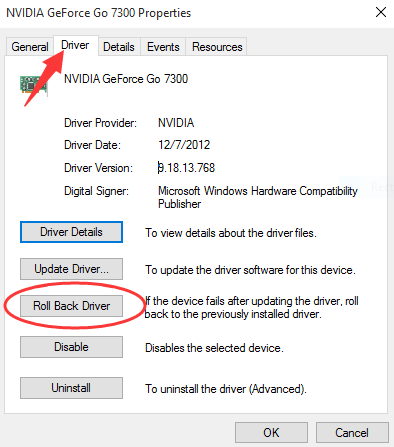
- After successfully rolling back the driver, restart your computer to apply the changes.
Upon rebooting, check if the black screen problem has been resolved. Rolling back the driver to a previous version can often address compatibility issues caused by recent changes made to your device.
Solution 6: Check the Internal Hardware
To troubleshoot the laptop black screen on startup issue on your computer:
- Power off and unplug everything, then open your computer.
- Inspect components for damage and reseat each one firmly.
- If you recently upgraded a component, ensure it’s properly installed.
- Contact the manufacturer if the issue persists to check for faulty parts.
By carefully inspecting and reseating your computer components, you can address any loose connections or faulty installations that might be causing the black screen issue.
Conclusion
Dealing with a laptop black screen on startup issues can be a frustrating experience. Right? However, armed with the right knowledge and troubleshooting steps, you can overcome this challenge and bring your laptop back to life. By checking the responsiveness of your device, verifying physical connections, resetting display drivers, disconnecting external devices, and inspecting components, you can address common causes of the black screen problem.
Author Bio:
Dinesh Lakhwani 

Dinesh Lakhwani, the entrepreneurial brain behind “TechCommuters,” achieved big things in the tech world. He started the company to make smart and user-friendly tech solutions. Thanks to his sharp thinking, focus on quality and the motto of never giving up, TechCommuters became a top player in the industry. His commitment to excellence has propelled the company to a leading position in the industry.
Popular Post
Recent Post
Wise Duplicate Finder Review: Real Results from Wise Duplicate Finder
Read my honest Wise Duplicate Finder review. See features, pricing, pros and cons, and real PC test results. Find out if this free duplicate cleaner can free up your Windows storage.
How to Recover Deleted Files from Pen drive, USB Drive, SD Card
Introduction: On tech forums, you’ll often see posts like this: “I connected my pen drive to my laptop this morning, but the folder was empty. All my college project files had vanished. I don’t have a backup. Can someone help me?” Stories like this are very common. Pen drives, USB drives and SD cards are […]

How To Recover Files Deleted from the Recycle Bin [Windows 11]
Losing a file can happen in seconds. You clear your desktop, hit Delete, and empty the Recycle Bin. Then, just when you need that file again, it seems to have vanished. This guide will walk you through ways to restore files removed from the Recycle Bin. We will begin with simple fixes, then look at […]
Disk Drill Data Recovery Tool Explained: Full Review and Guide
It happens in a split second. You delete a folder by mistake. Your drive stops showing up. A photo album from your last trip just vanishes. And your stomach drops. Lost files feel personal. They are not just data. They are memories, work hours, and sometimes years of effort packed into a few gigabytes. When […]
Recover Deleted Files In Windows 11 With Software & Without
Introduction What is the first thing that goes through your mind the second an important file vanishes from a Windows 11 PC? For most people, it is a mix of panic and disbelief, followed by a frantic click through every folder that file could possibly be hiding in. It happens in a split second: one […]
EaseUS Data Recovery Wizard: Everything To Know
Data loss does not always come from a big disaster either. Most cases start small and boring. A drive gets formatted by mistake. A laptop freezes mid-save and restarts on its own. A memory card stops showing up after being pulled out too fast. None of these feel like emergencies at first, until you realize […]

Recuva Data Recovery Tool: Is it Actually Worth it?
When I first tried Recuva Data Recovery, I wanted to see if it could really bring back lost files. The tool is free, small in size, and promises quick recovery, which made me curious enough to test it on my own PC. The setup was fast, and the wizard guided me step by step. I […]

GetData Recover My Files Data Recovery Tool: Honest Review
A hard drive error brings a special kind of silence. Well, yes! The screen freezes, then a message appears saying the drive can’t be found or must be formatted. In that moment, years of photos and work files feel at risk. It never happens at a good time. Coffee spills near a laptop, a memory […]
Windows File Recovery: A Complete Review [Tried & Tested]
Imagine this. You spend hours perfecting a video project. You hit save. Then your laptop freezes, reboots, and when the screen comes back. The file is gone. Your stomach sinks. It’s not just you. Lost files happen all the time. A dropped hard drive, a bad update, an accidental delete, or a corrupted partition can […]