






A slow PC rarely gives a warning. One day, it simply takes longer to start. Apps open late. The fan runs loud, even when the screen is almost empty. Most people blame old hardware. Often, that is not the real reason. The real reason is hiding in plain sight. Windows keeps many apps active in […]
How to Fix Cannot Verify Server Identity on iPhone or iPad?
Introduction
While carrying out any work, like sending/receiving emails, errors like the “Cannot Verify Server Identity” one in iOS devices are possible. This happens when the device cannot verify the legitimacy of the mail server’s certificate. Due to an incorrect signature, expired certificate, or mismatch of server and given domain name, the verification process deems it as inauthentic and shows the error.
With this error, users cannot exchange their emails through the account, so a quick resolution is necessary. At this time, you can use Norton’s LifeLock to protect your email account and other ID details.
How to Rectify the Cannot Verify Server Identity Issue?
To remove the error- Cannot Verify Server Identity, iPhone and iPad users take several steps on their devices. Which one will suit your needs depends on the main cause of the error on your iPhone or iPad. The following are the most common solutions to the problem.
Solution 1: Reboot the iPhone/iPad Device
One of the easiest solutions for the Cannot Verify Server Identity error is to restart the device directly. This simple troubleshooting technique will interfere with the server connection and renew the connection when it reboots again. To note, doing this step is suitable if you are unaware of the exact cause for the error and is a minor failsafe process. If the reason is more complex, the error message will appear later.
Hold the Up-volume button and the side button to switch off the iPhone/iPad device. Press and hold until the “Slide to power off” option appears. Move the given slider icon to the end: that will switch the device off. Then, press the side button and hold until the device restarts.
Solution 2: Kill the Mail app
Some iOS users keep the Mail app continuously active, and that can cause it to start lagging or show errors. So, it would help if you swipe up the iPhone screen to open the app carousel. Keep swiping right until you reach the Mail app and swipe on it up. Deactivate the app and switch it on again later.
Solution 3: Disconnect/Reconnect the Internet Connection
Some users notice the Cannot Verify Server Identity iPhone or iPad error even if the mail server and device are not affected. This can occur if the local network connection they are using is facing some error.
If your connection to an ISP is causing the problem, disconnect and reconnect with a few minutes of a gap in between. Additionally, you can turn the modem and router off if you are using them. Restart again after a minute of waiting.
Solution 4: Recheck the iOS Update
In iPhone/iPad devices, the Mail app is one of the in-built applications. So, updating the iOS or iPadOS system to a new version can change the Mail app if such software upgrades are available in the bundled iOS update. If you are using the device with an older OS and see the Cannot Verify Server Identity error, you should do an IOS update.
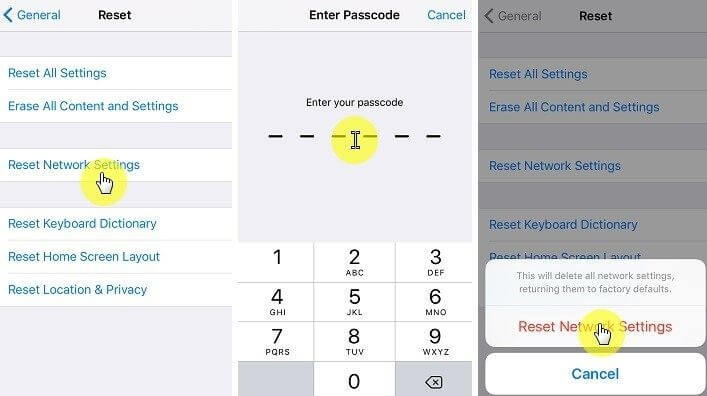
Solution 5: Reset the Network Settings
While you can disconnect and reconnect your internet connection like in Solution 3, resetting the network settings is better if the problem persists. When users reset the network settings, the process deletes all recent settings, like customizations one made. It will return to default settings and remove the issues causing the verification issue.
How to do this?
Step 1: Open your iPad or iPhone device and go to the Settings application.
Step 2: Click on General > Reset.
Step 3: Under the next options, choose the “Reset Network Settings” option.
Solution 6: Delete the Mail Account and Open it Again
When you notice the Cannot Verify Server Identity problem on your device, you can delete your account completely from the app. That will remove the issue, and you can reactivate your account afterward. With software like Norton LifeLock, you can back up your account data and restore them when you re-add your mail account.
How to do this?
Step 1: Open the Settings app through your iPad or iPhone device.
Step 2: In the list, choose the “Passwords & Accounts” selection. If you are using older iOS version models, press the “Mail, Contacts, Calendars” or “Mail” option > Accounts.
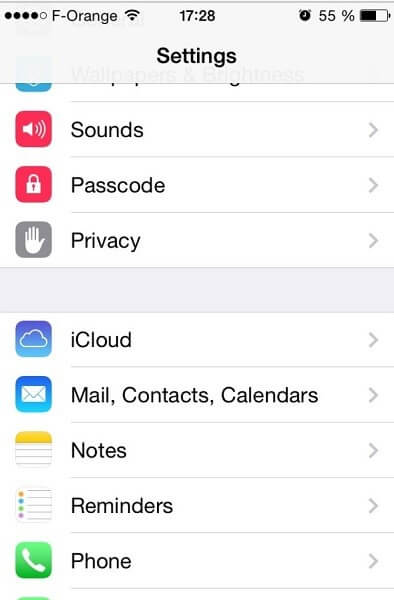
Step 3: Select the email account to remove. Press the Delete Account button.
Step 4: A confirmation prompt will appear. Hit the “Delete from My iPhone/iPad” or “Delete Account” button, as per your device’s OS version.
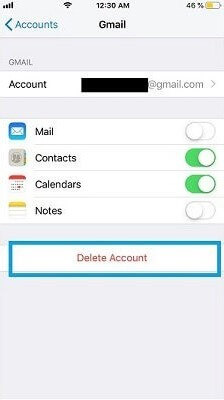
Step 5: Return to the Accounts & Passwords/Accounts page after deleting the account.
Step 6: Choose the “Add Account” selection. Tap on the preferred email service provider and insert all details as instructed to finish the email setup.
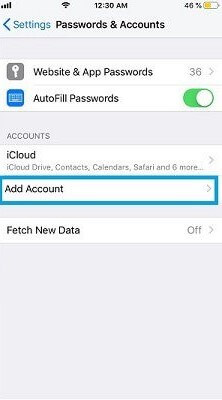
Solution 7: Disable the SSL
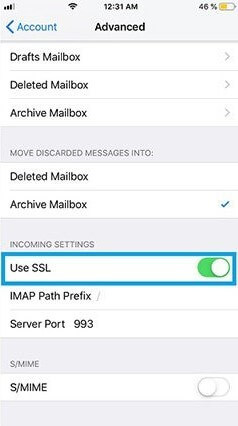
Another common fix to handle the Cannot Verify Server Identity issue is deactivating the active SSL certificates. These can sometimes block the verification process while trying to include a new account. So, disabling SSL might remove the problem.
How to do this?
Step 1: On your iPad or iPhone, go to Settings.
Step 2: Open the Passwords & Accounts menu.
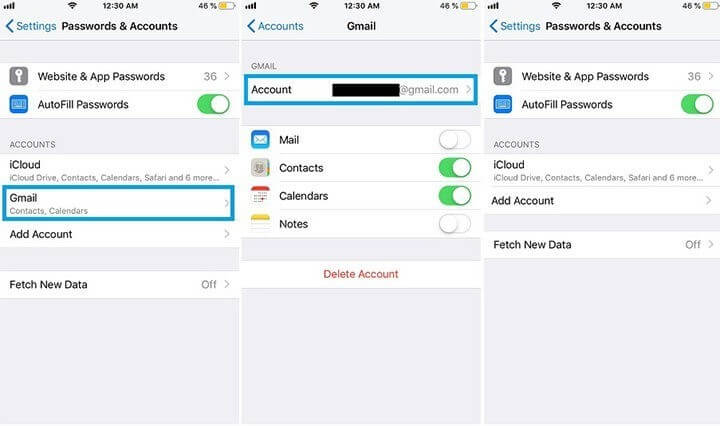
Step 3: Scroll down to find the Mail app and click on it.
Step 4: Tap on the registered account > Advanced.
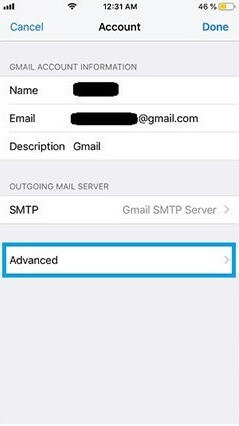
Step 5: Find the SSL choice and toggle the slider beside it to disable the SSL.
Solution 8: Change the Time and Date
If you have the wrong date and time input within your iPhone device, that can cause the Cannot Verify Server Identity prompt. You should check that your smartphone’s date/time settings are the right ones per your exact time zone. If not, change it to resolve the problem.
How to do this?
Step 1: Open your iPhone and access Settings.
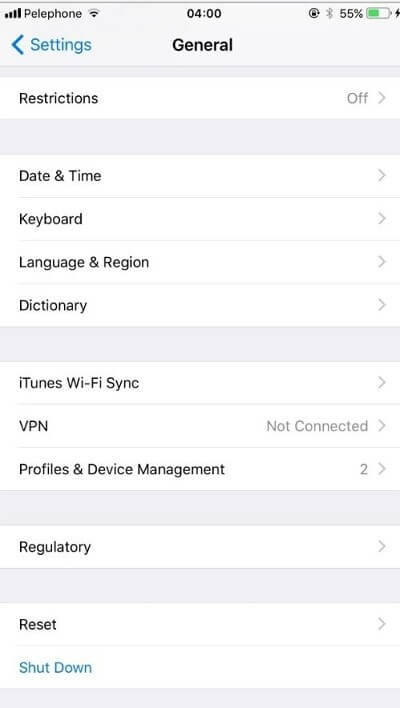
Step 2: Click on General > Date & Time.
Step 3: In the next screen, toggle the slider beside the “Set Automatically” feature to enable it. Then, check if the email sending and receiving function has resumed and understand if the process worked.
Solution 9: Update the Settings for your iOS carrier
If an iPhone is working with an outdated carrier setting, the verification problem is interrupted due to incompatibility. Plus, the out-of-date iOS carrier settings will affect accurate connectivity with your accounts. You should update these settings to eliminate the error.
How to do this?
Step 1: Open your iPad or iPhone device and access Settings.
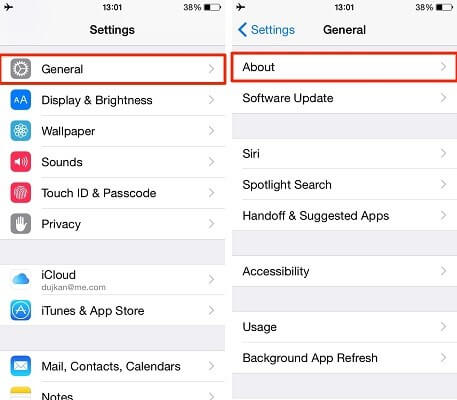
Step 2: In the Settings menu, click on the General option.
Step 3: Press About and see the information about the carrier update available. Follow all the given instructions for installing the latest update.
Solution 10: Troubleshoot the minor issues
Multiple other situations can cause the Cannot Verify Server Identity iPhone or iPad-based error prompt. For example, if the server and domain names are not aligning, the verification process will analyze the certificate as incorrect or fake. You can carry out small troubleshooting steps to rectify the domain and server name-related inconsistencies.
- Users operating with a Shared Hosting connection can remove the problem when they adjust the mail server configurations on their iPhones.
- Changing the server name for the email as per the certificate name will work for hosting customers utilizing VPS accounts.
- The VPS users working with a self-signed certificate may see this issue since that is not considered liable. You should prepare a liable certificate from a registered source.
Conclusion
Depending on the main reason for the error, you can use different techniques like restarting the app/device, resetting connections, or deleting and adding the account. Check if the steady mail process is working again after trying out these techniques. Also, use the reliable Norton LifeLock software to protect your account data while trying out these solutions.
If you found this guide helpful, check out our other detailed posts.
Author Bio:
Dinesh Lakhwani 

Dinesh Lakhwani, the entrepreneurial brain behind “TechCommuters,” achieved big things in the tech world. He started the company to make smart and user-friendly tech solutions. Thanks to his sharp thinking, focus on quality and the motto of never giving up, TechCommuters became a top player in the industry. His commitment to excellence has propelled the company to a leading position in the industry.
Popular Post
Recent Post
How to Activate Windows with a Product Key for Windows 11 & Windows 10
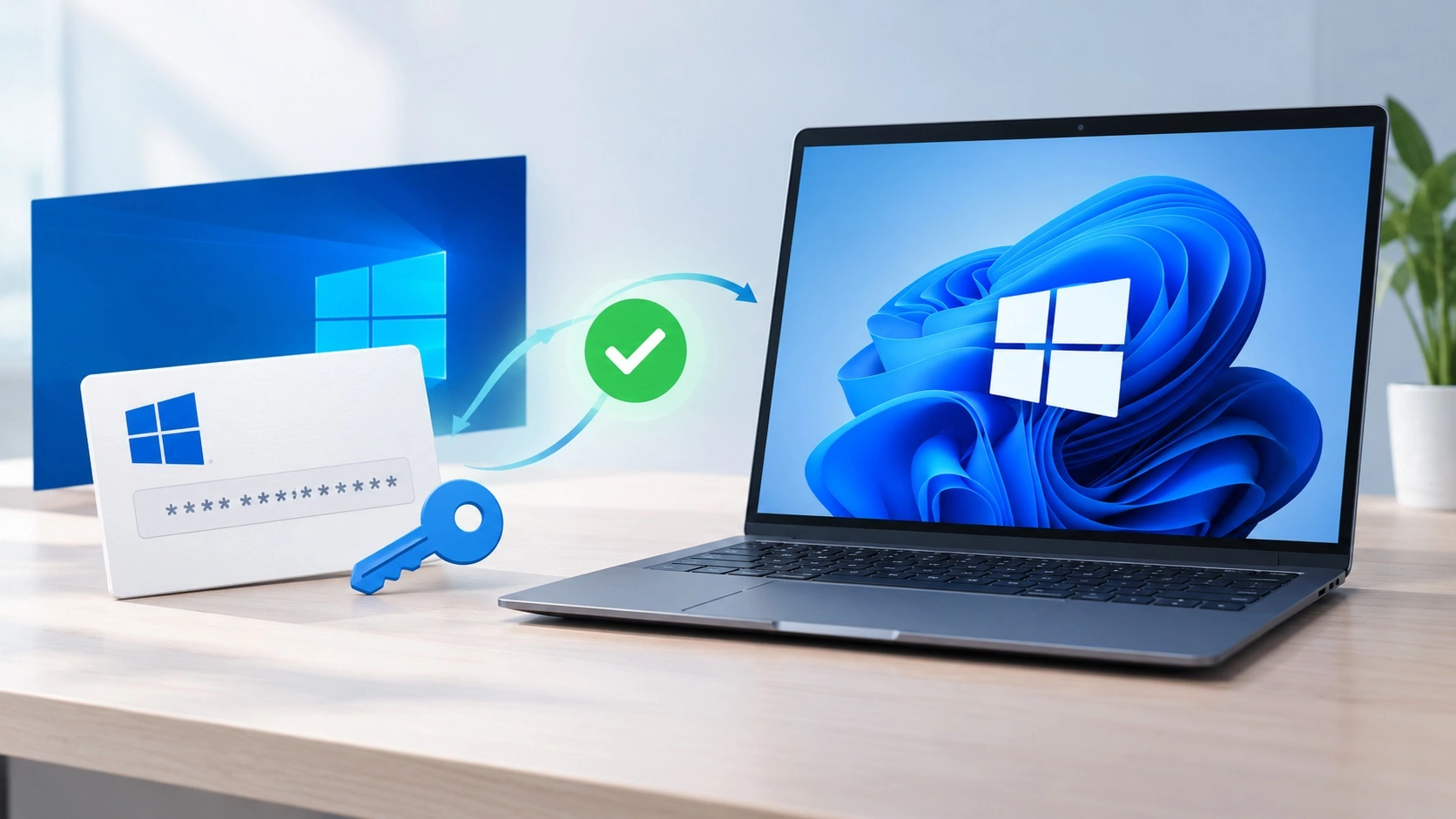
It always shows up at the worst time. You are halfway through a report, or about to join a video call. Then you spot it in the bottom right corner of the screen. Activate Windows. Go to Settings to activate Windows. Initially, an unactivated copy of Windows may seem like a minor inconvenience. Over time, […]
Is Easy Duplicate Finder Worth It? Honest Review
The photos folder looked normal at first glance. Then the storage warning popped up. One trip photo appeared four times. A tax PDF sat in three different folders. Two old setup files were still in Downloads, and each one was over 500 MB. Nobody plans this mess. Copies pile up slowly. A download runs twice. […]

Wise Duplicate Finder Review: Real Results from Wise Duplicate Finder
Read my honest Wise Duplicate Finder review. See features, pricing, pros and cons, and real PC test results. Find out if this free duplicate cleaner can free up your Windows storage.
How to Recover Deleted Files from Pen drive, USB Drive, SD Card
Introduction: On tech forums, you’ll often see posts like this: “I connected my pen drive to my laptop this morning, but the folder was empty. All my college project files had vanished. I don’t have a backup. Can someone help me?” Stories like this are very common. Pen drives, USB drives and SD cards are […]

How To Recover Files Deleted from the Recycle Bin [Windows 11]
Losing a file can happen in seconds. You clear your desktop, hit Delete, and empty the Recycle Bin. Then, just when you need that file again, it seems to have vanished. This guide will walk you through ways to restore files removed from the Recycle Bin. We will begin with simple fixes, then look at […]

Disk Drill Data Recovery Tool Explained: Full Review and Guide
It happens in a split second. You delete a folder by mistake. Your drive stops showing up. A photo album from your last trip just vanishes. And your stomach drops. Lost files feel personal. They are not just data. They are memories, work hours, and sometimes years of effort packed into a few gigabytes. When […]
Recover Deleted Files In Windows 11 With Software & Without
Introduction What is the first thing that goes through your mind the second an important file vanishes from a Windows 11 PC? For most people, it is a mix of panic and disbelief, followed by a frantic click through every folder that file could possibly be hiding in. It happens in a split second: one […]

EaseUS Data Recovery Wizard: Everything To Know
Data loss does not always come from a big disaster either. Most cases start small and boring. A drive gets formatted by mistake. A laptop freezes mid-save and restarts on its own. A memory card stops showing up after being pulled out too fast. None of these feel like emergencies at first, until you realize […]

Recuva Data Recovery Tool: Is it Actually Worth it?
When I first tried Recuva Data Recovery, I wanted to see if it could really bring back lost files. The tool is free, small in size, and promises quick recovery, which made me curious enough to test it on my own PC. The setup was fast, and the wizard guided me step by step. I […]