
It can be frustrating when a Word document suddenly disappears. You may have spent hours writing a report, assignment, or letter. Then your computer crashes, the power cuts out, or Word closes before you save the file. In that moment, it may seem like all your work is gone. This happens more often than most […]
How to Use Disk Cleanup on This Computer: Step-by-Step Guide
Computers getting slow is just the worst, right? Well, yes! Files pile up on your hard drive. Luckily, the Disk Cleanup tool on your PC is here to save the day. It clears out unnecessary files, giving your system the boost it needs to run smoothly again.
A lot of users aren’t aware of the Disk Cleanup tool built into Windows. This free and user-friendly feature scans your system for unnecessary files and removes them safely. After clearing out the clutter, your computer can run noticeably faster.
This guide walks you through using the Disk Cleanup tool in Windows. You’ll discover how it works and why it’s beneficial. Step by step, we’ll show you how to tidy up your system—so your PC performs like it’s brand new.
Part 1: What is Disk Cleanup on This Computer?

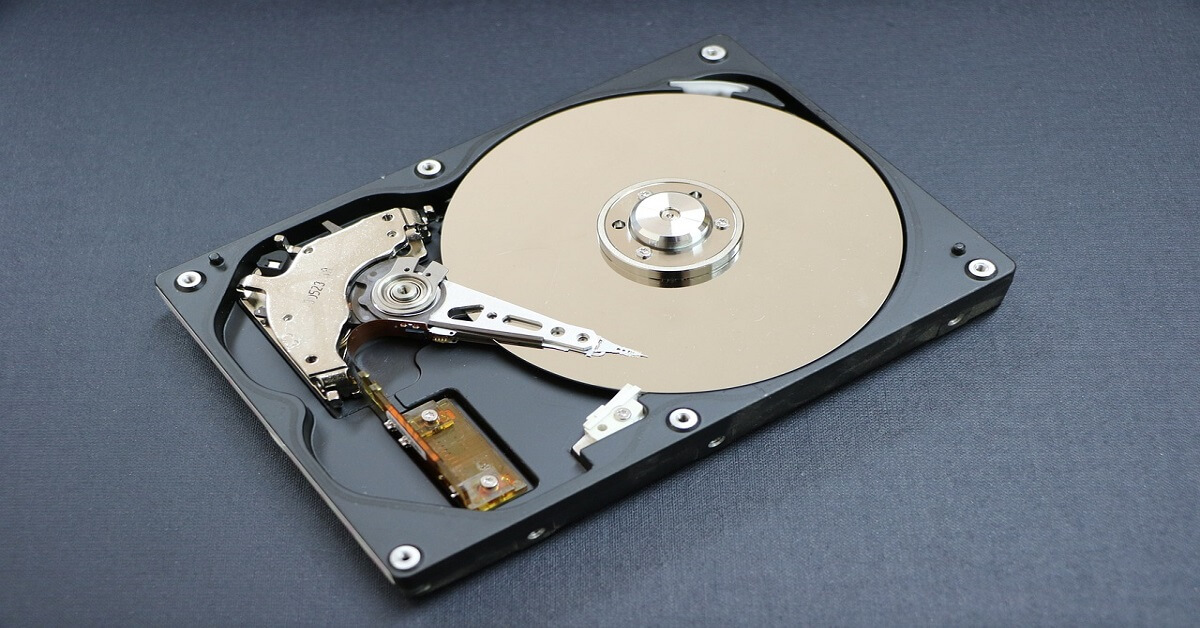
Disk Cleanup is a built-in Windows utility designed to help users reclaim valuable hard drive space. It scans your system for files that are no longer necessary—like temporary files and system clutter—and safely removes them to optimize performance. This handy feature comes standard with Windows, making it accessible to everyone.
The Disk Cleanup tool on Windows is completely safe to use. It avoids touching essential files or installed programs, and only clears out items that are confirmed safe for deletion. You can rely on it to clean your system without causing any harm.
Part 2: Why Use Disk Cleanup This PC?
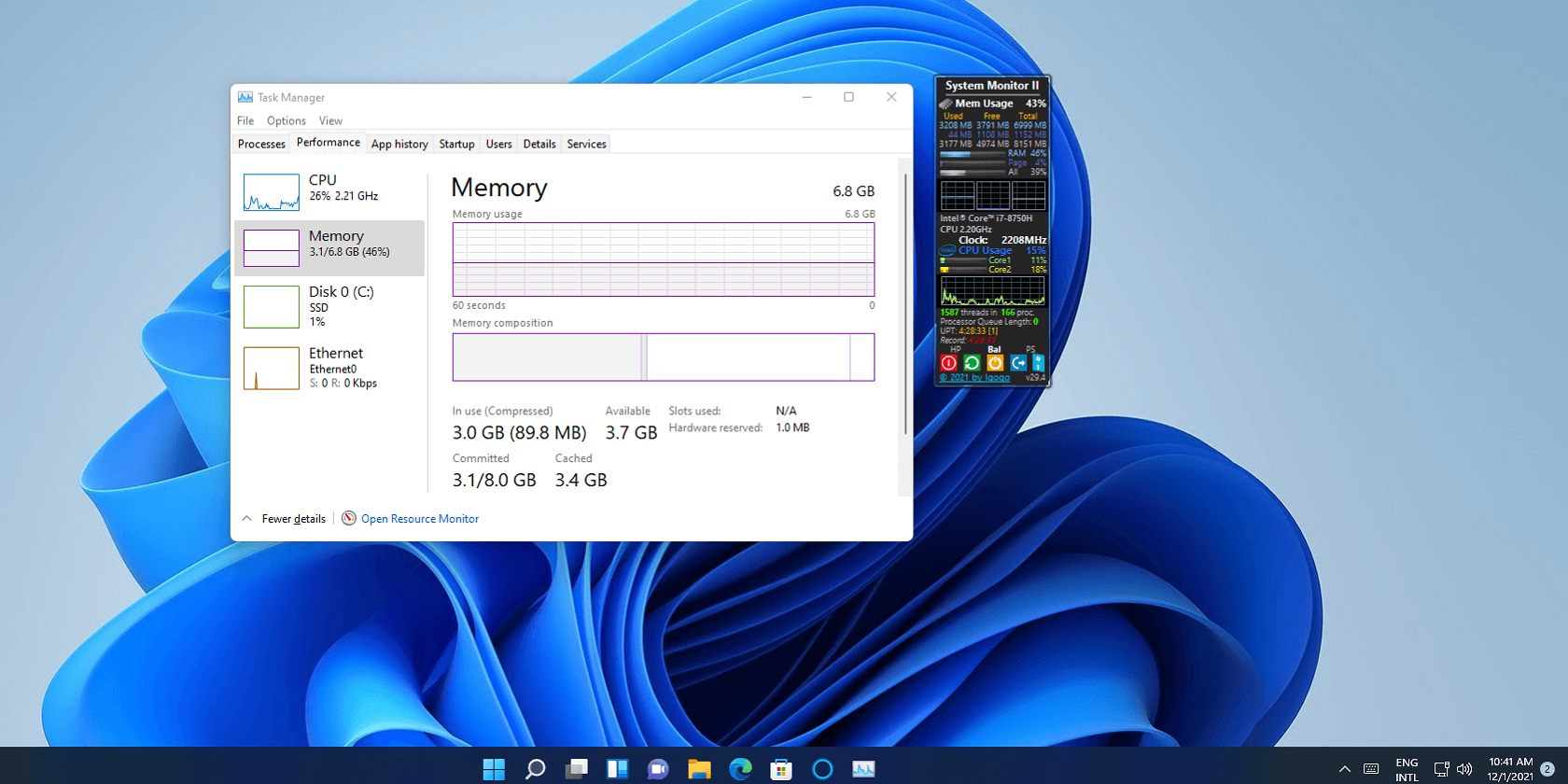
Windows need space to work properly. When your drive gets full, everything slows down.
Here are the main benefits of using Disk Cleanup on this PC:
- Faster computer speed – Removing junk files helps your PC run quicker and smoother
- More storage space – Disk space cleanup frees up gigabytes of wasted storage on your drive
- Better system performance – Your computer works better when it has more free space available
- Improved boot times – Less clutter means Windows starts up faster when you turn on your PC
- Reduced system crashes – A clean system is more stable and crashes less often than a cluttered one
- Enhanced security – Removing old files reduces places where malware can hide on your computer
- Lower maintenance costs – Keeping your disk space tidy with regular cleanups can save you from costly repairs.
- Extended hardware life – Clean computers last longer because they don’t work as hard to function
Part 3: How to Perform Disk Space Cleanup with the Disk Cleanup Tool?
Getting started with disk cleanup on a Windows PC couldn’t be easier. The tool comes pre-installed, so there’s no need to download additional software or spend a dime. Just fire it up and start clearing out unnecessary files to free up space in no time.
The Disk Cleanup tool on your PC makes the cleanup process simple and transparent. It walks you through each step, displaying a list of files marked for deletion so you know exactly what’s on the chopping block. You stay in control by selecting which files to discard and which ones to keep.
Step-by-step process:
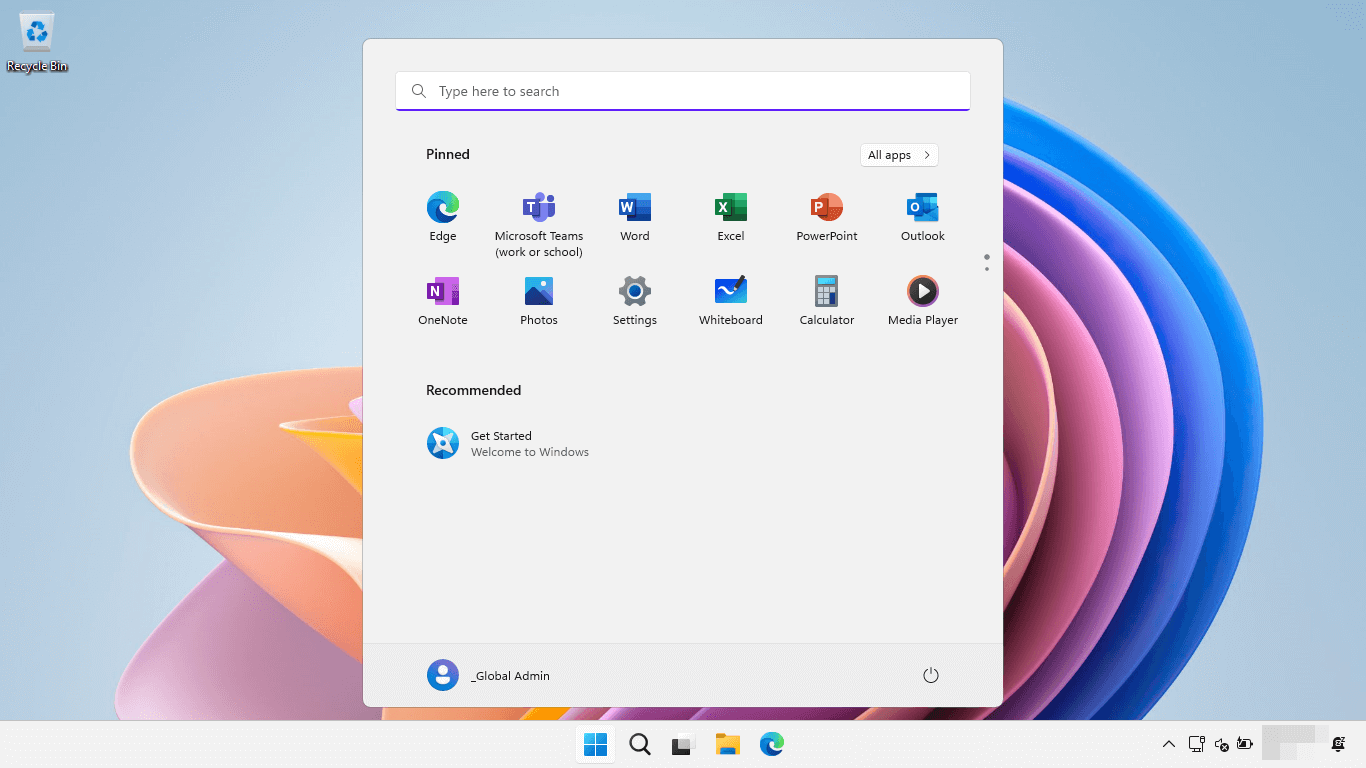
- Open the Start menu – Click the Windows Search at the bottom of your screen. Type “Disk Cleanup”. Hit Enter.

- Click on Disk Cleanup – From the search results, click on the Disk Cleanup tool. Choose the drive you’d like to clean—most often, that’s the C: drive.

- Wait for scanning – Let Disk Cleanup on this computer scan for files to remove. Look through the file list the tool displays. Then, just check the boxes next to the file types you want to get rid of.

- Click “OK” to start – Begin the disk space cleanup process on your computer. Click “Yes” when asked if you want to delete the files. Let the tool finish cleaning your computer’s hard drive
Part 4: Pro Tips to Make the Most of Disk Cleanup This PC Tool
Following these tips makes Disk Cleanup on this computer work better. Your PC will stay clean longer and run faster. These methods save time and give you better results every time.
Advanced tips for better disk space cleanup:
- Clean multiple drives – Use the tool on all your drives, not just the main C: drive
- Empty recycle bin first – Clear your recycle bin before running disk space cleanup for maximum space recovery
- Use Storage Sense – Enable Windows Storage Sense to run automatic disk space cleanup on schedule
- Check Windows Update files – Clean old Windows Update files that take up gigabytes of space
- Remove language packs – Delete unused language files if you only speak one language
Part 5: Common Mistakes to Avoid When Using Disk Cleanup This PC
Many users make simple mistakes with disk space cleanup. These errors can slow down the cleaning process. Some mistakes can even cause problems with your computer.
Common mistakes users make:
- Deleting important downloads – Don’t remove files from the Downloads folder without checking them first
- Skipping system file cleanup – Always use “Clean up system files” for thorough disk space cleanup
- Running other programs – Close all programs before starting Disk Cleanup on this PC for best results
- Ignoring warnings – Read all messages carefully before confirming any deletions during cleanup
- Not checking free space – Always check how much space you’ll gain before running disk space cleanup
- Cleaning too often – Don’t run Disk Cleanup on this computer more than once per week
- Forgetting to restart – Restart your computer after major disk space cleanup sessions for best performance
- Skipping regular maintenance – Don’t wait until your computer is slow to use Disk Cleanup on this PC
Part 6: Different Types of Files Removed by Disk Space Cleanup
Disk Cleanup, this PC removes many different file types. Each type serves a different purpose on your computer. Understanding these files helps you make better cleaning choices.
File types that Disk Cleanup on this computer can remove:
- Temporary files – Short-term files that programs create and forget to delete
- Recycle Bin contents – Files you deleted but haven’t permanently removed yet
- System cache files – Data your computer stores to speed up common tasks
- Windows Update files – Old installation files from system updates you no longer need
- Thumbnails – Small preview images of photos and videos on your computer
- Downloaded program files – Small programs downloaded by websites that you visited
- Temporary Internet files – Web pages and images stored by your browser for faster loading
- Error reports – Files created when programs crash or have problems
Part 7: Troubleshooting Common Disk Cleanup This PC Issues
Sometimes Disk Cleanup on this computer doesn’t work perfectly. You might see error messages or slow performance. These problems have simple solutions that anyone can try.
Solutions for common problems:
- Tool won’t start – Restart your computer and try running Disk Cleanup this PC again
- Scanning takes too long – Close other programs and wait patiently for disk space cleanup to finish
- Not enough space freed – Run the tool as an administrator and select “Clean up system files”
- Error messages appear – Check if your hard drive has enough space for the cleaning process
- Computer runs slowly – Don’t use other programs while Disk Cleanup is running on this computer is running
- Files won’t delete – Make sure no programs are using the files you’re trying to remove
- Tool freezes – Force close the program and restart your computer before trying again
- Permission errors – Right-click Disk Cleanup this PC and choose “Run as administrator”
Part 8: Alternative Tools for Disk Space Cleanup
Windows includes other tools besides Disk Cleanup this PC. These tools can clean different types of files. Using multiple tools gives you better cleaning results.
Other cleaning tools available:
- Storage Sense – Automatic disk space cleanup that runs on schedule without user input
- CCleaner – A Popular third-party tool that cleans more file types than Disk Cleanup on this computer
- Disk Management – Windows tool for managing hard drive space and partitions effectively
- File Explorer cleanup – Manual method of finding and deleting large files you don’t need
- System File Checker – A Tool that fixes corrupted system files that waste space
Part 9: Signs Your Computer Needs Disk Cleanup This PC
Your computer shows warning signs when it needs cleaning. These signs tell you when to run disk space cleanup. Recognizing them early prevents bigger problems later.
Warning signs to watch for:
- Slow startup times – Your computer takes longer to boot up than it used to
- Programs crash often – Software closes unexpectedly or shows error messages frequently
- Low disk space warnings – Windows shows messages about running out of storage space
- Slow file copying – Moving files between folders takes much longer than normal
- Browser runs slowly – Web pages load slowly, even witha fast internet connection
- System freezes – Your computer stops responding and requires a force restart to work again
- Strange noises – The Hard drive makes clicking or grinding sounds during normal use
- Files take forever to open – Documents and programs need much longer to load than before.
Author’s TIP
Run Disk Cleanup this PC tool once a month for best results. Set a reminder on your calendar so you don’t forget. Regular cleaning prevents your computer from getting too slow or cluttered.
Always check what files you’re deleting before clicking OK. Some files might be important to you even if Windows says they’re safe to remove. Look through the list and uncheck anything you want to keep.
Use the “Clean up system files” option for deeper cleaning. This removes more files but takes longer to complete. It’s worth doing every few months to keep your computer running its best.
Conclusion
Disk Cleanup this PC tool is essential for computer maintenance. It removes junk files and speeds up your system safely. Regular use keeps your computer running smoothly for years.
Learning to use disk space cleanup properly saves money and time. You won’t need expensive cleaning software or computer repairs. Your PC will work better and last longer with regular maintenance.
Start using Disk Cleanup on this computer today. Your computer will thank you with faster performance and more storage space. Make it part of your monthly computer care routine for best results.
FAQs
Q: How often should I run Disk Cleanup this PC?
Run disk space cleanup once a month for regular maintenance. If you use your computer heavily, run it every two weeks. This keeps your system clean and running smoothly without taking too much time.
Q: Is Disk Cleanup on this computer safe to use?
Yes, the disk space cleanup tool is completely safe. Microsoft designed it to only remove files that won’t harm your system. It won’t delete important programs or personal files you need.
Q: Can Disk Cleanup this PC recover deleted files?
No, Disk Cleanup on this computer permanently deletes files. Once the disk space cleanup process finishes, you cannot get those files back. Always check what you’re deleting before clicking OK.
Author Bio:
Dinesh Lakhwani 

Dinesh Lakhwani, the entrepreneurial brain behind “TechCommuters,” achieved big things in the tech world. He started the company to make smart and user-friendly tech solutions. Thanks to his sharp thinking, focus on quality and the motto of never giving up, TechCommuters became a top player in the industry. His commitment to excellence has propelled the company to a leading position in the industry.
Popular Post
Recent Post

What Is A Zero-Day Attack And How Can You Defend Against One?
Picture this. A hacker finds a secret crack in your favorite app. You don’t know it’s there. The company that built the app doesn’t know either. But the hacker does. And they use it right away, before anyone can stop them. This is the heart of a zero-day attack. It strikes when a flaw is […]

Iolo System Mechanic PC Cleanup Software: Hands-On Performance Review
PCs feel fast on the first day. Every click is quick. Apps open right away. With time, things slow down. Programs take longer to load. Files open slowly. Fans get loud even during light use. This happens to almost every computer, no matter how careful you are. The reason is clear. Junk files build up […]

Advanced SystemCare PC Cleanup Tool: A Detailed Review
You turn on your PC and wait. And wait. The same laptop that once opened apps in a snap now feels tired. This is not bad luck. It just happens over time. Files pile up. The registry gets messy. Old drivers stay installed long after they are useful. Junk data quietly eats up space on […]
Avast Cleanup PC Cleaner and Optimizer: Everything You Need to Know
A slow computer makes it hard to focus. Programs take too long to open. Free space keeps shrinking until the disk is almost full. This happens to most PC owners at some point. Even new machines can slow down after a while. That is the exact problem cleanup tools are built to solve. They comb […]

Fortect Software Review: The Ultimate PC & Mobile Cleaning, Optimization & Security Tool
Slow computers are a common problem for almost every Windows user. Well, yes! Over time, your PC picks up junk files. These files sit quietly in the background. They take up space and slow things down. Programs open slower. Windows takes longer to boot. Even simple tasks like opening a folder can feel sluggish. There […]
CCleaner PC Optimizer Review: A Complete Guide for Windows Users
If your computer has started to feel slow, you are not alone. Most Windows PCs slow down over time. Junk files pile up. The registry gets messy. Too many apps open when you start your PC. All this adds up and makes even a good machine feel tired. This is where a PC cleaner tool […]
5 Best PC Cleaners for Windows 11 & 10 | Top PC Optimizers
Remember when your PC felt fast? Every click was quick. Every app opened in seconds. Now it feels like a different machine. Windows takes forever to boot. Programs freeze for no reason. Even opening a browser feels like a chore. You are not alone in this. Almost every PC slows down over time. Files pile […]
Auslogics Duplicate File Finder: Full Review and User Guide
A computer quietly gathers clutter over time. This includes duplicate photos, repeated downloads, and forgotten backups hiding in random folders. This buildup slowly eats away at storage and can make even a fast PC feel sluggish. Manually finding and deleting duplicates is tedious. It means checking every folder, comparing file names, and guessing which copies […]
CCleaner Duplicate File Finder: Key Features, Pricing, Step-by-Step Guide and More
Every computer collects junk over time. Right? Well, yes! Photos often get copied twice. Documents get saved in two folders by mistake. Old downloads pile up and never get deleted. This slowly eats up your storage space, and most people do not even notice until their drive is almost full. That is where a duplicate […]