How to Protect Your System from Malware Threats
Last updated on August 20th, 2025 at 6:18 am
The perennial truth behind vulnerable cybersecurity today is the exorbitant threat that arises in the form of malware. Here, the world has seen some serious malware threats in recent years in different forms. These threats include virus attacks, spyware, scareware, Ransomware, rogue software, Trojan Horses, Keyloggers, Rootkits, Worms and lot more.
While malware attacks were limited and new when information technology was in its infancy days now it has become a menace to the cyber world. As technology has evolved so have the malware threats and there is need to protect your system from malware threats.
A lot has been changed in the cyber world since the time some notable malware attacks had appeared. Now Macs are equally vulnerable to virus threats from the time first computer virus was found on a Mac in 1982 called Elk Cloner. Here, Windows are known for their susceptibility towards malware threats and it has definitely increased from the time some noted malware threats including Brain (1986) and Lehigh (1987) appeared.
Further, as the decade progressed, users were now more prone to these malicious threats as malware has become a profit motivated tool for cybercriminals around the world. Now when we know the malware threat is real and looming large, it becomes important to place some reliable counter-measures against this threat.
Ways to Protect Your System from Malware Threats
There are a number of effective steps you can put in place to avoid a cyber threat to your system. It may include some behavior changes or using reliable anti-malware tools and lot more. In this article, we have discussed some of these useful steps to help you protect your system from malware threats.
Update Software
This is the primary and one of the most effective steps that help you keep your system protected against all malware threats. Whenever you update your system software or your applications, it brings you certain bug fixes, security patches, and other useful features.
All these additional features create additional security layer for your system that becomes hard to break. To update software, go to system settings and find for latest updates. You should also be attentive towards update notifications you receive at regular intervals. For applications updates, you should visit the respective app website or their app store.
Source: adedancomptech
Enable Firewall
Firewall comes pre-installed on all systems that help you secure your system from malicious content coming through the Internet. Here, you need to enable Firewall by heading to settings of your system. This simple trick will offer you dual security against malware in addition to reliable anti-malware program on your system.
Source: makeuseof
Use Strong Passwords
This is one of the simplest and effective steps that also work as a preventive measure to protect your system from malware threats. To keep your data safe, you should always prefer strong password for better security.
To do this, you can use strong password with a combination of letters, words, numbers, and special characters. It will not only help you secure your system from malware threats but it will also secure your data from curious onlookers.

Source: michellgroup
Avoid Suspicious Links
This is more like a preventive step that keeps you system security intact. Cybercriminals prefer to spread viruses and malware through malicious links & attachments in emails and through other mediums. Here, they try to dupe you with some attractive offer or ask you for urgency where they force you to click on given link or attachment.
Here, they masquerade that link or attachment with malicious content to infect your device. Thus, it is advisable to avoid suspicious or unknown links & attachments for better security.

Source: appslova
Download from Reliable Sources
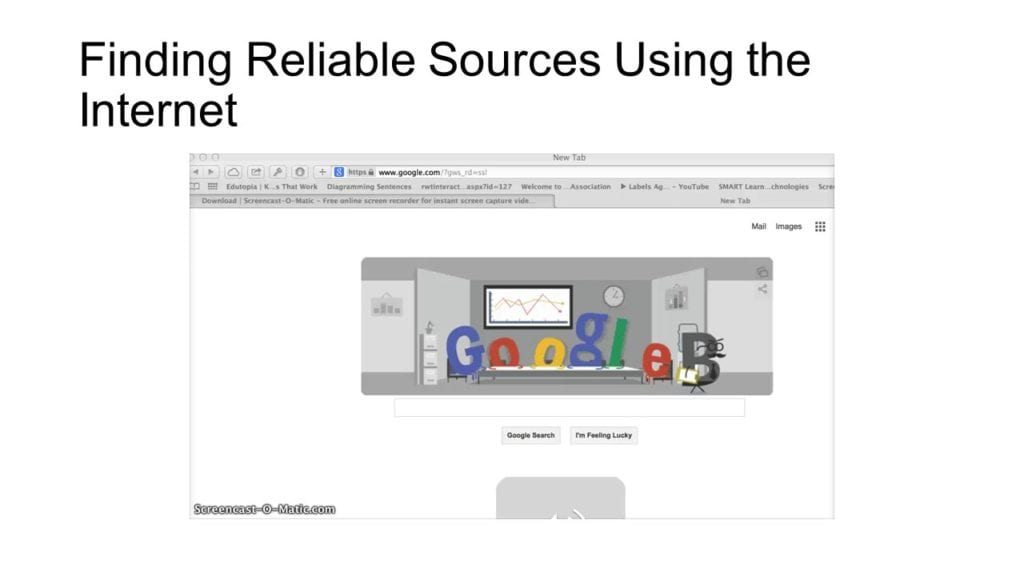
This is another effective step that helps you protect your system from malware threats. Here, you should prefer downloading from official websites or app stores to download any data or application. Further, don’t ever click on random links or attachments that you receive in emails or anywhere else to download apps or files as it could carry malicious content with it.
Source: slideplayer
Install Reliable Security Suite
Once you install reliable security suite on your system in addition to Firewall, it will provide you a complete security against all existing and latest malware threats. These smart tools work on advanced algorithms to find and remove all malicious content from your system and quarantine it for better performance.
Here, you can check for better reviews before you download and install any anti-malware software on your system.
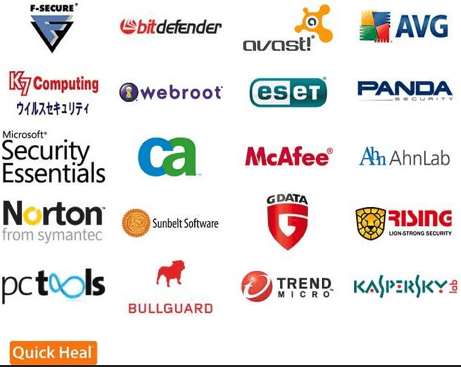
Source: topsecuritysoftware
Avoid Open Network
This is another effective step to protect your system from malware threats. Here, open or free Wi-Fi network may sound attractive deal but it carries its own threats and limitations.
Here, it is absolutely easy to break your system security with small piece of malicious code on the open network. Thus, we suggest you to avoid using free Wi-Fi or open network to share or download sensitive and important data.

Source: trangcongnghe
Enable Guest Account
Cybercriminals try to access administrative privileges on your system through malware attacks to make changes or break the security of your system. When you use your primary account with administrative privileges for all the work it becomes prone to cyber threats all the time.
Here, we suggest you enable secondary account for daily work in addition to guest account for people who share your system.
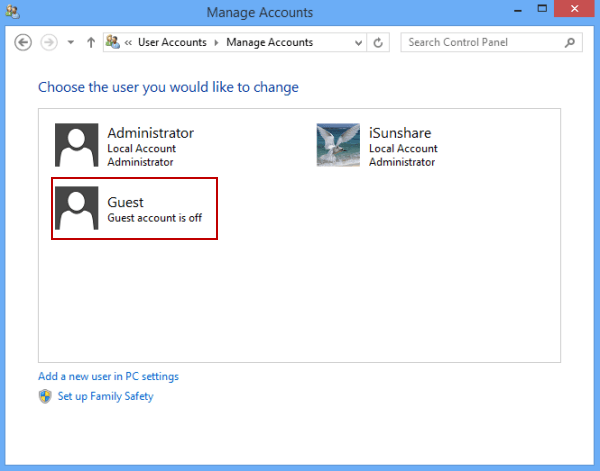
Source: isunshare
Disconnect from Network
No matter you have tried your best to protect your system from malware threats, in case your system is under attack, the first thing you should do is to disconnect from the network.
It will block malware content spreading on your system and affecting other devices. Once you come to know you are under attack, you should be quick to disconnect your system from the network for better security.

.
Source: modworkshop
Data Backup
Data backup is the best solution to all the problems you could face on your system including sudden crashes, malware attacks or anything else. Here, we suggest you keep a second copy of your data on other location preferably external hard disk/USB stick etc. For better security, you can also try data backup on secured online platforms.
While searching for best online backup tools, you should check whether the tool offers you encryption services or not. Here, you should prefer encryption based password protected online backup tools for better security.
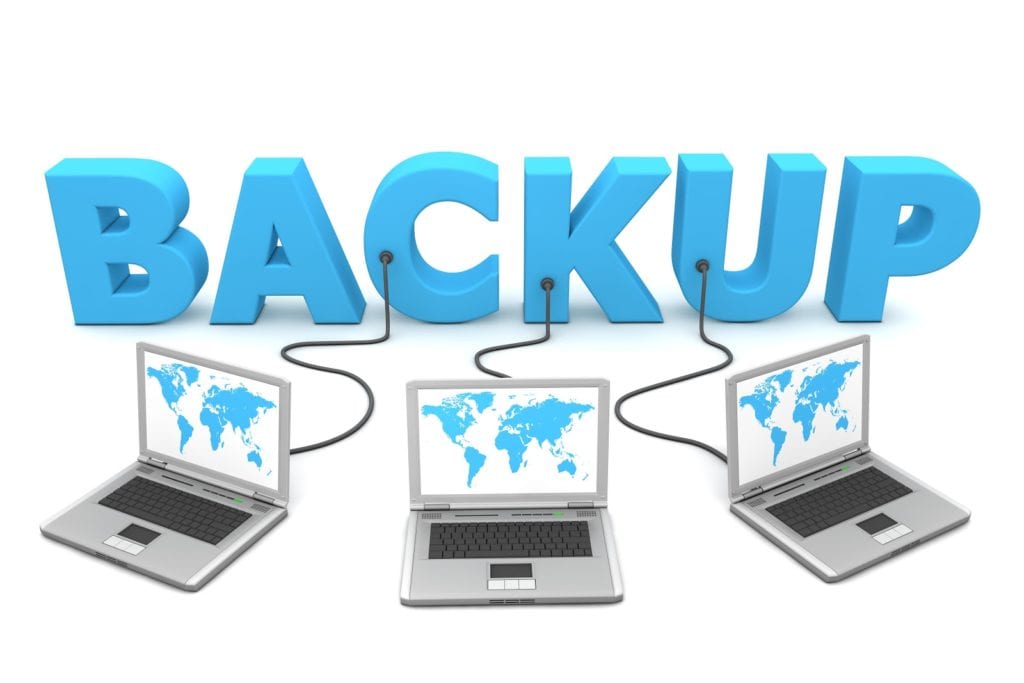
Source: compushiponline
Conclusion
While there could be numerous other ways to protect your system from malware threats, here we have tried to discuss most effective ones. If you know more of these steps, feel free to comment below.
Author Bio:
Dinesh Lakhwani 

Dinesh Lakhwani, the entrepreneurial brain behind “TechCommuters,” achieved big things in the tech world. He started the company to make smart and user-friendly tech solutions. Thanks to his sharp thinking, focus on quality and the motto of never giving up, TechCommuters became a top player in the industry. His commitment to excellence has propelled the company to a leading position in the industry.
Popular Post



Recent Post
How to Switch Windows 10 to a Local Account: Complete Guide
Windows 10 allows users to sign in with either a Microsoft account or a local account. When you set up a new computer, the system often suggests using a Microsoft account. This account connects your device to Microsoft services such as Outlook, OneDrive, and the Microsoft Store. It also syncs settings, themes, and passwords across […]
How To Change Default Apps For File Types In Windows
Windows is designed to make using your computer easy. One way it does this is by assigning default apps to different file types. This means when you open a file, Windows automatically opens it with a specific program. For example, photos may open with Photos, music with Groove Music, and PDFs with Edge. These default […]
How To Adjust The Mouse Pointer Speed: Complete Guide
Using a computer every day means you use the mouse a lot. The mouse pointer moves on the screen and helps you click, scroll, and select items. Many people never think about the speed of the mouse pointer. They have used the default setting for years. This can cause small problems over time. A slow […]

How to Change Mouse Scrolling Settings In Windows
A mouse is one of the most used computer tools. People use it every day. They scroll through emails. They scroll through documents. They scroll through websites and images. The movement becomes automatic. Most users do not notice it. That is why problems often go unnoticed. Scrolling problems show up slowly. At first, it feels […]

Keyboard Light Settings: Keyboard Lighting Control [Complete Guide]
Keyboards are no longer simple typing tools. Well, yes! Over time, they have evolved to include features that improve comfort, visibility, and overall experience. One of the most useful features today is keyboard lighting. It helps users work comfortably in low-light conditions. It also reduces strain when typing for long hours. Many users first notice […]

Customizing Pointer Appearance: Complete Guide
The way your mouse pointer looks on your computer may seem like a small detail. But customizing pointer appearance can make using your PC more comfortable and visually appealing. Many users do not realize that they can change the pointer size, color, and style to fit their needs. Whether you want a bigger pointer for […]
How To Choose a Computer Monitor: Monitor Buying Guide
Buying a monitor looks easy. Many people think all screens are the same. That belief causes regret later. A monitor is not just a display. It is a daily tool. You read on it. You work on it. You relax with it. Small problems become big over time. Poor brightness hurts eyes. Bad size causes […]

How To Get Help With File Explorer in Windows 11 [Complete Guide]
File Explorer is one of the most important tools in Windows 11. It is used to open folders, view files, and manage stored data. Almost every action on a Windows computer depends on it in some way. When users open documents, save downloads, or organize photos, File Explorer is always involved. Because it is used […]

How To Fix A Frozen Computer: Complete Guide [Windows 11/10]
A frozen computer is one of the most common problems Windows users face. The screen stops responding. The mouse pointer does not move. Keyboard inputs do nothing. You may hear the fan running loudly. Sometimes the system looks alive, but nothing works. This situation often happens when you are busy or working on something important. […]
How to Upgrade Computer RAM: Complete Guide
Upgrading RAM is one of the simplest ways to improve a computer. It helps the system feel faster and smoother. Apps open quicker. Browsers handle more tabs. Games and tools run with less delay. Many users search for how to upgrade computer RAM because it gives real results without high cost. You do not need […]