



So, search for a pair of shoes once online. Close the tab. By evening, those same shoes are sitting on your news site, your video app, and even your recipe blog. Nobody placed them there by chance. A cookie did. Well, yes! Cookies are small files that websites place on your device while you browse. […]
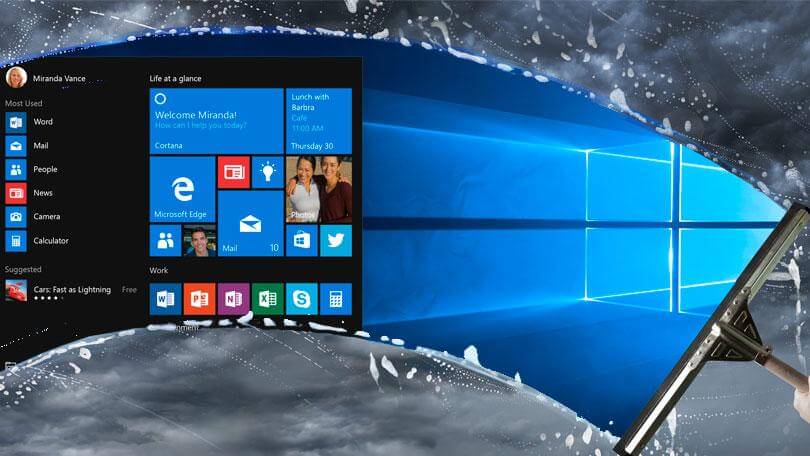
How to Fix Start Menu not Working in Windows 10
Recently, due to Windows 10 Fall Creators Update version 1709, many users have faced that the Start Menu is not working at all. Sometimes, there may be other reasons too. When this type of problem occurs the first thing ping to our mind is that this might be the worst Operating System. But that’s not true, this is one of the best Operating Systems we have ever used. Also, you don’t need to worry because there are several ways to fix this problem.
Why Does the Start Menu Stop Working?
The Start Menu is a key part of Windows 10. When it stops responding, simple tasks become difficult. This issue can happen due to system glitches, outdated files, or software conflicts. Understanding the reasons helps you fix it faster and avoid repeat problems.
- Corrupt system files
Damaged Windows files can break core features like the Start Menu. - Pending Windows updates
Missing updates may cause bugs that affect system performance. - Software conflicts
Some third-party apps interfere with Windows processes. - Background process errors
Important services like Explorer may stop working properly. - Corrupt user profile
A damaged user account can prevent the Start Menu from loading. - Virus or malware issues
Harmful programs can disrupt normal system behavior. - Too many startup programs
Heavy startup load can slow down or freeze system features. - Broken Windows apps
Default apps connected to the Start Menu may stop functioning.
Precautions Before Fixing the Issue
Before trying any fixes, take a few basic steps. These precautions protect your data and prevent further problems. A careful approach saves time and avoids mistakes.
- Create a system restore point
This gives you a safe backup of your system settings. If anything goes wrong during the process, you can easily return to the previous state without much trouble. - Back up important files
Save your important documents, photos, and data to another location. This protects your files in case something unexpected happens while fixing the issue. - Close all running apps
Shut down all open programs before starting. This helps avoid interruptions and ensures the system can focus on the repair process. - Check for malware
Run a quick scan using a trusted antivirus tool. This helps you rule out any hidden threats that may be causing the problem. - Keep your system charged or plugged in
Make sure your device has enough power. A sudden shutdown during updates or fixes can lead to more serious issues. - Use a stable internet connection
Many solutions require downloading updates or tools. A steady connection ensures the process completes without errors. - Note your system settings
Take note of important settings before making changes. This makes it easier to restore them if anything changes during the process. - Avoid random tools or downloads
Do not use unknown software from untrusted sources. Stick to official or well-known methods to prevent further problems.
Start menu not working in Windows 10?
Don’t stress your nerves, there are several ways to resolve the Start Menu not working crisis-
1. Re-login into your account
If the Start Menu is not working then this method is one of the best and quickest methods to apply.
Steps to Re-login into your account: –
- Press the Ctrl + Alt + Del buttons simultaneously.
- Tap on Sign Out
- Press Ctrl + Alt + Del key combination again and insert your credentials (if any).
- You will log in again and your problem should be solved.
2. Create a new local account
This method could possibly end your trouble. But before heading with this method you should always back up your settings and files.
Steps to create a new local account: –
- Right-click on the taskbar and select Task Manager.
- Then click on File and tap on ‘Run new task’
- A dialog box appears saying ‘create new task’
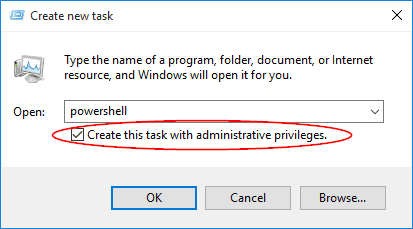
- Type in ‘Powershell’ and put a check mark on ‘Create this task with administrative privileges’.
- Click on the OK button.
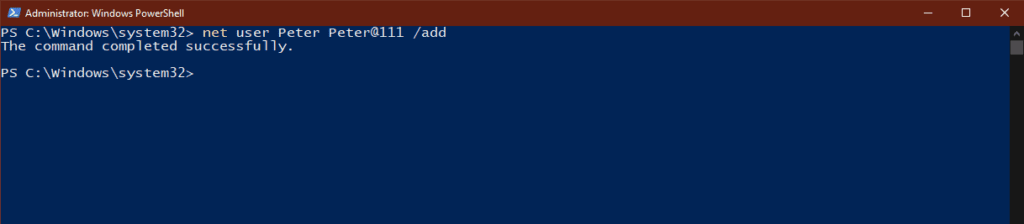
- On the Powershell Window, insert net user NewUsername NewPassword /add in the box.
- Restart your computer.
- Log in with the new user ID and password created.
3. Uninstall third-party antivirus software
In your system, if the Start Menu is not working appropriately then you should perhaps uninstall third-party malware software. To do so, the user needs to follow these steps: –
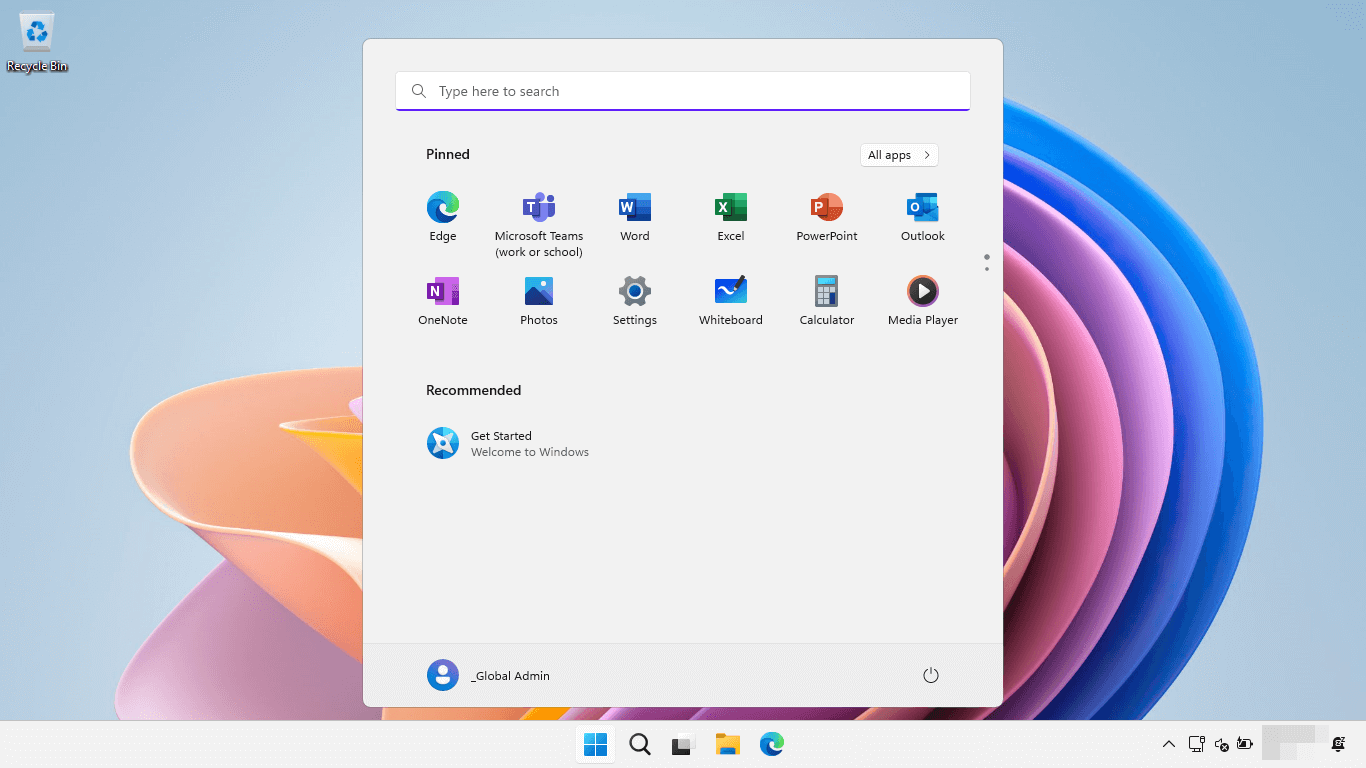
- Go to the Start Menu.
- Then, click on Setting > Apps > Apps and Features.
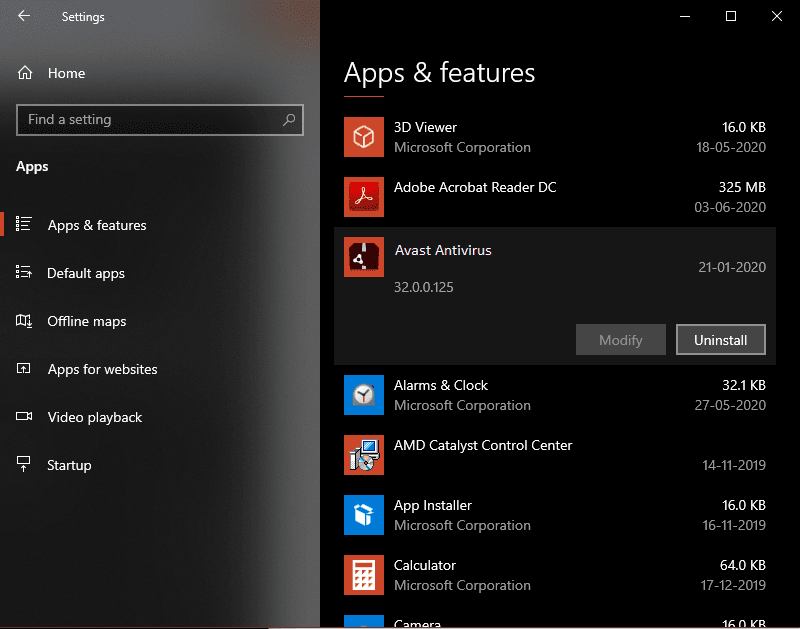
- Click on the Uninstall button to uninstall your installed antivirus.
- Check if the problem is fixed or not.
4. Launch a hidden Taskbar
We can apply this solution when the Windows button is not working or it is not visible on the taskbar or the whole taskbar is not visible.
Steps to launch a hidden taskbar-
- Press the Windows logo button and ‘I’ together.
- Tap on Personalization > Taskbar.

- Click on ‘Lock the Taskbar’ option.
- Also, check on ‘Automatically hide the taskbar’.
- Check if the Windows button is working or not.
5. Restart Windows Explorer
Restarting the Windows Explorer is one of the smart moves to fix the start menu not working in Windows 10 bug.
Steps to Restart Windows Explorer
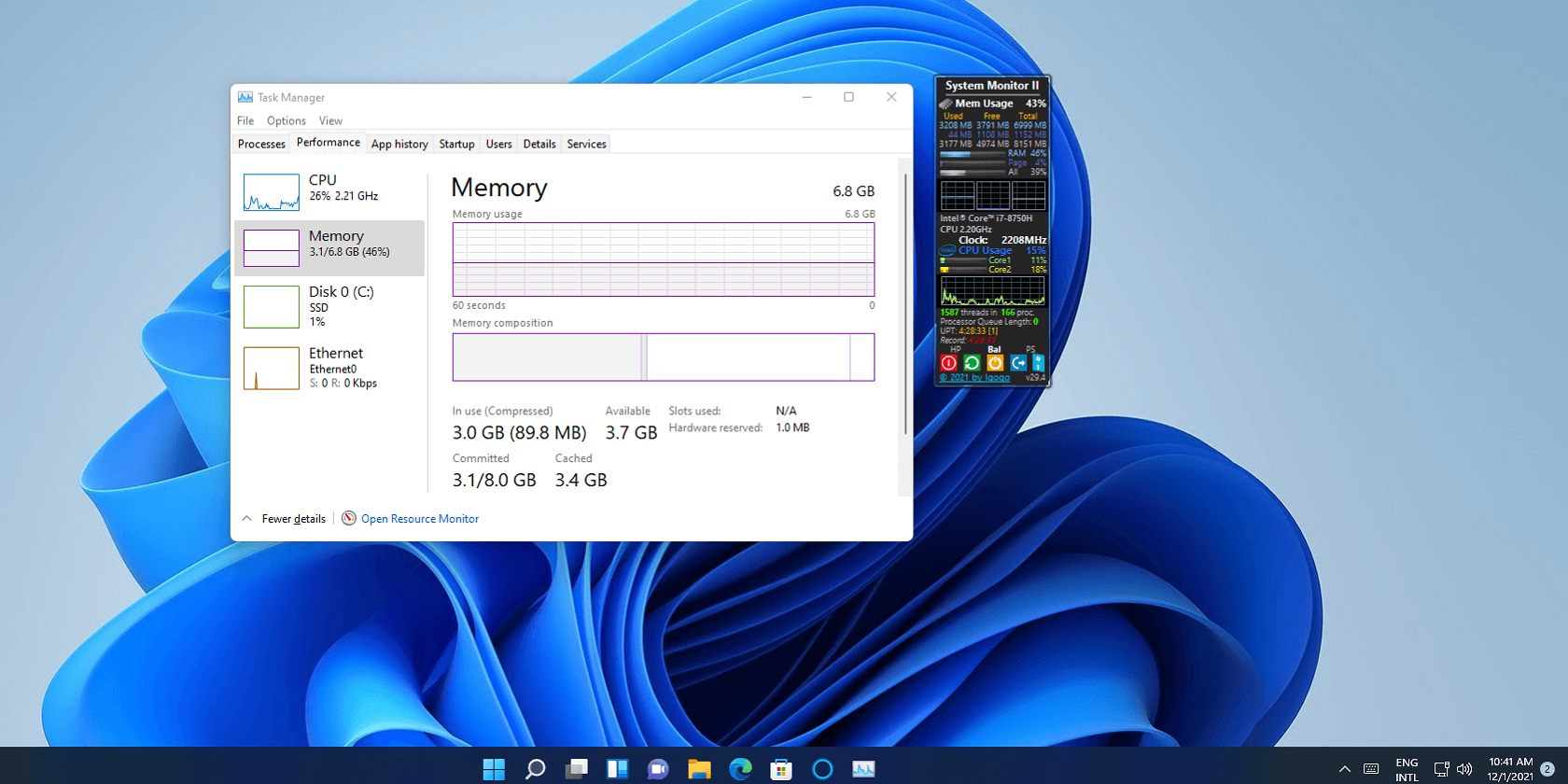
- Simultaneously, press Alt + Shift + Esc keys to open Task Manager.
- Tap on more details if it is collapsed.
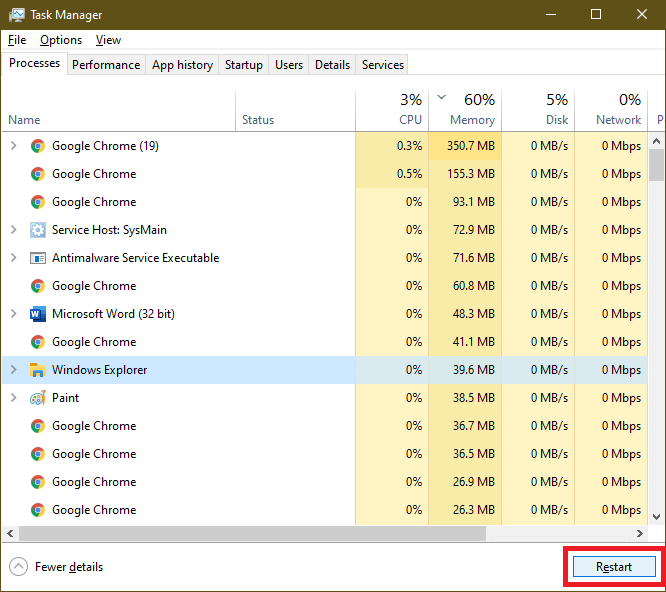
- Select the ‘Processes’ tab on the top of the window.
- Select ‘Windows Explorer’ and then click on the ‘Restart’ button.
- After completion of the process, close the Task Manager.
6. Update Drivers
Sometimes, the start menu not working problem emerges when the drivers of your PC get outdated. So, to fix this problem, update the graphics and audio drivers.
Steps to update drivers
- Open device manager, through the taskbar search box or you can press (Win + R), type ‘devmgmt.msc’, and press enter.
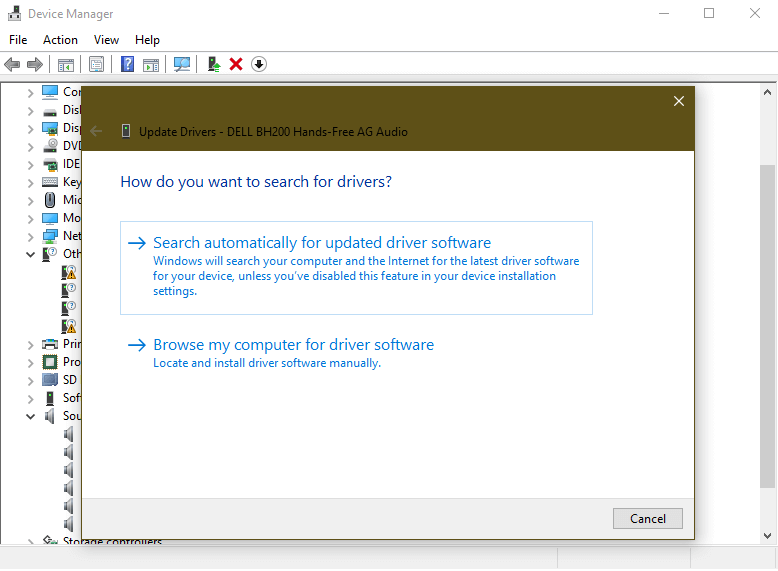
- Right-click Sound, video and game controllers category from the list and right click on the device to select Update Driver.
- Tap on Search automatically for updated driver software to let Windows search and install all latest driver updates on your PC automatically.
- Alternatively, select Browse my computer for driver software and locate and install driver software manually from your device storage.
Note: Before you browse for the latest driver software on your PC, you need to download it from the manufacturer’s website.
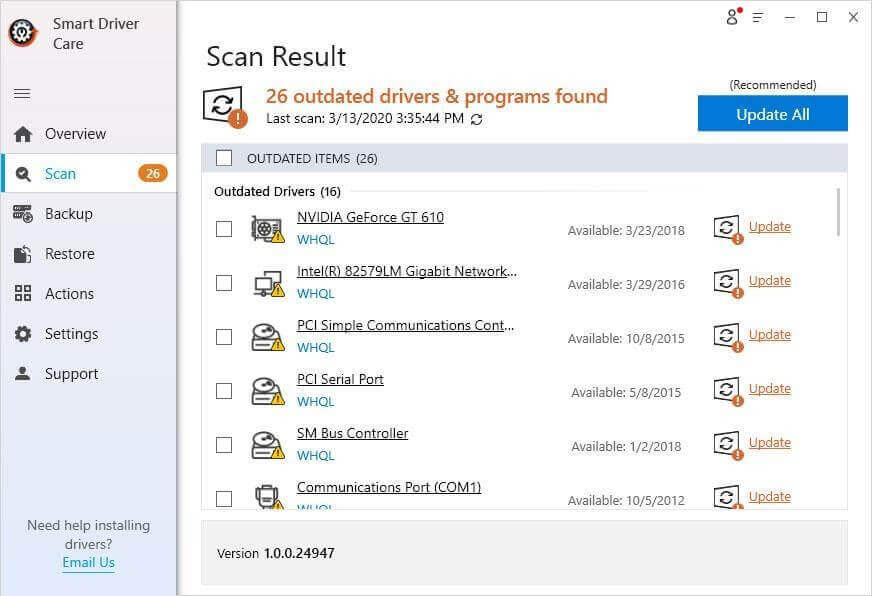
If you can’t find an updated driver, you can also try using Smart Driver Care to update all outdated drivers automatically.
7. Restart Your Computer
After updating your computer’s drivers, if the problem is still unsolved then you should probably try to restart your device. This is one of the basic methods to fix any issue. To restart your PC, press Alt + F4 simultaneously or Click on the Start button and click on the ‘Power’ option. Then select the restart option from the dropdown menu to restart your computer.
8. Run SFC SCANNOW
The next option is one of the most preferred options. SFC SCANNOW is a System File Checker command that fixes corrupt files and settings and restores the computer in proper state.
- Press (Win + R) to open the Run command box.
- Type ‘CMD’ and press enter to open the command prompt.
- Type SFC SCANNOW and press enter.
- You can also try another command DISM/ONLINE /CLEANUP-IMAGE /RESTOREHEALTH
- to scan and restore a healthy image of the computer. This command enables the Deployment Imaging and Servicing Management (DISM) tool. DISM Online Cleanup command can fix errors
that even SFC command couldn’t fix.
9. Reset Your Device
If none of the above methods worked to fix your Start Menu problem, then you should Reset your PC. This is the most effective solution to solve this issue. This feature will delete all your saved files, apps, and settings. Hence, we recommend you take a backup before doing so. In Windows 10, you can reset your system by using Recovery options.
Author’s Tip
Start with the simplest fix and move step by step. Many users rush into advanced solutions and end up creating more confusion. A restart or a quick system update often solves the problem. Keep your approach steady and test one method at a time. This helps you find what actually works.
It is also important to maintain your system regularly. Clean unnecessary files, update Windows, and remove unused apps. These small habits reduce the chances of such issues in the future. A well-maintained system performs better and stays stable for longer periods.
Conclusion
The Start Menu not working in Windows 10 can feel frustrating, but in most cases, the issue is easy to fix. The problem usually comes from minor system errors, outdated files, or simple conflicts. Once you understand the cause, you can apply the right solution without stress.
Regular maintenance plays a big role in preventing such issues. Keep your system updated, avoid overloading it with unnecessary apps, and check for errors from time to time. These small steps keep your system smooth and reliable, so you face fewer problems in daily use.
FAQs
1. Can restarting fix the Start Menu issue?
Yes, a simple restart often fixes this problem. It refreshes system processes and clears small errors that may stop the Start Menu from working properly. This should always be your first step before trying anything else.
2. Will I lose data while fixing this issue?
No, most fixes do not affect your personal files or data. Your documents, photos, and apps usually remain safe. Still, it is a good habit to keep a backup before trying advanced steps, just to avoid any risk.
3. How do I know if a virus caused this problem?
You may notice signs like slow performance, unwanted pop-ups, or unknown apps on your system. These can point to malware. Running a full system scan using a trusted antivirus tool can help detect and remove the issue.
Author Bio:
Dinesh Lakhwani 

Dinesh Lakhwani, the entrepreneurial brain behind “TechCommuters,” achieved big things in the tech world. He started the company to make smart and user-friendly tech solutions. Thanks to his sharp thinking, focus on quality and the motto of never giving up, TechCommuters became a top player in the industry. His commitment to excellence has propelled the company to a leading position in the industry.
Popular Post
Recent Post
How To Disable Background Apps In Windows: 4 Quick Methods
A slow PC rarely gives a warning. One day, it simply takes longer to start. Apps open late. The fan runs loud, even when the screen is almost empty. Most people blame old hardware. Often, that is not the real reason. The real reason is hiding in plain sight. Windows keeps many apps active in […]
How to Activate Windows with a Product Key for Windows 11 & Windows 10
It always shows up at the worst time. You are halfway through a report, or about to join a video call. Then you spot it in the bottom right corner of the screen. Activate Windows. Go to Settings to activate Windows. Initially, an unactivated copy of Windows may seem like a minor inconvenience. Over time, […]
Is Easy Duplicate Finder Worth It? Honest Review
The photos folder looked normal at first glance. Then the storage warning popped up. One trip photo appeared four times. A tax PDF sat in three different folders. Two old setup files were still in Downloads, and each one was over 500 MB. Nobody plans this mess. Copies pile up slowly. A download runs twice. […]
Wise Duplicate Finder Review: Real Results from Wise Duplicate Finder
Read my honest Wise Duplicate Finder review. See features, pricing, pros and cons, and real PC test results. Find out if this free duplicate cleaner can free up your Windows storage.
How to Recover Deleted Files from Pen drive, USB Drive, SD Card
Introduction: On tech forums, you’ll often see posts like this: “I connected my pen drive to my laptop this morning, but the folder was empty. All my college project files had vanished. I don’t have a backup. Can someone help me?” Stories like this are very common. Pen drives, USB drives and SD cards are […]

How To Recover Files Deleted from the Recycle Bin [Windows 11]
Losing a file can happen in seconds. You clear your desktop, hit Delete, and empty the Recycle Bin. Then, just when you need that file again, it seems to have vanished. This guide will walk you through ways to restore files removed from the Recycle Bin. We will begin with simple fixes, then look at […]
Disk Drill Data Recovery Tool Explained: Full Review and Guide
It happens in a split second. You delete a folder by mistake. Your drive stops showing up. A photo album from your last trip just vanishes. And your stomach drops. Lost files feel personal. They are not just data. They are memories, work hours, and sometimes years of effort packed into a few gigabytes. When […]
Recover Deleted Files In Windows 11 With Software & Without
Introduction What is the first thing that goes through your mind the second an important file vanishes from a Windows 11 PC? For most people, it is a mix of panic and disbelief, followed by a frantic click through every folder that file could possibly be hiding in. It happens in a split second: one […]
EaseUS Data Recovery Wizard: Everything To Know
Data loss does not always come from a big disaster either. Most cases start small and boring. A drive gets formatted by mistake. A laptop freezes mid-save and restarts on its own. A memory card stops showing up after being pulled out too fast. None of these feel like emergencies at first, until you realize […]