



So, search for a pair of shoes once online. Close the tab. By evening, those same shoes are sitting on your news site, your video app, and even your recipe blog. Nobody placed them there by chance. A cookie did. Well, yes! Cookies are small files that websites place on your device while you browse. […]
How to Fix Game Stuttering on a Windows PC
Introduction:
Are you an avid gamer who is tired of experiencing frustrating game stuttering on your Windows PC? We’ve all been there – just as you’re about to dive into an intense gaming session, your game freezes, stutters, and interrupts your immersive experience. But worry not! In this comprehensive guide, we’ll explore the world of game stuttering, uncover its underlying causes, and equip you with proven techniques to fix this nuisance and regain smooth gameplay on your Windows PC.
Game stuttering can stem from various factors, including hardware limitations, software conflicts, outdated drivers, and suboptimal system settings. But fear not, as we’re here to walk you through step-by-step solutions that will help you eliminate game stuttering once and for all.
What Causes Game Stuttering on High End PC?
When you have a high-end PC, you expect nothing but seamless gaming performance. However, stuttering can still occur due to certain hardware limitations. Overheating components, inadequate RAM, and slow storage devices can all contribute to performance bottlenecks and hinder smooth gameplay experiences. Here are some of the most common causes:
Overheating Components: If your CPU or graphics card overheats, it can lead to performance throttling, causing stuttering or lags. Ensure proper cooling by cleaning dust from fans, improving airflow within your system, or considering additional cooling solutions like liquid cooling.
Outdated Drivers: Graphics card drivers play a vital role in optimizing gaming performance. Outdated drivers can cause compatibility issues and hinder smooth gameplay.
Insufficient RAM: Gaming on a high-end PC often requires a substantial amount of RAM to handle the game’s data and processes efficiently. If you have inadequate RAM, your system may struggle to keep up, resulting in game stuttering.
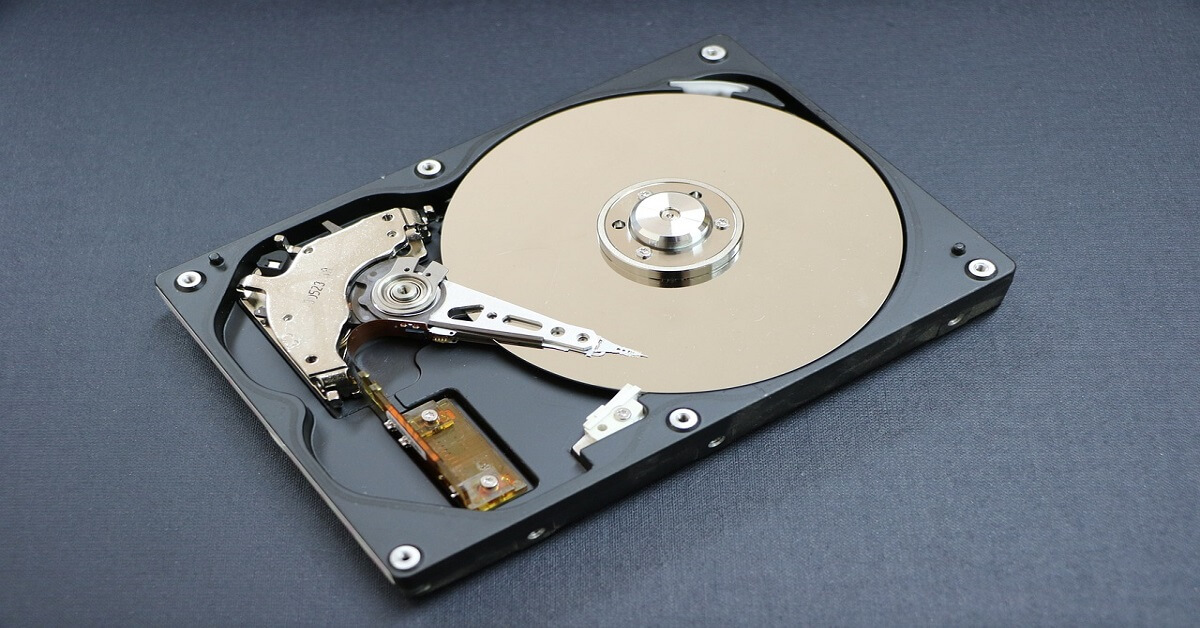
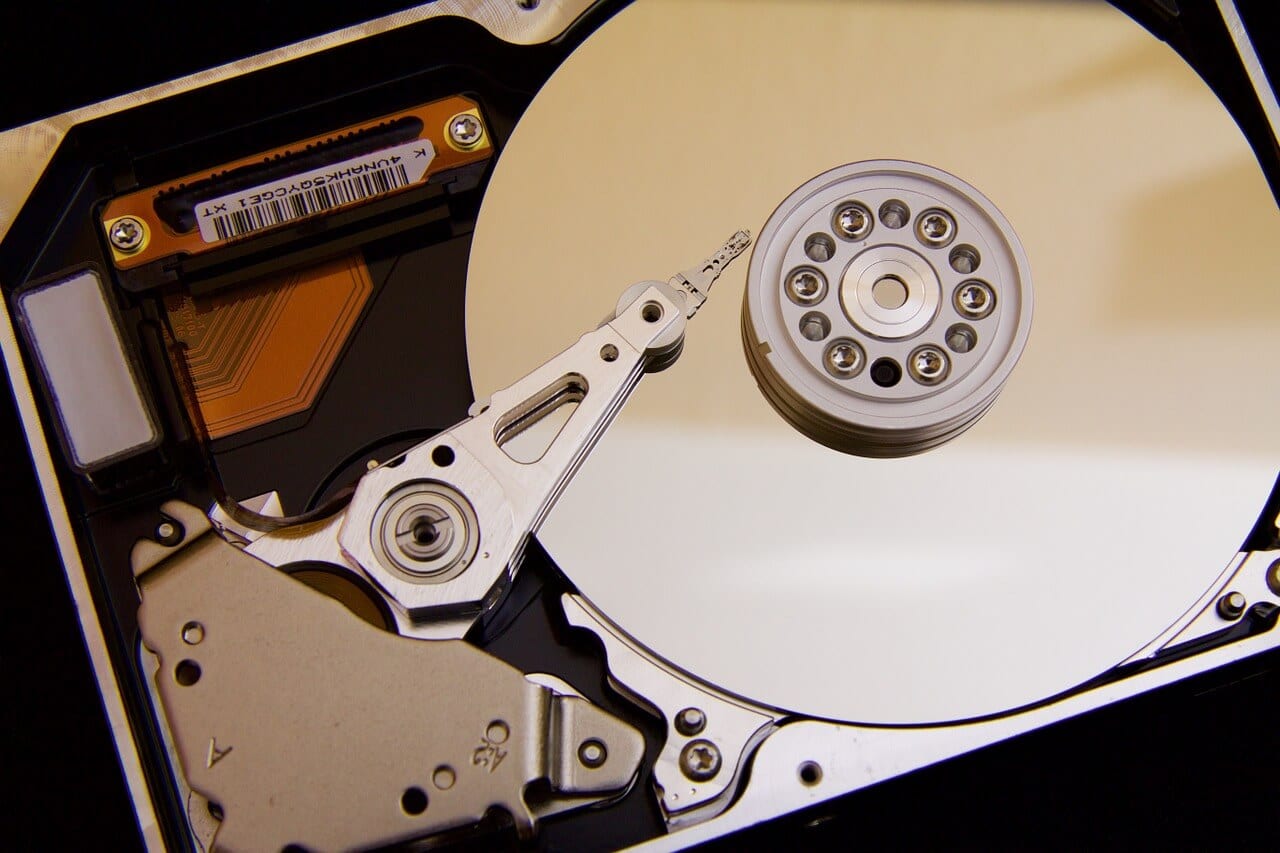
Slow Storage Devices: The speed of your storage devices, such as hard drives or solid-state drives (SSDs), can impact game loading times and overall performance. If you’re using a slow or fragmented hard drive, it may struggle to read and write data quickly, leading to stuttering.
How to Fix Game Stuttering on Windows?
Solution 1: Avoid Using Recording Tools
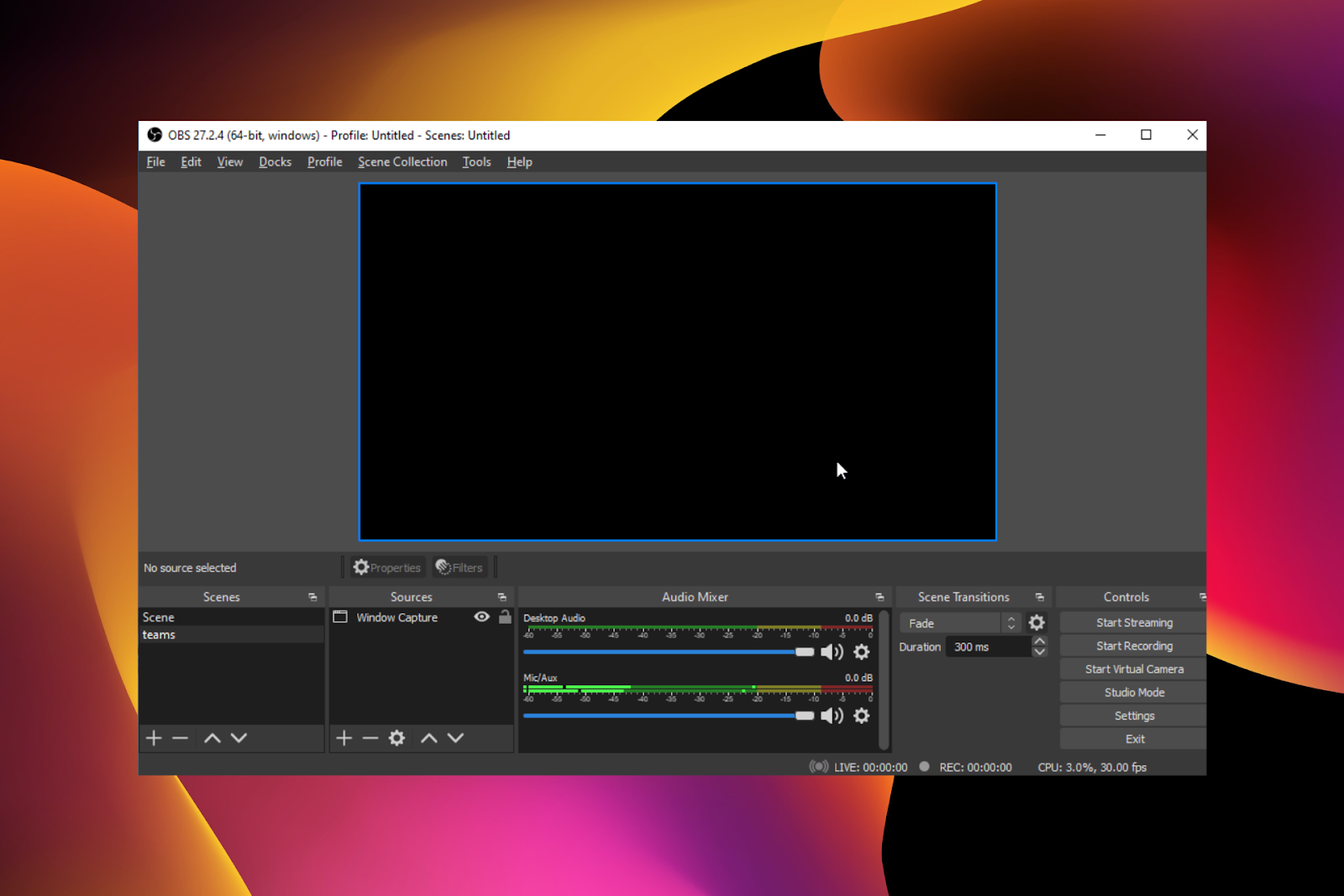
One common cause of game stuttering on Windows is the use of recording tools that capture gameplay footage or screenshots in real-time. While these tools can be useful for content creation or sharing gaming moments, they can consume significant system resources and introduce performance issues. To fix stuttering, try avoiding or temporarily disabling recording tools while playing games. This can free up system resources and improve overall game performance.
If you still want to record your gameplay, consider using lightweight recording software or experimenting with different settings to minimize the impact on system performance. Some software allows you to adjust recording quality, frame rates, or encoding options, which can help reduce the strain on your system and alleviate game stuttering on high end PC.
Solution 2: Disable Game DVR
Another potential solution to fix stuttering on Windows is to disable the Game DVR feature. Game DVR is a built-in feature in Windows 10 that allows you to record gameplay and take screenshots. While it can be handy, it may consume system resources and cause game stuttering. Here is how you can disable it:
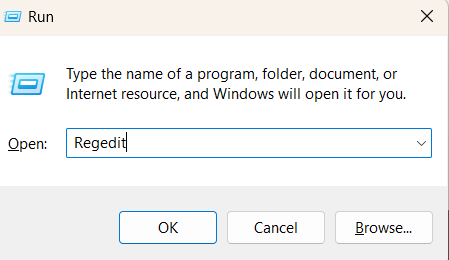
Press the Win + R key combination to open the Run dialog box. Type “Regedit” and hit Enter.
In the Registry Editor window, navigate to the following path:
Computer\HKEY_CURRENT_USER\System\GameConfigStore
Open the Registry key named “GameDVR_Enabled”. Enter “0” in the Value Data field to disable Game DVR on Windows.
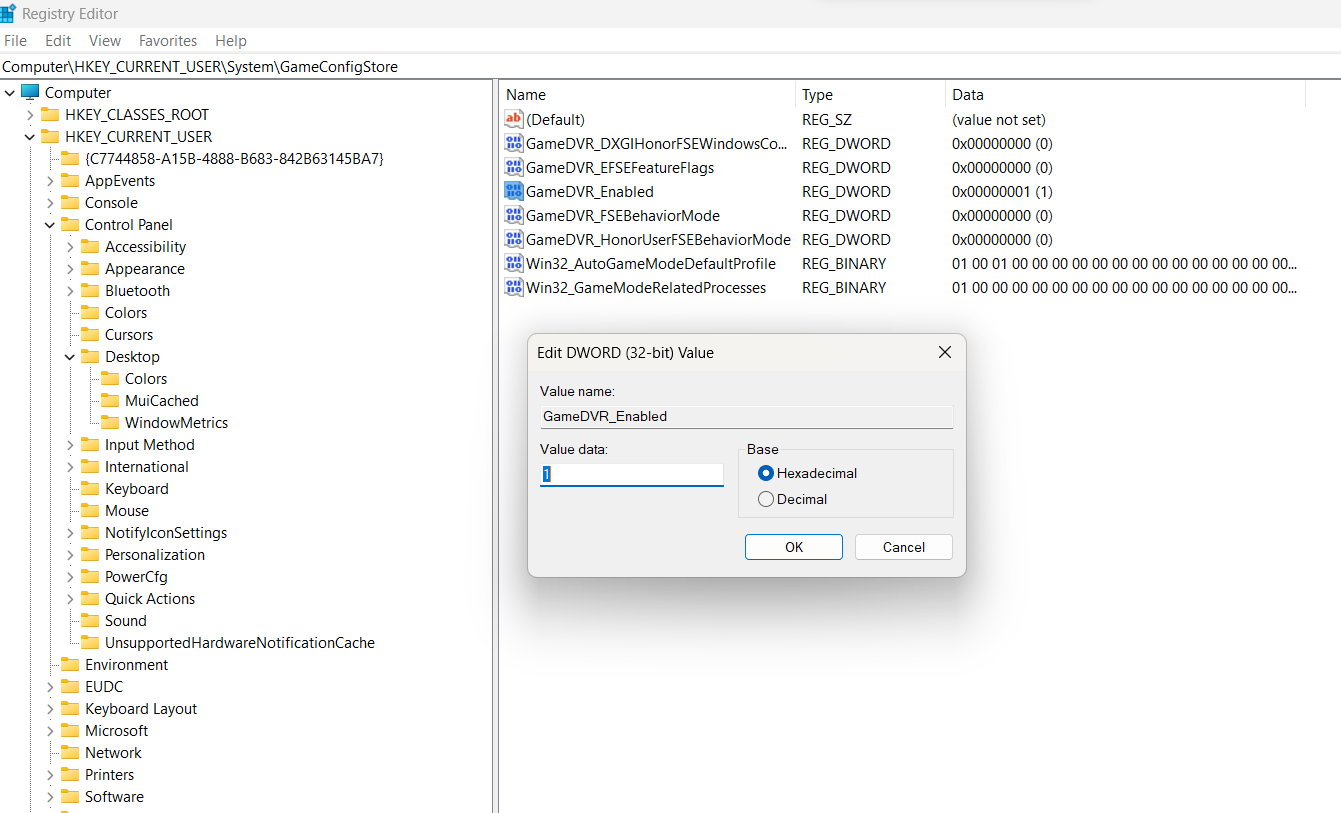
Reboot your device and check if the stuttering issues were resolved.
Solution 3: Close Resource Intensive Applications
Sometimes, stuttering can be caused by resource-intensive applications running in the background and hogging your system’s resources like CPU, RAM, and disk usage. These applications take up valuable processing power and can significantly impact your game’s performance.
To resolve stuttering, it’s recommended to close or disable these resource-intensive applications before launching your game. By freeing up system resources, you give your game a better chance to run smoothly without any annoying stutters.
Solution 4: Mark the Game As High Priority
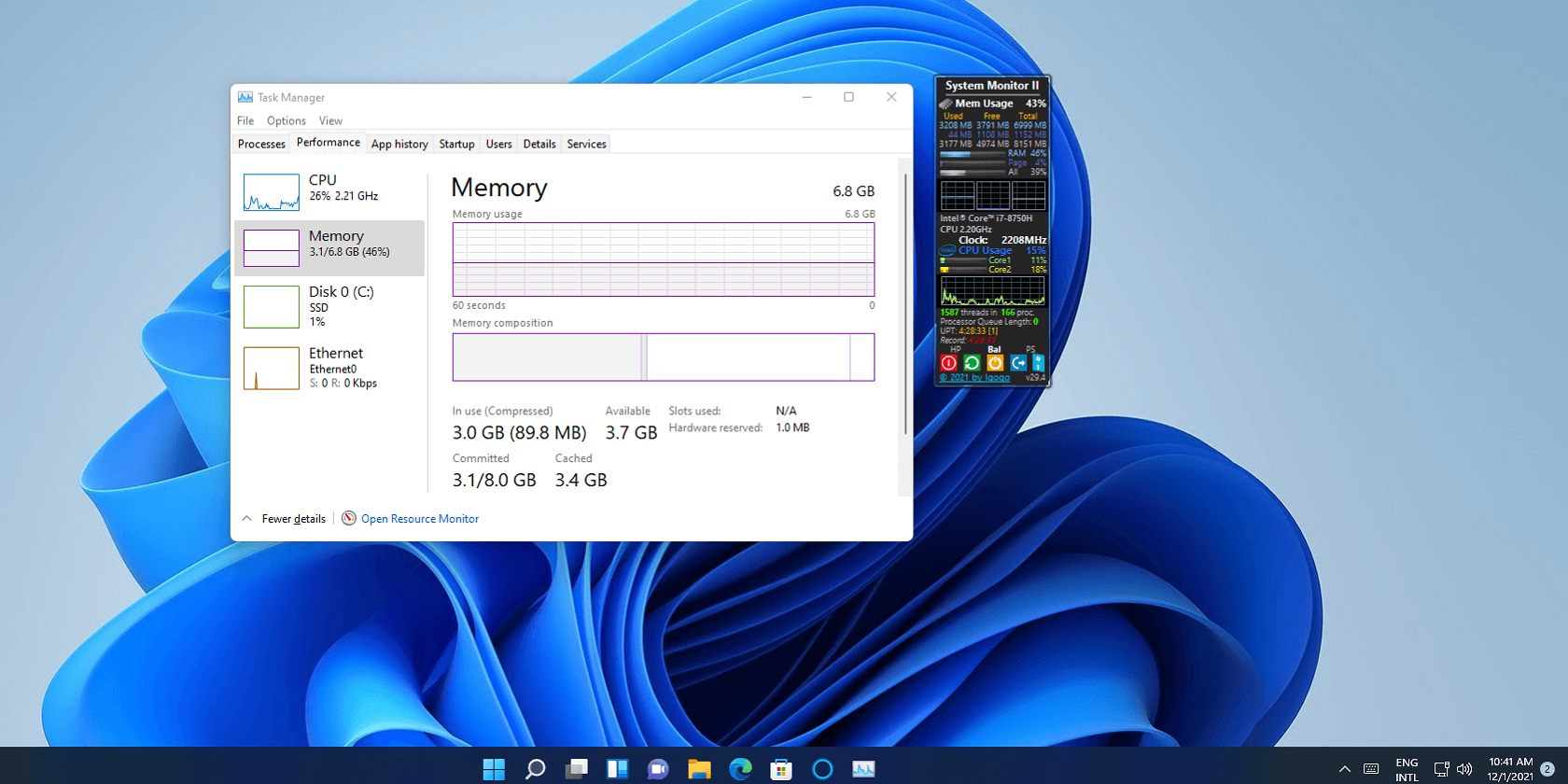
Another method to alleviate game stuttering is by marking the game process as a high priority in the Task Manager. By assigning a higher priority, you ensure that the game receives preferential treatment from your system’s resources, which can help improve its performance.
Here’s how you can mark a game as a high priority using the Task Manager:
While the game is running, press Ctrl + Shift + Esc to open the Task Manager. In the Task Manager window, navigate to the “Processes” or “Details” tab.
Locate the game process in the list. It may have the same name as the game or be associated with the game’s executable file (e.g., game.exe).
Right-click on the game process and hover over the “Set Priority” option.
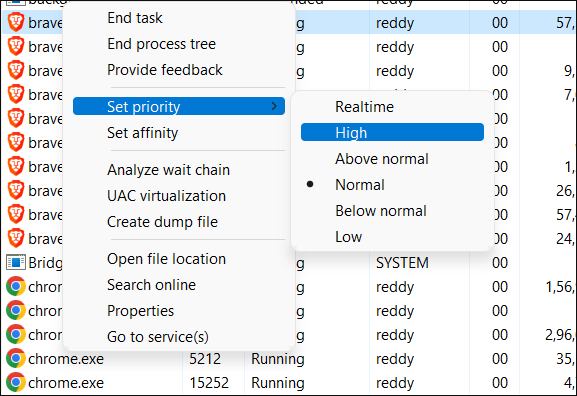
Choose “High” or “Above Normal” from the sub-menu.
Setting the game’s priority to “High” or “Above Normal” ensures that your system dedicates more resources to the game, reducing the likelihood of game stuttering caused by resource limitations.
Solution 5: Update Graphic Drivers
Outdated or incompatible graphics drivers can often be a cause of game stuttering. Graphics card manufacturers regularly release driver updates that optimize performance, address compatibility issues, and fix bugs. Updating your graphics drivers can significantly improve game performance and resolve stuttering problems.
Here’s how you can update your graphics drivers:
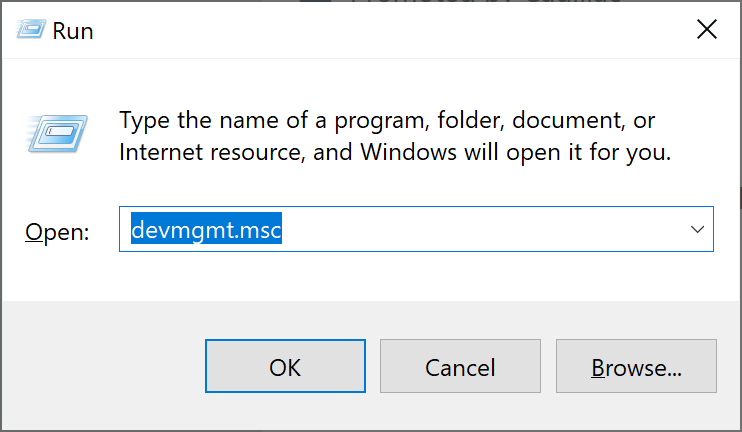
Press the Win + R key combination to open the Run dialog box. Type “Devmgmt.msc” in the textbox and hit Enter.
Select “Display Adapters” and right-click on the graphic driver. Select the “Update Driver” option from the context menu.
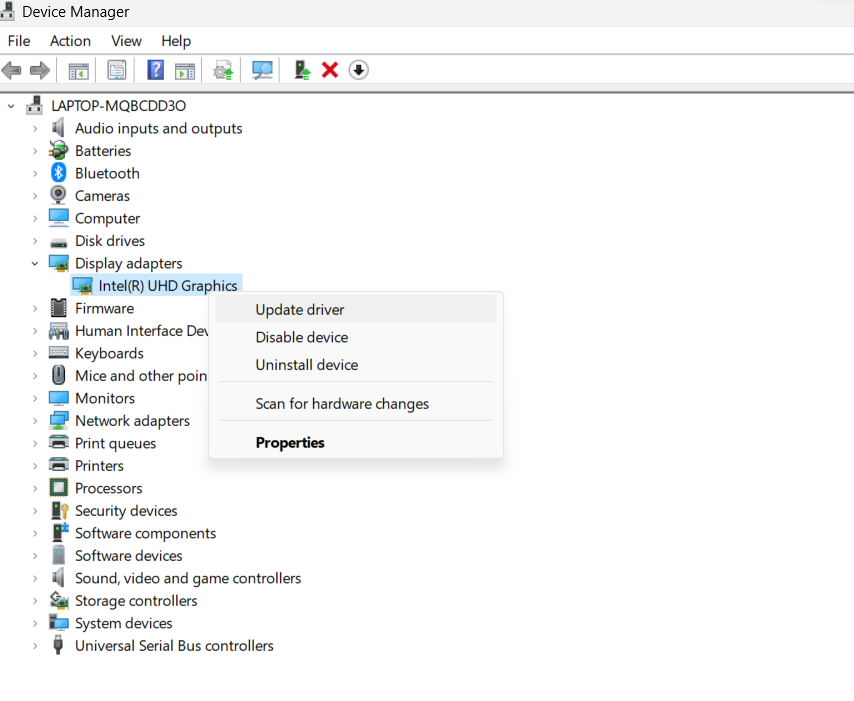
Follow the on-screen instructions to update the display drivers. After updating your graphics drivers, launch your game and check if the stuttering issue persists. In most cases, updating graphics drivers can improve game performance and resolve stuttering caused by outdated or incompatible drivers.
Solution 6: Switch to a Lower Screen Resolution
If you’re experiencing game stuttering on your Windows PC, another potential solution is to switch to a lower screen resolution. Higher screen resolutions require more processing power from your graphics card, which can sometimes lead to performance issues. By reducing the screen resolution, you can relieve some of the strain on your system and potentially improve gameplay smoothness.
To switch to a lower screen resolution:
Right-click on the desktop and select “Display settings” from the context menu. In the Display settings window, scroll down to the “Resolution” section.
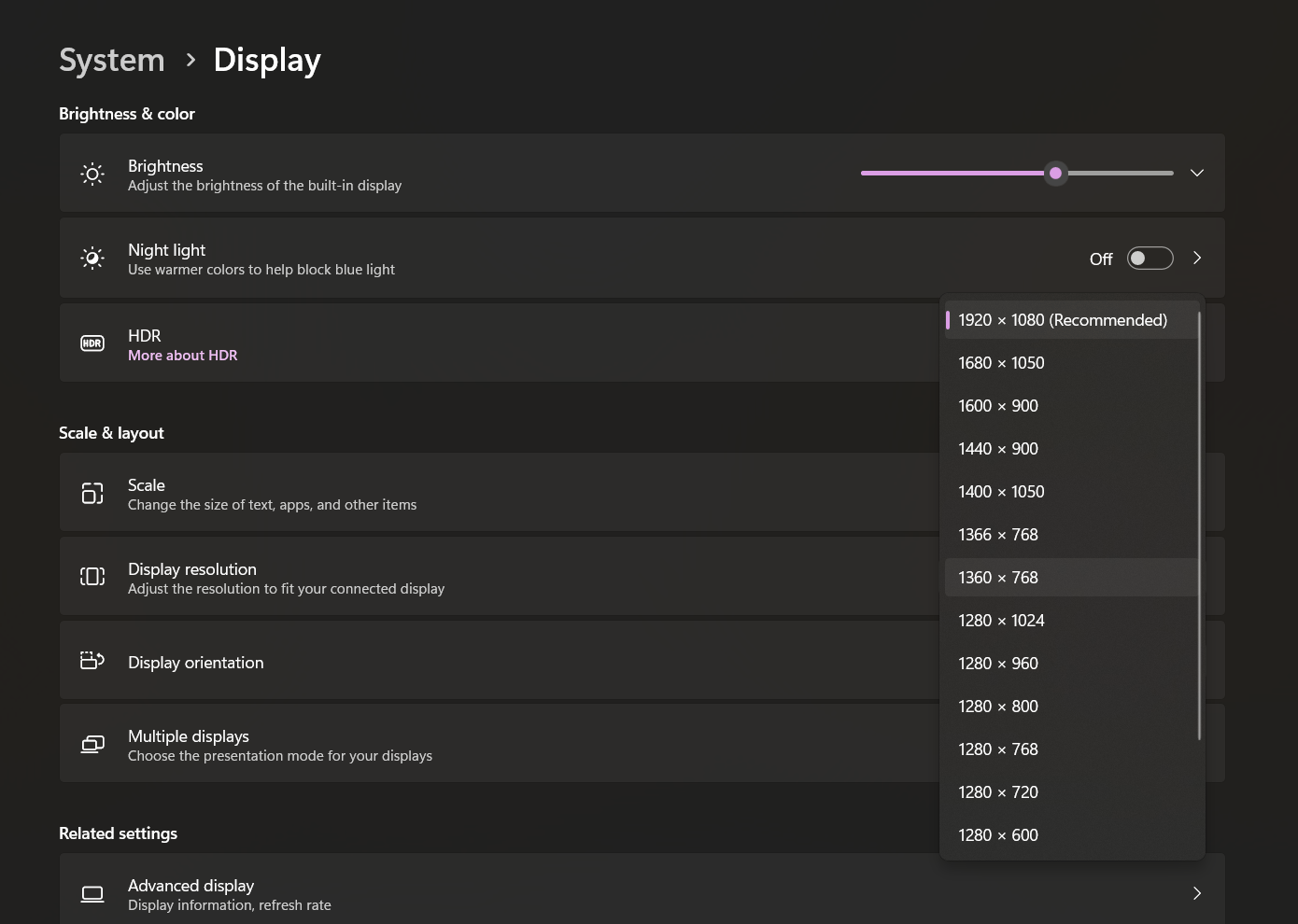
Click on the drop-down menu and select a lower resolution from the available options. Choose a resolution that is lower but still visually acceptable for your gaming experience.
After selecting the desired resolution, click on “Apply” to make the changes.
Switching to a lower screen resolution reduces the number of pixels your graphics card needs to render, thus requiring fewer resources and potentially reducing game stuttering. Keep in mind that the visual quality may be slightly impacted due to the lower resolution, but it can lead to smoother gameplay.
Conclusion
By implementing the recommended fixes such as avoiding resource-intensive applications, updating graphics drivers, and adjusting system settings, you can effectively tackle game stuttering and enjoy smoother gameplay. Remember to customize the solutions based on your specific needs and system configuration for the best results and seamless gaming experience.
Author Bio:
Dinesh Lakhwani 

Dinesh Lakhwani, the entrepreneurial brain behind “TechCommuters,” achieved big things in the tech world. He started the company to make smart and user-friendly tech solutions. Thanks to his sharp thinking, focus on quality and the motto of never giving up, TechCommuters became a top player in the industry. His commitment to excellence has propelled the company to a leading position in the industry.
Popular Post
Recent Post
How To Disable Background Apps In Windows: 4 Quick Methods
A slow PC rarely gives a warning. One day, it simply takes longer to start. Apps open late. The fan runs loud, even when the screen is almost empty. Most people blame old hardware. Often, that is not the real reason. The real reason is hiding in plain sight. Windows keeps many apps active in […]
How to Activate Windows with a Product Key for Windows 11 & Windows 10
It always shows up at the worst time. You are halfway through a report, or about to join a video call. Then you spot it in the bottom right corner of the screen. Activate Windows. Go to Settings to activate Windows. Initially, an unactivated copy of Windows may seem like a minor inconvenience. Over time, […]
Is Easy Duplicate Finder Worth It? Honest Review
The photos folder looked normal at first glance. Then the storage warning popped up. One trip photo appeared four times. A tax PDF sat in three different folders. Two old setup files were still in Downloads, and each one was over 500 MB. Nobody plans this mess. Copies pile up slowly. A download runs twice. […]

Wise Duplicate Finder Review: Real Results from Wise Duplicate Finder
Read my honest Wise Duplicate Finder review. See features, pricing, pros and cons, and real PC test results. Find out if this free duplicate cleaner can free up your Windows storage.
How to Recover Deleted Files from Pen drive, USB Drive, SD Card
Introduction: On tech forums, you’ll often see posts like this: “I connected my pen drive to my laptop this morning, but the folder was empty. All my college project files had vanished. I don’t have a backup. Can someone help me?” Stories like this are very common. Pen drives, USB drives and SD cards are […]

How To Recover Files Deleted from the Recycle Bin [Windows 11]
Losing a file can happen in seconds. You clear your desktop, hit Delete, and empty the Recycle Bin. Then, just when you need that file again, it seems to have vanished. This guide will walk you through ways to restore files removed from the Recycle Bin. We will begin with simple fixes, then look at […]
Disk Drill Data Recovery Tool Explained: Full Review and Guide
It happens in a split second. You delete a folder by mistake. Your drive stops showing up. A photo album from your last trip just vanishes. And your stomach drops. Lost files feel personal. They are not just data. They are memories, work hours, and sometimes years of effort packed into a few gigabytes. When […]
Recover Deleted Files In Windows 11 With Software & Without
Introduction What is the first thing that goes through your mind the second an important file vanishes from a Windows 11 PC? For most people, it is a mix of panic and disbelief, followed by a frantic click through every folder that file could possibly be hiding in. It happens in a split second: one […]
EaseUS Data Recovery Wizard: Everything To Know
Data loss does not always come from a big disaster either. Most cases start small and boring. A drive gets formatted by mistake. A laptop freezes mid-save and restarts on its own. A memory card stops showing up after being pulled out too fast. None of these feel like emergencies at first, until you realize […]