



A slow computer makes it hard to focus. Programs take too long to open. Free space keeps shrinking until the disk is almost full. This happens to most PC owners at some point. Even new machines can slow down after a while. That is the exact problem cleanup tools are built to solve. They comb […]
How to Fix the File or Directory is Corrupted and Unreadable Error?
Windows users may need to access an external hard disk or USB drive on their system. However, you may face the file or directory is corrupted and unreadable error on your system. The only solution for the users to access their files is to know about this error and fix it quickly and easily.
So, let us go through the file or directory is corrupted and unreadable error details on the Windows system. Then, starting with the quick reasons causing this problem on the Windows system, we’ll go through the top fixes for this problem. Denoted by the error code “0x80070570,” users can seamlessly access a USB or external hard drive on their Windows system after going through our guide.
What is the file or directory is corrupted and unreadable error?
Windows 7, 8, 10, or 11 may emerge if the file or directory is corrupted and an unreadable error while any storage device, SD card, flash drive, or hard disk is connected to the system. It restricts access to the external storage drive. Hence, users can’t go through the data on these devices.
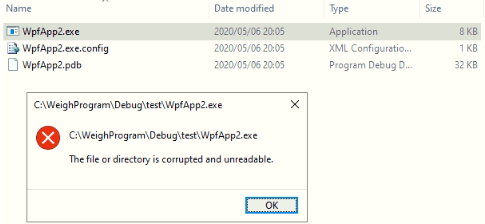
Some of the main symptoms hinting at this error on any Windows system are:
- The error message “H: isn’t reachable” appears when a storage device is connected to the Windows system.
- The error “0x80070570” appears when the location is not accessible. The file or directory becomes corrupted, an unreadable error code appears, and the system can’t be accessed. It leads to data loss in many cases.
- The computer file system has a RAW file format.
What causes the file or directory is corrupted and unreadable error?
After a quick overview of the file or directory is corrupted and unreadable, you may feel like what is causing this error on your Windows.
Your Windows system may not access the data from an external storage device or may even lead to data loss. Hence, it becomes essential to know all the reasons for this error. These are:
- Storage devices not safely removed: The most common reason for the file corrupted or unreadable error is the unsafe removal of storage devices like hard drives, USB flash drives, etc. It leads to data loss from storage devices and causes corrupted or unreadable errors.
- Bad sectors in the drive: The unreadable partition in the external storage, like a hard drive, can be due to bad sectors. The continuous harm to the storage device may make a specific sector unusable; hence, the data stored in such sectors becomes inaccessible.
- Virus or malware: Windows systems connected to the internet are prone to malware or virus infection. These unauthorized programs may delete sensitive data from the system without warning, damage the operating system, infect the connected devices, or corrupt the partition details.
- MFT or FAT corruption: The Master File Table or MFT is part of the NTFS file system, which is crucial for file storage. Hence, MFT carries application access, creation time, file size, file data, etc., and all data can be quickly accessed from it. File Allocation Table or FAT partition (FAT 32/ 16/ 12) is used on SD cards and different storage devices for monitoring and processing data. Thus, any MFT or FAT corruption causes unreadable files on the Windows system.
The top six fixes for the file or directory are corrupted and unreadable errors.
After learning about the top reasons for the file or directory is corrupted and unreadable error, it becomes easy to understand your Windows system. The best part is that you don’t have to search for quick solutions, as we’ve prepared a well-researched list of the top fixes for this error. So, below are the top six fixes for this error:
1. Restarting the system
First and foremost, it is easy for the users to restart the system to get rid of the file or directory is corrupted and unreadable error. The quick steps for restarting your Windows system are:
- Go to the “Windows” icon on the system.
- Click on the “Restart” option.
- Wait for your system to restart, and then try accessing the external drive.
2. Formatting the hard drive
Formatting the hard drive can be one of the strict but effective solutions in fixing the file or directory corrupted or unreadable error. Users can format the system partition of the hard drive in the following ways:
- Select the partition from “My Computer” and right-click on the “Format” option.
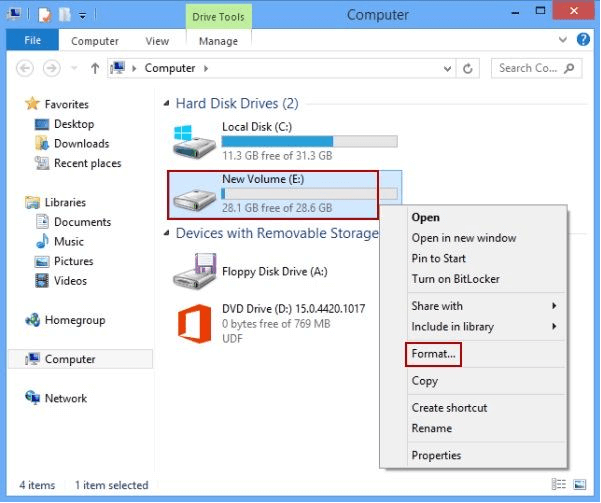
- It launches a pop-up window to format specific partitions, and the file system can be changed in this step. Click the “Start” button.
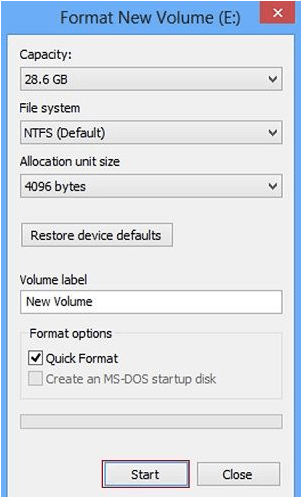
- A confirmation prompt will appear, and you have to press “OK.”
- The second option to format a hard drive is to go to the “Control Panel,” then to “Computer Management,” and launch the “Disk Management” application. Right-click on the partition and format it.
3. Disabling antivirus software
Windows system parts may get blocked due to the antivirus or Windows firewall. It may cause inaccessibility to the external device files and lead to a “file or directory is corrupted and unreadable error.” Hence, all you need to do is disable the antivirus software or Windows firewall in the following ways:
- Go to the “Windows Defender” settings and turn it off.
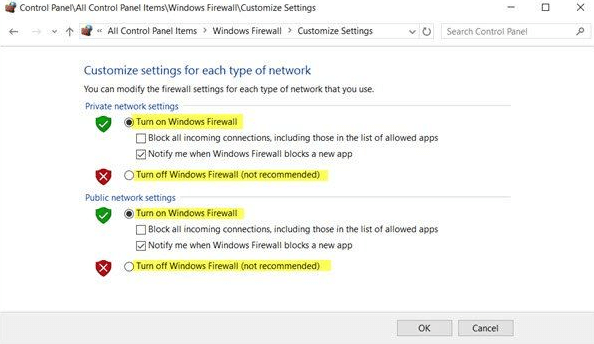
- Now access the antivirus software on the system, which can be from popular options like McAfee, Quick Heal, Norton, Avast, Avira, etc.
- Launch the antivirus application and go to its settings. Disable the firewall.
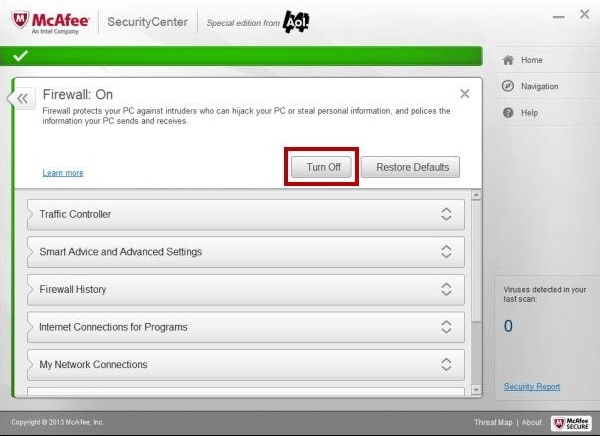
- Restart the system to check if the error persists.
4. Disk startup repair
Users can seek the help of Windows Startup Repair to repair serious issues on the C drive. This feature offers advanced startup features to offer detailed options related to system repair and recovery. The quick steps for disk startup repair on your Windows system are:
- Go to “Settings,” “Update and Security,” “Recovery,” and “Advanced Startup,” and then click on the “Restart Now” button.
- Once the system has restarted in the advanced startup mode, go to the “Troubleshoot,” “Advanced Options,” and go to the “Startup Repair” feature.
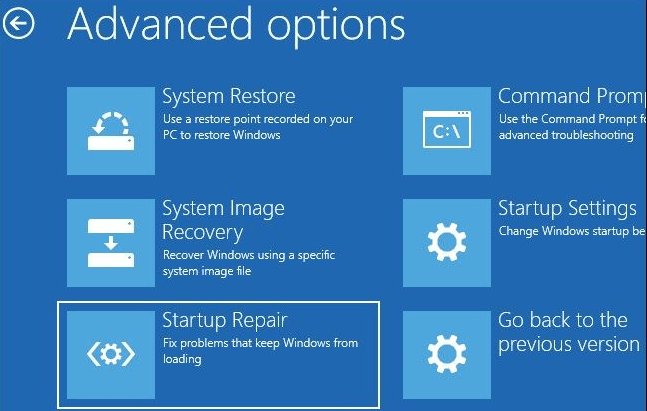
- The repairing process starts, and you can wait to fix startup options and firmware components.
5. Scanning disk for errors by CHKDSK
The CHKDSK command can be used to scan the disks for different errors. The Check Disk utility is part of the Windows native command tools used to check a disk and fix its issues. The quick steps to scan the disk for errors by CHKDSK are:
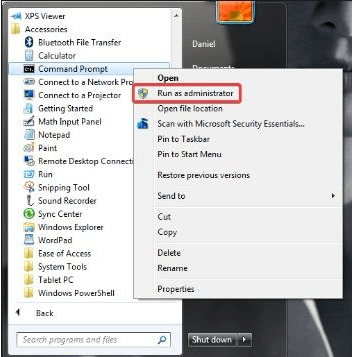
- Go to the startup menu in the Windows system and locate “Command Prompt.” Go to “Run as administrator.”
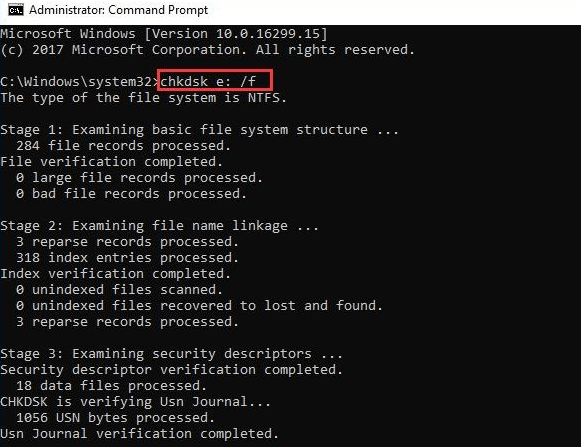
- Enter the “chkdsk c: /f” command, and Windows will start repairing the disk within a few minutes.
6. Checking hard drives by properties
For a corrupted C drive, it is easy to run the native error-checking feature of the Windows system. The quick steps for the same are:
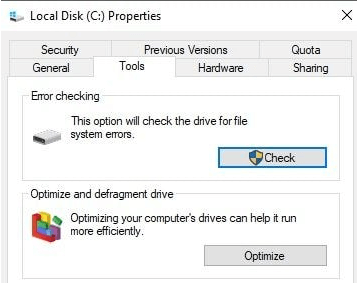
- Select the “C drive” and go to “Properties” from “My Computer.”
- Go to the “Error Checking” feature in the “Tools” tab and click on the “Check” button. Windows will start checking C drive.
8. Moving files to a different directory
Last but not least is moving the files from the external drive to a different directory. The quick steps for moving files to a different directory as follows:
- Go to “My Computer,” right-click on the files or folders, and go to the external drive to paste the data.
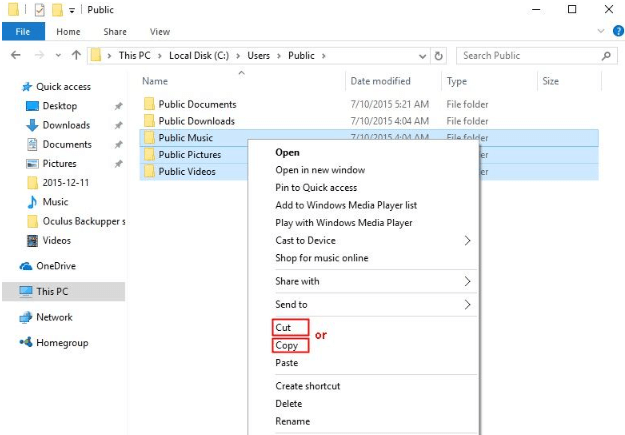
- Alternatively, you can drag and drop the selected files and go to the “Send to” feature.
- Now, visit the new location and access the files from there.
Conclusion:
So, no more worries when you face the file or directory corrupted and unreadable error on your Windows system. It is all about understanding “0x80070570” error code in detail followed by the top reasons causing this error. These include physical damage, virus infection, unsafe removal of USB or hard disk, FAT or MFT corruption, etc.
The fixes for the file or directory is corrupted, and unreadable error, which can be used by beginners and professionals, including restarting the system, moving the files to a new directory, checking the hard drive by properties, etc. Some other fixes include scanning disk with CHKDSK, running startup disk repair, disabling antivirus, formatting hard drive, etc.
You can keep following our blog for more details on different Windows system errors.
Frequently Asked Questions
What causes the “File or Directory is Corrupted and Unreadable” error?
This error typically occurs due to file system corruption, bad sectors on the hard drive, improper ejection of external drives, malware infections, or sudden power failures during data transfer.
Can I recover data from a corrupted or unreadable drive?
Yes, data recovery is possible in many cases. You can use built-in tools like CHKDSK or third-party recovery software. However, success depends on the extent of the damage. It’s best to avoid writing new data to the drive until recovery is attempted.
Is formatting the drive the only solution if nothing else works?
Formatting is a last resort. It will erase all data but can restore the drive’s usability. Before formatting, try all recovery options and back up any accessible data. If the drive is physically damaged, professional data recovery services may be necessary.
Author Bio:
Dinesh Lakhwani 

Dinesh Lakhwani, the entrepreneurial brain behind “TechCommuters,” achieved big things in the tech world. He started the company to make smart and user-friendly tech solutions. Thanks to his sharp thinking, focus on quality and the motto of never giving up, TechCommuters became a top player in the industry. His commitment to excellence has propelled the company to a leading position in the industry.
Popular Post
Recent Post

Fortect Software Review: The Ultimate PC & Mobile Cleaning, Optimization & Security Tool
Slow computers are a common problem for almost every Windows user. Well, yes! Over time, your PC picks up junk files. These files sit quietly in the background. They take up space and slow things down. Programs open slower. Windows takes longer to boot. Even simple tasks like opening a folder can feel sluggish. There […]

CCleaner PC Optimizer Review: A Complete Guide for Windows Users
If your computer has started to feel slow, you are not alone. Most Windows PCs slow down over time. Junk files pile up. The registry gets messy. Too many apps open when you start your PC. All this adds up and makes even a good machine feel tired. This is where a PC cleaner tool […]

Auslogics Duplicate File Finder: Full Review and User Guide
A computer quietly gathers clutter over time. This includes duplicate photos, repeated downloads, and forgotten backups hiding in random folders. This buildup slowly eats away at storage and can make even a fast PC feel sluggish. Manually finding and deleting duplicates is tedious. It means checking every folder, comparing file names, and guessing which copies […]

CCleaner Duplicate File Finder: Key Features, Pricing, Step-by-Step Guide and More
Every computer collects junk over time. Right? Well, yes! Photos often get copied twice. Documents get saved in two folders by mistake. Old downloads pile up and never get deleted. This slowly eats up your storage space, and most people do not even notice until their drive is almost full. That is where a duplicate […]
Duplicate File Finder Pro: A Complete Review, Everything You Should Know
Computers collect thousands of files over time. Well, yes! Many of them end up being duplicates created by backups, downloads, or accidental copies. These extra files take up valuable storage space and make it harder to keep everything organized. Finding and removing them manually can take hours. Right? Duplicate File Finder Pro is a tool […]
Top 3 Duplicate File Finder for Windows 11 & Windows 10
If your PC storage keeps filling up even after you delete big files, duplicate files could be the real reason. Most of us save the same photo twice, download a document more than once, or copy a whole folder by mistake. Over months and years, these duplicate files pile up quietly. You do not even […]
Monitor Screen Calibration Guide: Everything You Should Know
Your monitor shows colors every single day. But are those colors actually correct? Most people never stop to check this. They just use the screen as it comes out of the box. This habit can lead to wrong colors in photos, videos, and work files. Colors may look too warm or too cold without you […]
How To Check Installed RAM and RAM Slots [Complete Guide]
RAM plays an important role in how smoothly a computer runs. Short for Random Access Memory, it stores the data and instructions that Windows and active applications need at any given moment. From opening multiple browser tabs to running games and productivity software, RAM helps keep everything responsive. A system with limited memory may experience […]

What is Microsoft Autopilot Everything You Need To Know
Technology has changed the way companies manage computers. Well, yes! Employees now work from offices, homes, and remote locations. Setting up devices manually for every worker takes time and effort. It can also create mistakes that slow down productivity. This is where Microsoft Autopilot becomes useful. It helps businesses prepare and deploy Windows devices with […]