How to Update macOS Software

Last updated on January 4th, 2026 at 3:30 am
Apple releases Mac OS updates periodically. These updates help you keep your Mac
more stable and secure, and it brings better performance. These updates not only help you update the operating system, but they also include updates for apps that are part of macOS, such as Safari, iTunes, and more.
Once you receive a notification for a software update, you can pick the time to install the updates or simply select to be reminded the next day. You can also update Mac OS manually in the Software Update pane of System Preferences.
You can visit the App Store to find updates to software you’ve downloaded from the App Store.
Note: Before you click the update button, you should free up disk storage on your Mac. To do this, you can use advanced Mac cleaner tools like Cleaner One Pro. This smart solution is designed to help you find & clean unnecessary files & applications to recover valuable disk space required for OS upgrade. The best part is Cleaner One Pro is all-in-one Mac disk cleaning software that helps you visualize, manage, and clean disk space in just one click.
How to get updates for macOS Mojave or later
If you have already upgraded to macOS Mojave or later, you need to follow the steps to keep the OS up to date.
- Go to Apple menu > System Preferences, and click Software Update. Alternatively, select Apple menu > About This Mac, then click Software Update.
- Now, to install all available updates, click the Update Now button. If you want to check details of each available update, you can click the More info option. Here, you can choose
Specific updates to install.
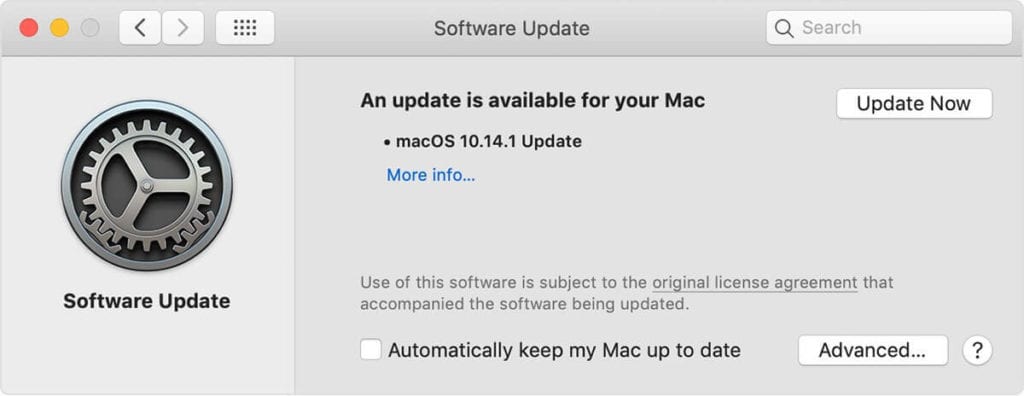
- Once it completes updating the software, you will find a message that your Mac is up to date. It means the installed version of macOS and apps that are part of macOS are updated. These
apps include iTunes, Safari, Messages, Books, Calendar, Mail, Photos, and
FaceTime. - To update software downloaded from the App Store, such as iMovie, Pages, Keynote, GarageBand, and other apps, you need to open the App Store from the Apple menu and select the Updates tab.
Set Mac check for software updates automatically
You can set your Mac to install macOS updates automatically. Here, it will also update apps downloaded from the App Store separately. To do this, follow these steps:
- Go to Apple menu > System
Preferences and select Software Update. - Now choose Automatically keep my Mac up to date.
- Click the Advanced button to set advanced update options. Here, you can
Select any of these options: - Select Check for updates to let
Mac automatically checks for updates. - Select Download new updates
when available to let the Mac install updates without asking. - Select Install macOS updates to
allow the Mac install all available macOS updates automatically. - Select Install app updates from
the App Store to allow the Mac to download app updates from the App Store
automatically. - Select Install system data
files and security updates to allow Mac automatically install system files and
security updates. - Click OK.
To get alal the available updates automatically, you should choose Check for updates, Install
system data files and security updates, and download new updates when available.
Note: If you have MacBookAir, MacBook, or MacBook Pro, then you should keep the power adapter plugged in to download all available updates automatically.
How to get updates for earlier macOS versions
If you are using macOS High Sierra, Sierra, El Capitan, or earlier macOS versions, then follow below mentioned steps to get updates.
- Open the App Store.
- From the App Store toolbar, click
Updates tab.
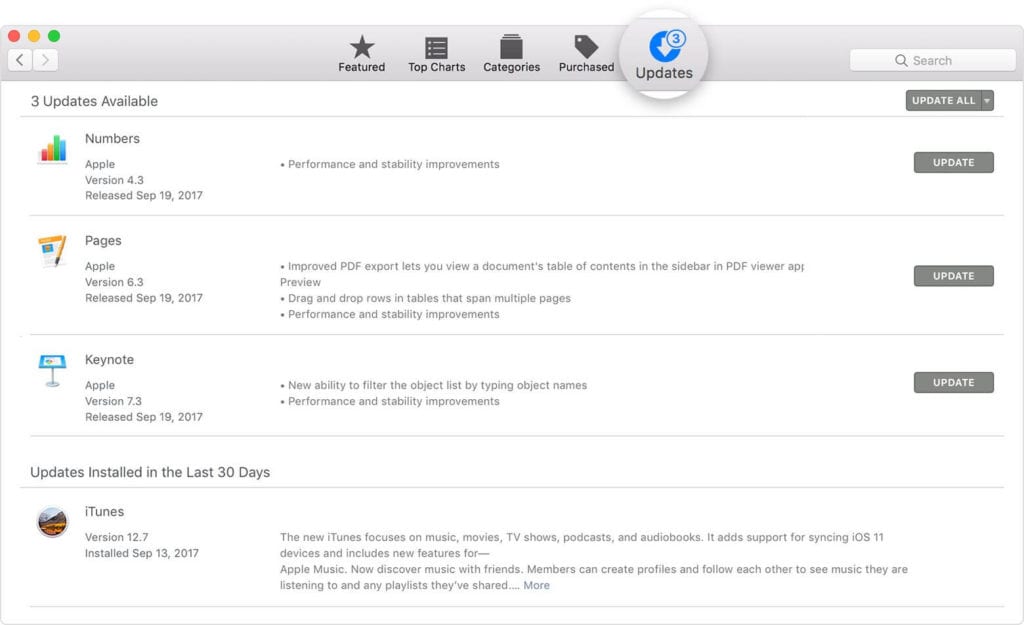
- Now you will find all available
updates listed here. To download any of these updates, click Update button next to it. - Now that App Store says no more
updates are available, the installed version of macOS and all apps that are
part of it are up to date. It includes iTunes, Safari, Mail, Messages,
Calendar, FaceTime, and Photos. You can find later versions by upgrading your
macOS.
If you want to download updates automatically in the future, select Apple menu > System Preferences and select App Store > Download newly available updates in the background. You will be notified when updates are ready to install.
Conclusion
So this was a quick discussion on how to update Mac OS in a few easy steps. Follow these steps to update software on a Mac for better security and performance. You can also expect more stable performance once you have updated your Mac software. Do share your experience in the comments below.
Author Bio:
Dinesh Lakhwani 

Dinesh Lakhwani, the entrepreneurial brain behind “TechCommuters,” achieved big things in the tech world. He started the company to make smart and user-friendly tech solutions. Thanks to his sharp thinking, focus on quality and the motto of never giving up, TechCommuters became a top player in the industry. His commitment to excellence has propelled the company to a leading position in the industry.
Popular Post





Recent Post
How to Switch Windows 10 to a Local Account: Complete Guide
Windows 10 allows users to sign in with either a Microsoft account or a local account. When you set up a new computer, the system often suggests using a Microsoft account. This account connects your device to Microsoft services such as Outlook, OneDrive, and the Microsoft Store. It also syncs settings, themes, and passwords across […]
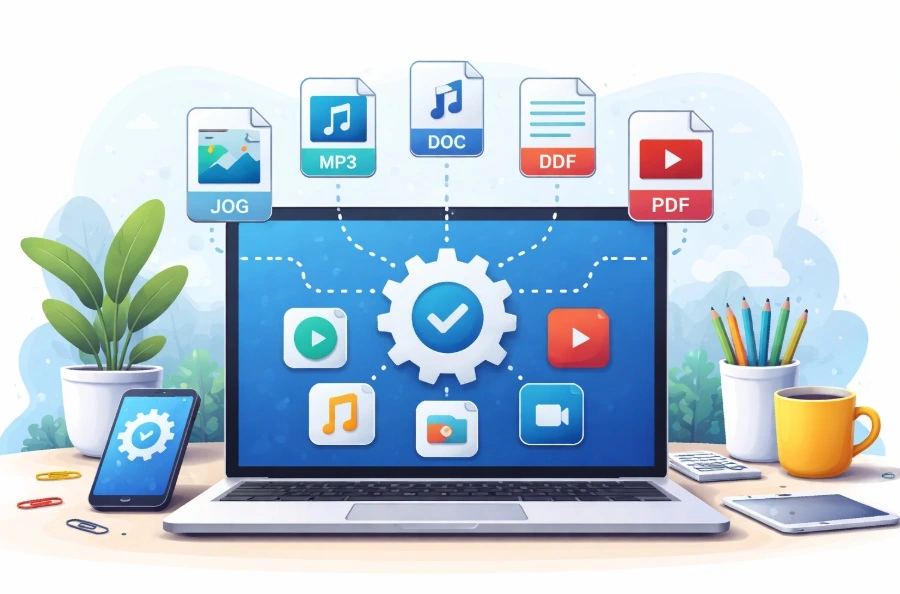
How To Change Default Apps For File Types In Windows
Windows is designed to make using your computer easy. One way it does this is by assigning default apps to different file types. This means when you open a file, Windows automatically opens it with a specific program. For example, photos may open with Photos, music with Groove Music, and PDFs with Edge. These default […]
How To Adjust The Mouse Pointer Speed: Complete Guide
Using a computer every day means you use the mouse a lot. The mouse pointer moves on the screen and helps you click, scroll, and select items. Many people never think about the speed of the mouse pointer. They have used the default setting for years. This can cause small problems over time. A slow […]

How to Change Mouse Scrolling Settings In Windows
A mouse is one of the most used computer tools. People use it every day. They scroll through emails. They scroll through documents. They scroll through websites and images. The movement becomes automatic. Most users do not notice it. That is why problems often go unnoticed. Scrolling problems show up slowly. At first, it feels […]
Keyboard Light Settings: Keyboard Lighting Control [Complete Guide]
Keyboards are no longer simple typing tools. Well, yes! Over time, they have evolved to include features that improve comfort, visibility, and overall experience. One of the most useful features today is keyboard lighting. It helps users work comfortably in low-light conditions. It also reduces strain when typing for long hours. Many users first notice […]

Customizing Pointer Appearance: Complete Guide
The way your mouse pointer looks on your computer may seem like a small detail. But customizing pointer appearance can make using your PC more comfortable and visually appealing. Many users do not realize that they can change the pointer size, color, and style to fit their needs. Whether you want a bigger pointer for […]
How To Choose a Computer Monitor: Monitor Buying Guide
Buying a monitor looks easy. Many people think all screens are the same. That belief causes regret later. A monitor is not just a display. It is a daily tool. You read on it. You work on it. You relax with it. Small problems become big over time. Poor brightness hurts eyes. Bad size causes […]

How To Get Help With File Explorer in Windows 11 [Complete Guide]
File Explorer is one of the most important tools in Windows 11. It is used to open folders, view files, and manage stored data. Almost every action on a Windows computer depends on it in some way. When users open documents, save downloads, or organize photos, File Explorer is always involved. Because it is used […]

How To Fix A Frozen Computer: Complete Guide [Windows 11/10]
A frozen computer is one of the most common problems Windows users face. The screen stops responding. The mouse pointer does not move. Keyboard inputs do nothing. You may hear the fan running loudly. Sometimes the system looks alive, but nothing works. This situation often happens when you are busy or working on something important. […]
How to Upgrade Computer RAM: Complete Guide
Upgrading RAM is one of the simplest ways to improve a computer. It helps the system feel faster and smoother. Apps open quicker. Browsers handle more tabs. Games and tools run with less delay. Many users search for how to upgrade computer RAM because it gives real results without high cost. You do not need […]