How To Find Password Saved on This Computer: Complete Guide
Many people forget their login details at some point. It happens often. We create many accounts every year. Each one needs a username and a password. Over time, it becomes hard to remember all of them. That is why computers offer ways to store login details. These saved details help users sign in faster. They also reduce stress during daily work. In many cases, users do not even notice when their system saves them. Later, they want to check or recover them. This is where learning about passwords saved on this computer becomes useful.
A computer can store login details in several places. Web browsers do this first. Operating systems do it too. Some apps also keep their own records. Knowing where to look saves time. It also avoids risky tools on the internet. Many guides online feel complex. They use hard terms.
This article keeps things simple. It explains how to find password stored on this computer using safe steps. You do not need advanced skills. You only need patience and care.
Where are the passwords saved on this computer?
Most saved passwords live inside web browsers. Chrome, Edge, Firefox, and Safari all have this feature. When you log in to a site, the browser asks to save the password. If you agree, it stores it in its settings. These passwords stay linked to your user account. They are protected by your system login in most cases.
Some passwords are stored by the operating system. Windows uses Credential Manager. macOS uses Keychain Access. These tools store Wi-Fi passwords, app logins, and network details. Email apps and office tools may also save passwords. Each app decides where to keep them. Knowing this helps you search in the right place.
How To Find Passwords Saved On This Computer
Finding saved passwords is easier than it sounds. You only need to follow the correct path. The method depends on where the password was saved. Browsers, system tools, and apps all work differently. Below are three safe and common methods.
Method 1: Check saved passwords in web browsers
Web browsers are the most common place for saved logins. Most users rely on them daily. Browsers store usernames and passwords for websites you visit often. They also protect this data with your system login.
To access browser passwords, you must open settings. Look for the password or privacy section. The browser will ask for your system password. This step protects your data. After that, you can view saved details. Be careful when doing this in public.
Steps
- Open your browser settings and go to the passwords section.
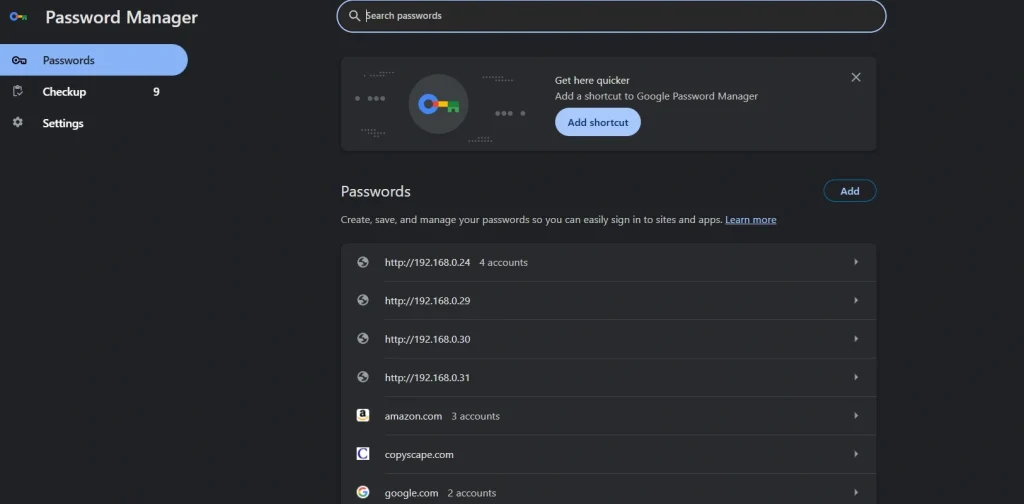
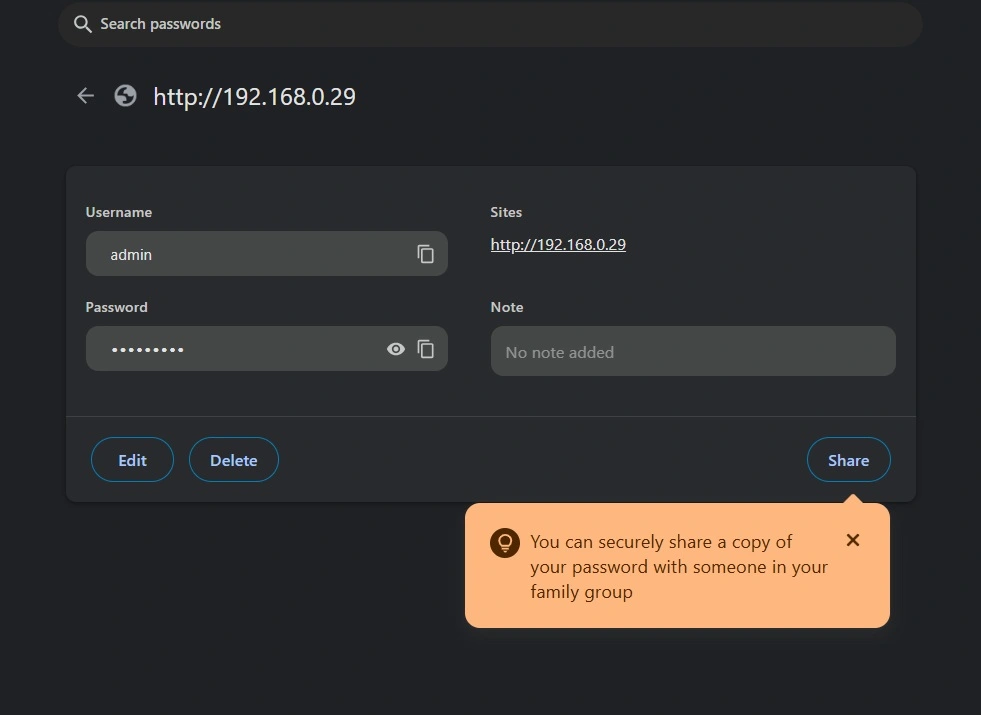
- Select the site and verify your system login to view the password.
Method 2: Use system password managers
Operating systems have built-in password tools. These tools store Wi-Fi and app passwords. They also keep network login details. Windows and macOS both offer this feature.
These tools are secure by default. They require admin access or system login. This keeps your data safe from others. You can view, edit, or remove saved items here. Use this only on your personal computer.
Steps
- On Windows: Press Win + R, type control, and press Enter to open Control Panel. Or press Win + I to open Settings. Navigate to User Accounts > Manage Your Credentials (Control Panel) or Accounts > Sign-in options (Settings).
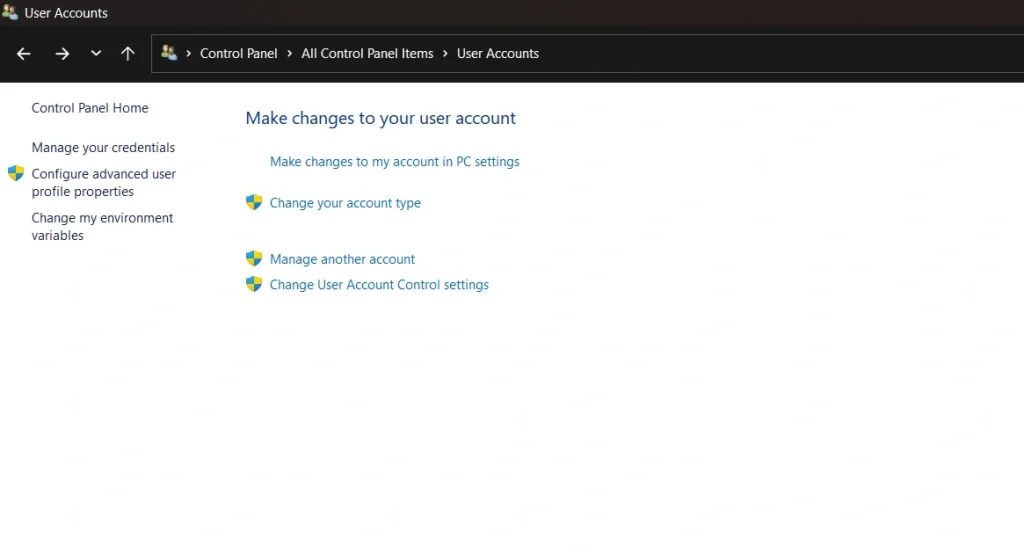
- In Credential Manager, select either Web Credentials (for browser-saved passwords) or Windows Credentials (for system/network logins). In Settings, scroll to Password Manager if available (depends on Windows version).
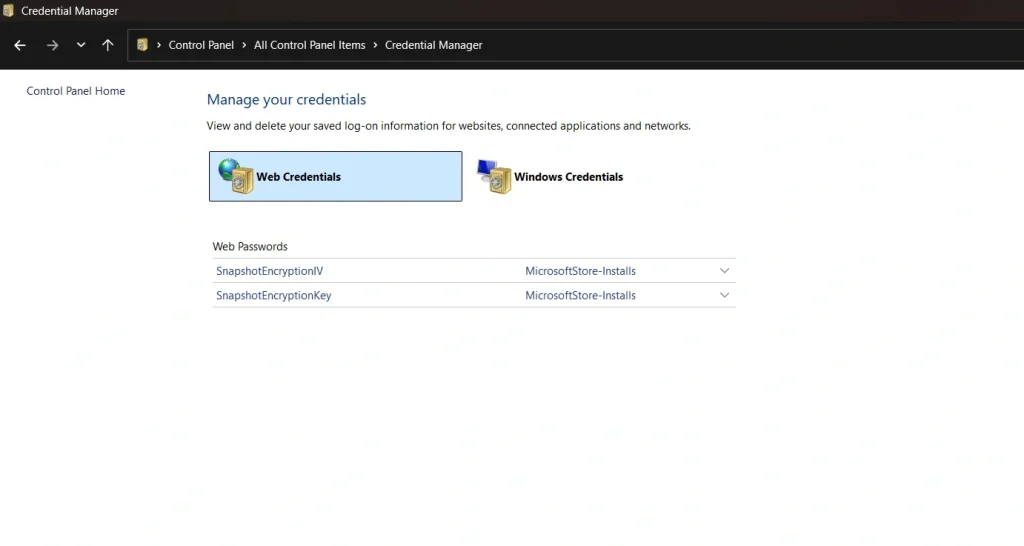
- Browse the list of saved credentials. Click the entry you want to view or edit. A prompt will appear asking for your Windows account password (or PIN/biometric if configured). Enter it to unlock and view the saved password.

Method 3: Check passwords saved in apps
Some apps save passwords inside their own settings. Email clients are a good example. Cloud storage apps also do this. Each app handles passwords differently.
You need to open the app settings. Look for account or security options. Some apps hide passwords for safety. Others allow viewing after verification. Always log out after checking.
Steps
- Open the app’s settings or account section. Look for options like Security, Privacy, or Password Manager.
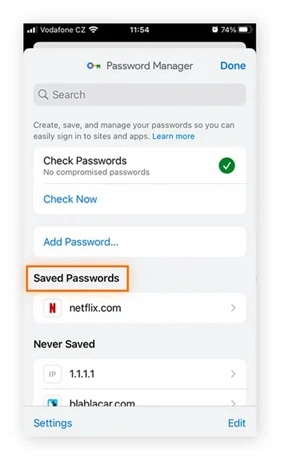
- Select the saved login entry and authenticate. Tap the account, then confirm with your device password, PIN, or biometric to reveal the stored password.
Security Tips While Saving Passwords On A Computer
Saving passwords is helpful but risky if done wrong. You should always think about safety first. A small mistake can expose private data. Follow these tips to stay protected.
- Use a strong system login password. This is the first layer of protection for your computer. A weak login makes it easy for others to access everything, including saved passwords. A strong password helps keep all stored data safe.
- Avoid saving passwords on shared computers. When multiple people use the same device, anyone with access may view saved details. This increases the risk of misuse. It is better to enter passwords manually on such systems.
- Enable the screen lock when you step away. Even a short break is enough for someone to access your computer. A locked screen blocks quick and unauthorized access. This habit adds simple but strong protection.
- Keep your system updated at all times. Updates fix known security holes and bugs. Old software is easier to exploit. Regular updates help protect saved passwords and other private data.
- Use browser profiles for different users or purposes. Profiles keep personal data separate. This reduces accidental access to saved passwords. It is useful on shared or family computers.
- Turn on two-step verification wherever possible. This adds an extra check beyond the password. Even if someone gets the password, they cannot log in easily. It greatly improves account safety.
- Remove old saved passwords that you no longer use. Unused logins can still be exploited. Cleaning them out reduces risk. It also keeps your password list easier to manage.
- Avoid installing unknown or untrusted software. Some programs are designed to steal saved data. Always download software from trusted sources. This keeps your system and saved passwords secure.
Authors tip
Always pause before saving a password on any computer. Think about who owns the device and who can access it later. Ask yourself if the system is truly private and secure. A personal laptop with a strong login is usually safe. Office computers are often shared or monitored. Public machines should never store login details under any condition.
If you ever need to find password stored on this computer, take a careful approach. Do it in a private space where others cannot see your screen. Avoid checking saved passwords in public places. Once you are done, close all settings and lock your screen. Small habits like these reduce risk and help protect your digital life every day.
Password Management Tips: How to Manage Passwords More Securely
Good password habits reduce future trouble. They also lower the risk of hacks. Managing passwords well saves time later. It also keeps accounts safe.
- Use unique passwords for each site. This limits damage.
- Choose longer passwords. Length adds strength.
- Mix letters and numbers. It makes guessing harder.
- Avoid personal details. Names and dates are easy to guess.
- Change important passwords often. Banking needs extra care.
- Use trusted password managers. They store data safely.
- Back up important logins. Use secure notes.
- Never share passwords via message. Use secure methods only.
Conclusion
Finding saved passwords does not need special tools or risky software. Your computer already includes safe and trusted options for this task. Web browsers and system password managers are built for everyday users. They protect your information and ask for verification before showing anything. Once you understand where these features are, the process becomes simple and quick.
Learning about passwords saved on this computer also builds better awareness of your digital habits. It helps you understand how your data is stored and protected.
When you manage saved passwords carefully, you reduce the chance of mistakes or leaks. Good habits today prevent problems later. Staying careful and informed keeps your accounts safe and your mind at ease.
FAQs
Can I see saved passwords without admin access?
In most cases, you cannot see saved passwords without admin or user login access. Computers are designed this way to protect personal data. Saved passwords are linked to the user account. Without proper access, the system blocks viewing them. This helps prevent misuse if someone else uses the computer.
Is it safe to use third-party tools to recover passwords?
Using third-party tools is usually not safe. Many such tools can contain malware or spyware. They may steal your data instead of helping you. Built-in browser and system tools are more secure. They follow system rules and protect your information better.
Do saved passwords sync across devices?
Saved passwords can sync across devices if syncing is enabled. This often happens through browser accounts or cloud services. When you sign in on another device, the passwords appear there too. Syncing depends on your settings and internet connection.
What should I do if someone accessed my saved passwords?
You should change all affected passwords immediately. Start with email, banking, and important accounts. Enable two-step verification if available. Also, check recent login activity for anything unusual. This reduces further risk and secures your accounts again.
Author Bio:
Dinesh Lakhwani 

Dinesh Lakhwani, the entrepreneurial brain behind “TechCommuters,” achieved big things in the tech world. He started the company to make smart and user-friendly tech solutions. Thanks to his sharp thinking, focus on quality and the motto of never giving up, TechCommuters became a top player in the industry. His commitment to excellence has propelled the company to a leading position in the industry.
Popular Post




Recent Post
How to Switch From Local To Microsoft Account On Windows
Many users begin with a local account when they set up a new Windows computer. A local account works only on that single device. It stores settings, files, and preferences locally. It does not connect to online Microsoft services. For basic offline use, it works well. However, as digital needs grow, many users want better […]
How to Switch Windows 10 to a Local Account: Complete Guide
Windows 10 allows users to sign in with either a Microsoft account or a local account. When you set up a new computer, the system often suggests using a Microsoft account. This account connects your device to Microsoft services such as Outlook, OneDrive, and the Microsoft Store. It also syncs settings, themes, and passwords across […]
How To Change Default Apps For File Types In Windows
Windows is designed to make using your computer easy. One way it does this is by assigning default apps to different file types. This means when you open a file, Windows automatically opens it with a specific program. For example, photos may open with Photos, music with Groove Music, and PDFs with Edge. These default […]
How To Adjust The Mouse Pointer Speed: Complete Guide
Using a computer every day means you use the mouse a lot. The mouse pointer moves on the screen and helps you click, scroll, and select items. Many people never think about the speed of the mouse pointer. They have used the default setting for years. This can cause small problems over time. A slow […]

How to Change Mouse Scrolling Settings In Windows
A mouse is one of the most used computer tools. People use it every day. They scroll through emails. They scroll through documents. They scroll through websites and images. The movement becomes automatic. Most users do not notice it. That is why problems often go unnoticed. Scrolling problems show up slowly. At first, it feels […]

Keyboard Light Settings: Keyboard Lighting Control [Complete Guide]
Keyboards are no longer simple typing tools. Well, yes! Over time, they have evolved to include features that improve comfort, visibility, and overall experience. One of the most useful features today is keyboard lighting. It helps users work comfortably in low-light conditions. It also reduces strain when typing for long hours. Many users first notice […]

Customizing Pointer Appearance: Complete Guide
The way your mouse pointer looks on your computer may seem like a small detail. But customizing pointer appearance can make using your PC more comfortable and visually appealing. Many users do not realize that they can change the pointer size, color, and style to fit their needs. Whether you want a bigger pointer for […]

How To Choose a Computer Monitor: Monitor Buying Guide
Buying a monitor looks easy. Many people think all screens are the same. That belief causes regret later. A monitor is not just a display. It is a daily tool. You read on it. You work on it. You relax with it. Small problems become big over time. Poor brightness hurts eyes. Bad size causes […]

How To Get Help With File Explorer in Windows 11 [Complete Guide]
File Explorer is one of the most important tools in Windows 11. It is used to open folders, view files, and manage stored data. Almost every action on a Windows computer depends on it in some way. When users open documents, save downloads, or organize photos, File Explorer is always involved. Because it is used […]

How To Fix A Frozen Computer: Complete Guide [Windows 11/10]
A frozen computer is one of the most common problems Windows users face. The screen stops responding. The mouse pointer does not move. Keyboard inputs do nothing. You may hear the fan running loudly. Sometimes the system looks alive, but nothing works. This situation often happens when you are busy or working on something important. […]