Troubleshooting Headphone Detection: Headphones Not Detected/Working
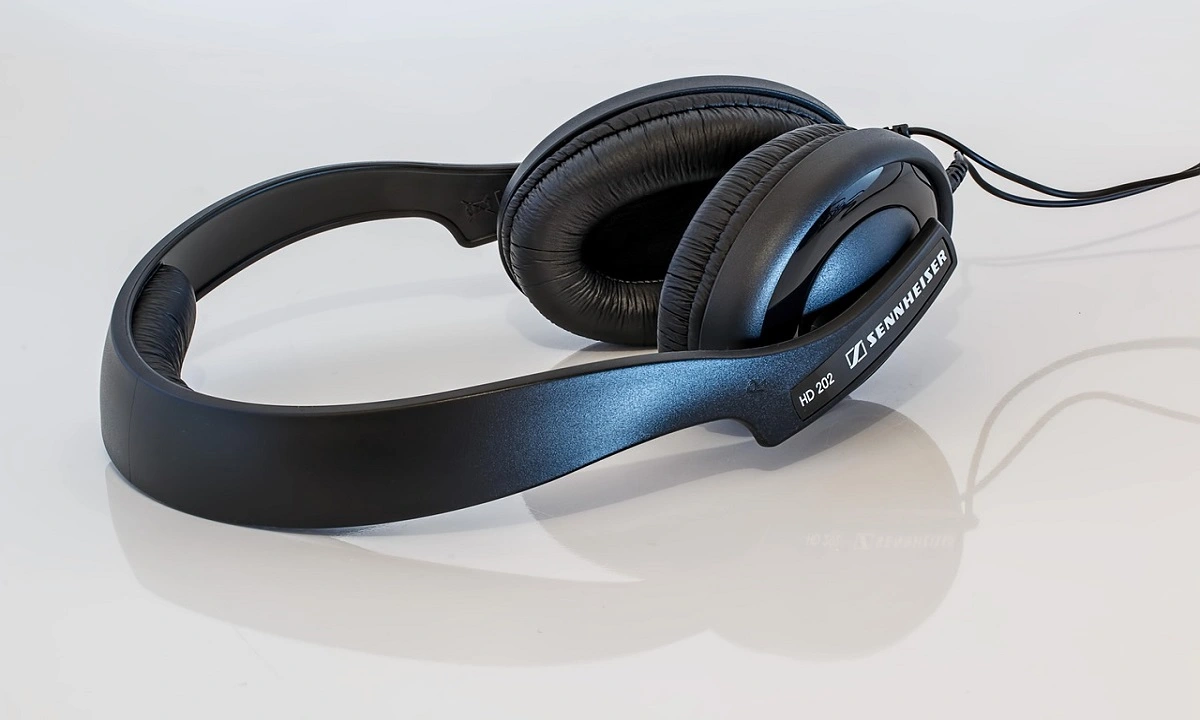
A lot of users run into sound problems at some point. A common one is when the computer does not pick up the headphones. You plug them in, but the speakers keep playing. This can break your focus during work, movies, music, or calls. It also causes confusion because the reason is not always clear right away.
This problem can come from hardware faults, wrong settings, or damaged system files. It may also show up after system updates or driver changes. The good thing is that this issue can be fixed.
With a few checks and steady steps, you can get your headphones working again.
Important Precautions Before You Start
Prepare Before Fixing the Issue
- Check the headphone jack and plug
Look for dust on the jack. Make sure the plug sits tightly. Loose or dusty ports can block signals. - Test the headphones on another device
Try them on a phone or another PC. This helps you see if the problem is with the headphones or the computer. - Turn down the volume before plugging in
This protects your ears and helps avoid loud sound spikes. - Unplug audio adapters
Remove any audio splitters or external converters. They can break the signal connection. - Restart your system once
A simple restart clears many small audio issues. - Disconnect Bluetooth devices
Wireless devices may take over the sound output. Turn off Bluetooth to avoid confusion. - Close sound apps
Apps like music players or video editors can hold audio control. Close them before making changes. - Keep your drivers ready
You may need updated drivers. Download them from the device maker if possible. This guide on updating drivers will help you a lot.
Before you start, Know The Anaswers To These Questions
1. Why do headphones sometimes not work even if they are new?
New headphones can fail to work when the system does not detect them correctly. This often happens due to outdated sound drivers, wrong output settings, or blocked audio ports. Sometimes the issue comes from the sound control panel, where the wrong device is set as the default output. You may also see this if the audio service stops running in the background. In rare cases, a system update may reset audio rules, causing the headphones to be ignored until you adjust the settings.
2. Why do headphones show up but produce no sound?
This usually happens when the volume mixer is set to a low level or muted. It can also appear when an app controls the audio device and prevents the system from switching outputs. Damaged codecs, disabled enhancements, or faulty internal routing may also stop sound from flowing. The device itself may also be set as a disabled output in the sound panel. In some cases, a sound driver conflict prevents the audio stream from reaching the headphones.
3. Can automatic sound switches cause headphone problems?
Yes. Some systems try to switch between speakers, Bluetooth devices, and wired headphones. When the rules fail, the system may choose the wrong device. This creates confusion because the system thinks audio should go to a different output. You may also face trouble if two audio controllers are installed. This includes high-definition audio, Realtek audio, and GPU audio outputs. In such cases, the system may not know which device to use first.
4. Why do laptops have more headphone detection issues than desktops?
Laptops often combine the mic and headphone jack into one port. This design improves portability but increases detection problems. If the port becomes loose or dusty, the signals get mixed. Laptops also switch outputs based on sensors inside the jack. If the sensor fails or becomes blocked, the system fails to identify the headphones. Heat, hardware strain, and older drivers increase this problem even more.
How to Fix the “Headphones Not Detected/Working” Issue?
Many users face the error message or situation where the system refuses to pick up the headphones. This part guides you through reliable ways to fix it. These methods cover software, hardware, system settings, and sound services. You do not need advanced knowledge to try them. Follow each fix step by step.
Fix 1. Check Playback Devices and Set Headphones as Default
Many sound issues come from the wrong audio selection. The system may choose speakers instead of headphones. This may happen after updates or during app use. Checking the playback list is the fastest way to correct this.
This method is simple and works well for beginners. It gives you control over which device should send sound. When the right device is selected, the system routes audio correctly. This can fix many issues linked to silent headphones.
How this helps
- Corrects wrong audio routing
- Forces the system to focus on the right output
- Fixes muted or disabled headphone entries
- Refreshes the audio device list
- Stops apps from picking the wrong output
Steps
Step 1: Open Sound settings and view playback devices.
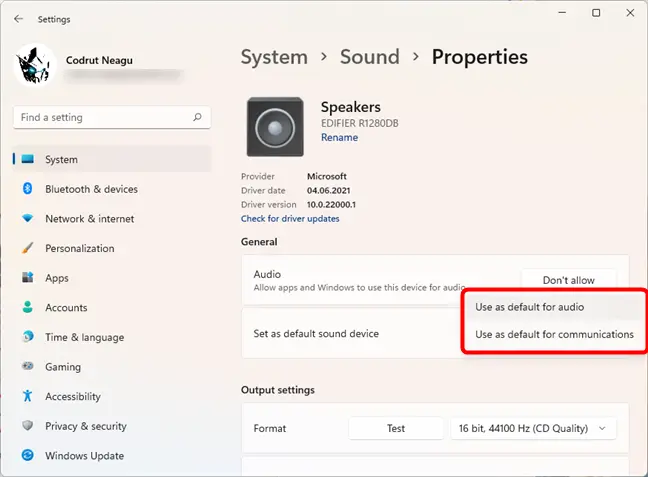
Step 2: Select the headphones and set them as the default device.
Fix 2. Update or Reinstall Audio Drivers
Drivers control how sound flows between the system and headphones. When the driver becomes old or damaged, the system stops detecting the device. Updating or reinstalling the driver often restores full function.
This method is helpful after big system updates. Windows updates can overwrite or reset audio drivers. When this happens, the system becomes confused and may label the headphones incorrectly. A clean install solves this mismatch.
How this helps
- Replaces damaged driver files
- Brings new compatibility updates
- Fixes detection gaps
- Removes driver conflicts
- Improves sound stability
Steps
Step 1: Open Device Manager and select audio drivers.
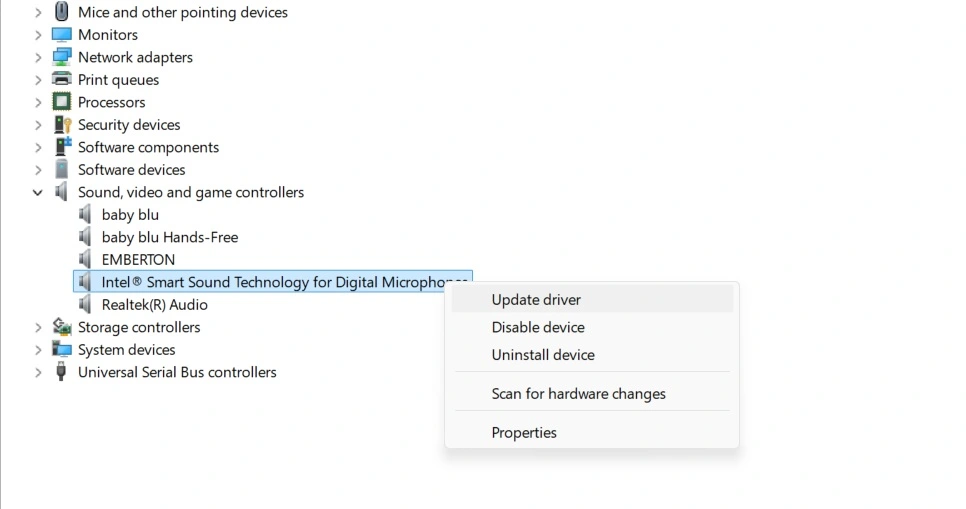
Step 2: Update or reinstall them and restart your system.
Fix 3. Restart Windows Audio Services
Windows uses several background services to control sound. If any of them stop working, the headphones may not be detected. Restarting these services refreshes all sound processes.
This method works well when headphones fail after long use. Some users also see this problem after waking the system from sleep mode. Restarting the services restores smooth function and resets the audio engine.
How this helps
- Restores broken background tasks
- Fixes sudden silence issues
- Repairs service-based detection problems
- Refreshes the audio engine
- Helps the system detect new devices
Steps
Step 1: Open Services and find Windows Audio.

Step 2: Restart the services and test your headphones.
Fix 4. Run the Built-in Troubleshooter
The built-in troubleshooter scans the system. It checks for wrong settings, disabled devices, and blocked drivers. It is helpful when you are not sure what is causing the problem.
This tool also resets some audio components. It is useful if the system misreads the jack or the digital routing. Many users find that the troubleshooter auto-corrects the issue in a few minutes.
How this helps
- Detects hidden audio conflicts
- Repairs broken settings
- Fixes routing problems
- Restores disabled devices
- Auto-corrects common sound errors
Steps
Step 1: Open Troubleshoot settings.
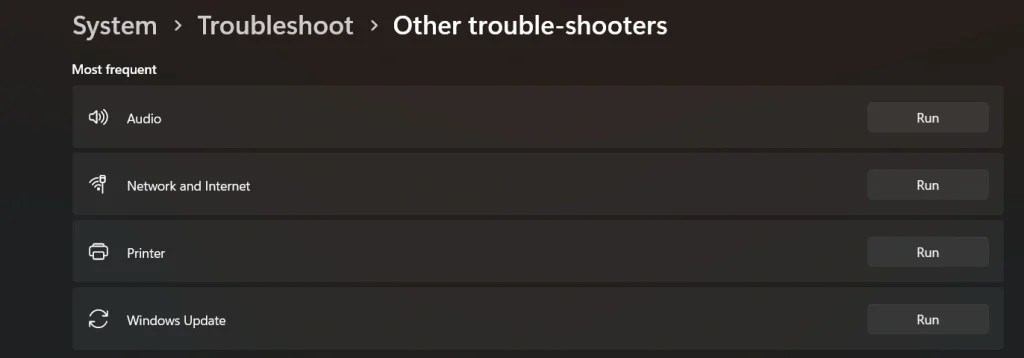
Step 2: Run the audio troubleshooter and apply the fix it offers.
Fix 5. Check the Headphone Hardware and Replace Damaged Parts
Sometimes the problem is not in the system. It may be linked to the cable, the jack, or the port. Hardware-based issues are easy to miss because they appear slowly. A loose plug or broken wire can cause random detection drops.
Checking hardware early saves time. It also helps you avoid reinstalling drivers for no reason. You can try different cables and ports to confirm if the problem is mechanical.
How this helps
- Confirms physical issues
- Helps avoid software confusion
- Detects broken plugs
- Reveals loose internal wiring
- Provides a clear answer when the device is damaged
Steps
Step 1. Try another headphone or cable.
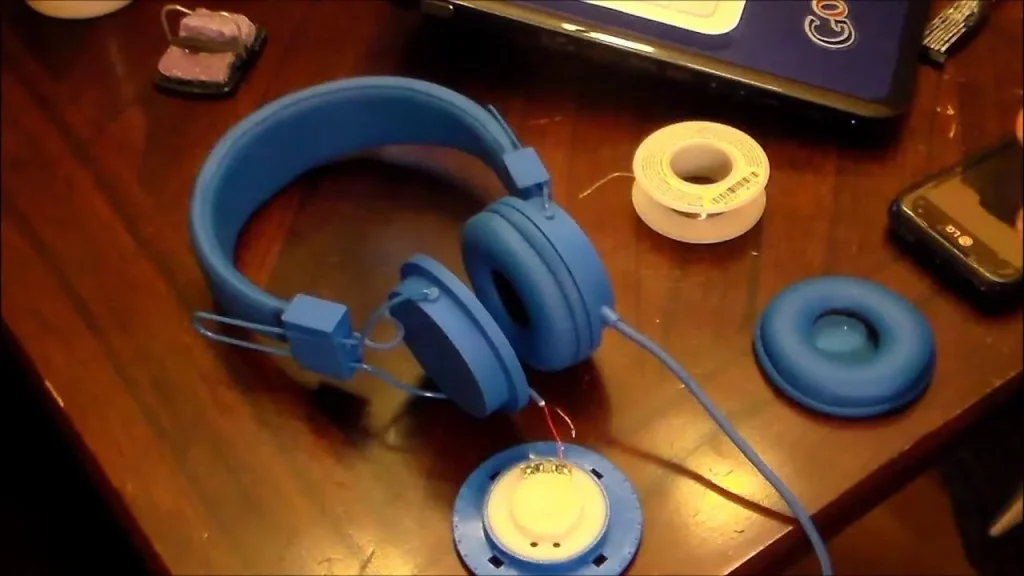
Step 2: Test another port and check for loose parts.
Author’s Tip
Try to keep your audio configuration clean. Remove unused devices from the playback list. Reduce the number of virtual sound tools. Extra tools often confuse the system and cause routing problems. Keep the main audio controller updated. Try to use a single standard driver for long-term stability.
You can also clean the headphone jack once in a while. Use a soft brush or compressed air. Avoid sharp objects. Many detection failures come from dust inside the port. A quick clean gives the sensor a clear path. This helps the computer detect the headphones faster and with better accuracy.
Advanced Tips for Better Results
Improve Detection and Stability
- Check BIOS settings
Some laptops have an audio setting inside the BIOS. Make sure internal sound devices are enabled. - Disable front panel detection in the audio tool
This helps when the system misreads split ports. - Use a USB sound card
A small USB adapter can solve jack-related issues. - Reset sound controllers in safe mode
This clears driver conflicts and gives a fresh start. - Uninstall third-party audio boosters
Many boosters override system settings and cause issues. - Check for GPU audio conflicts
GPU sound drivers can take over audio routing. Disable them if not needed. - Turn off exclusive mode
Some apps take full control of the audio device. Disable exclusive mode in sound settings. - Update the system BIOS
In rare cases, BIOS updates provide better audio handling.
Conclusion
Fixing headphone detection problems does not have to be difficult. With patience and simple steps, you can identify the cause. Most issues come from drivers, wrong playback settings, or blocked audio ports. When you follow each method carefully, you give the system a clear path to detect your headphones again. The combined effect of software checks and hardware checks creates stable audio performance.
In many cases, the error appears due to regular system use. Updates, background apps, and small hardware issues can create confusion in sound routing. Once you understand the cause, the repair becomes simple.
Keep your device clean, keep your drivers updated, and test your headphones on other devices. This helps you respond quickly when problems appear again.
FAQs:
1. Why does my system say the headphones are plugged in, but no sound comes out?
This usually happens when the wrong device is selected in the playback list. It can also occur when the volume mixer is muted or when an app holds control of the audio device. Updating the driver or resetting audio services often fixes this problem.
2. What should I do if my PC never detects any headphones?
Start with simple checks. Look at the headphone jack and cable. Test another headphone. If the hardware is fine, update the drivers and check the playback settings. Also, try restarting audio services.
3. Can dust cause headphone detection issues?
Yes. Dust blocks the internal sensor inside the jack. When the sensor cannot read the plug properly, the system fails to detect the headphones. Cleaning the jack usually helps.
Author Bio:
Dinesh Lakhwani 

Dinesh Lakhwani, the entrepreneurial brain behind “TechCommuters,” achieved big things in the tech world. He started the company to make smart and user-friendly tech solutions. Thanks to his sharp thinking, focus on quality and the motto of never giving up, TechCommuters became a top player in the industry. His commitment to excellence has propelled the company to a leading position in the industry.
Popular Post



Recent Post
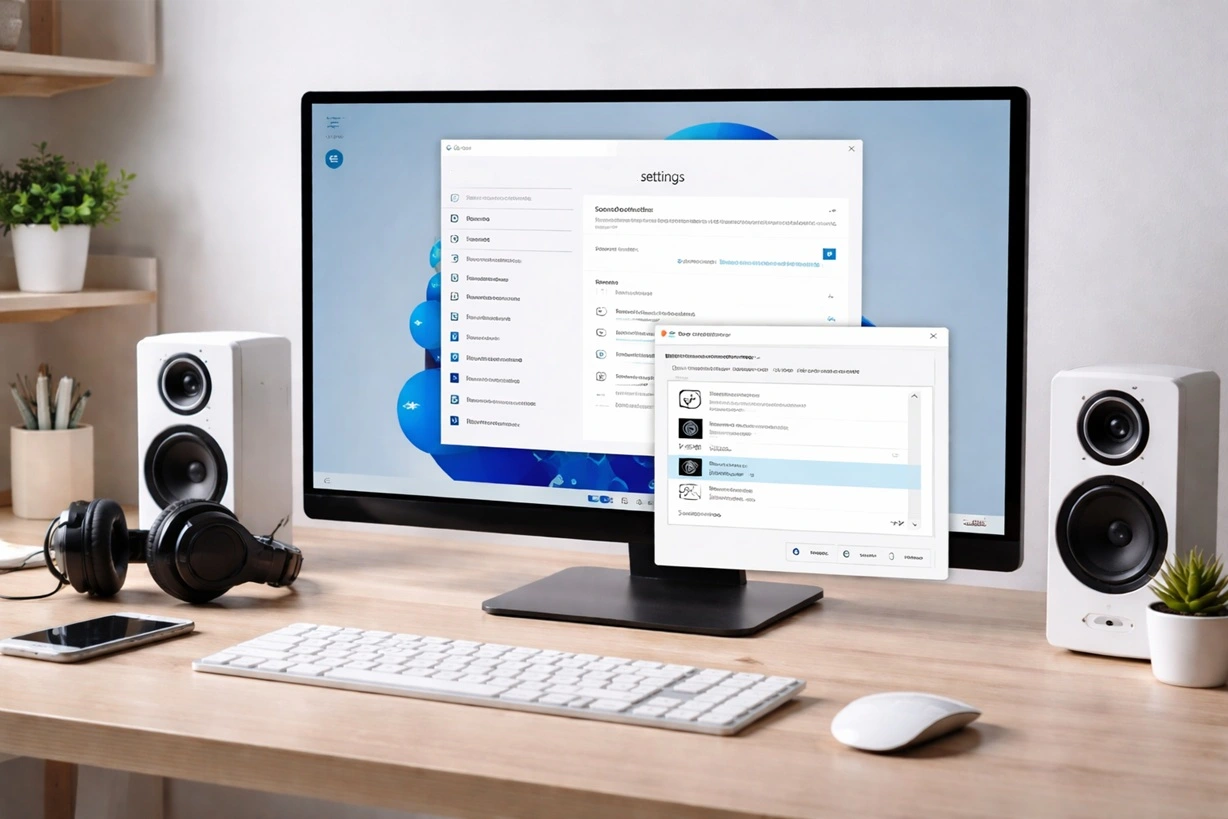
Windows Sound Settings – Sound Control Panel: Complete Guide
Sound plays an important role in how we use a computer every day. It supports both work and leisure. You need it for meetings, videos, music, and alerts. When audio fails, even simple tasks become difficult. Many users feel stuck when sound issues appear. This usually happens because they are not familiar with Windows Sound […]
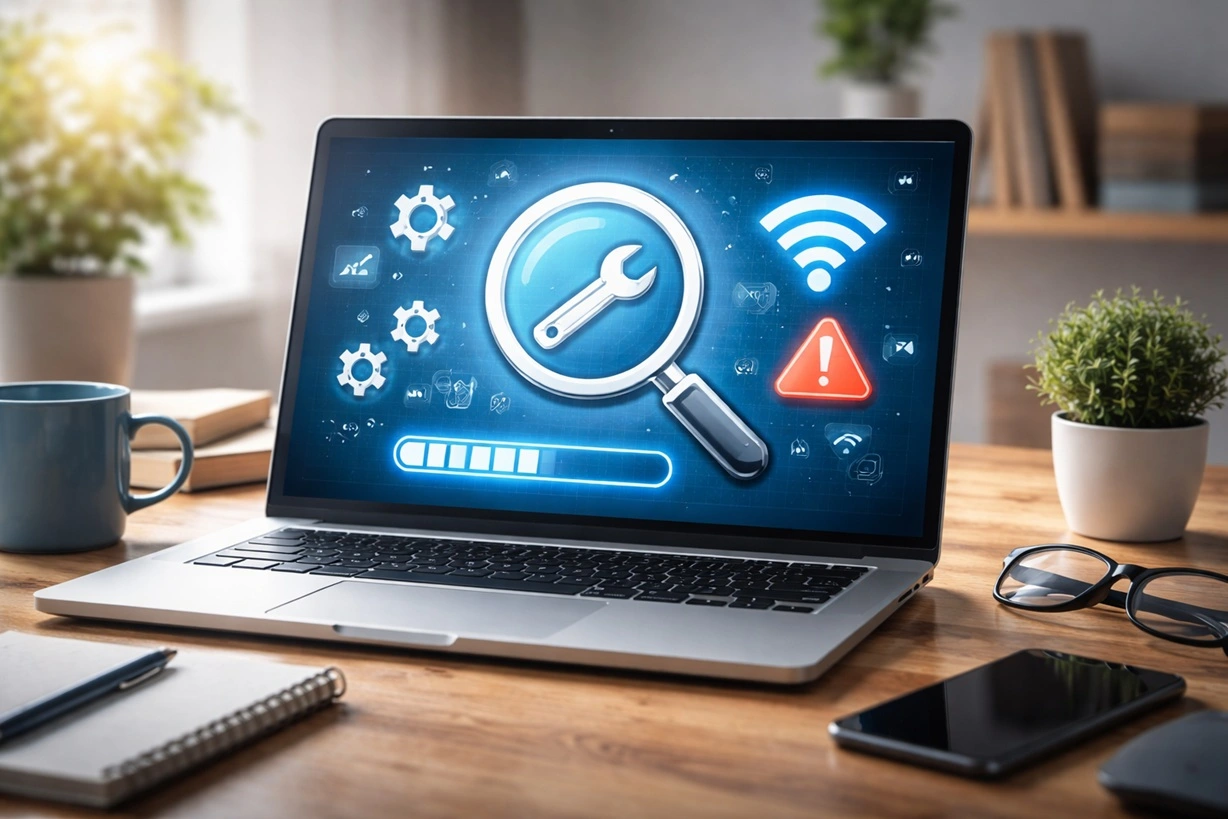
Run a Troubleshooter For PC Issues Windows: Complete Guide
A computer plays an important role in everyday life. People use it for work, study, communication, and entertainment. When a problem appears, it can interrupt everything. Even a small issue can waste time and create frustration. Many users feel unsure about how to fix such problems. They often think they need expert help. In reality, […]
![Adjusting Audio Output Settings Complete Guide [2026]](https://www.techcommuters.com/wp-content/uploads/2026/03/Adjusting-Audio-Output-Settings-Complete-Guide.webp)
Adjusting Audio Output Settings: Complete Guide [2026]
Sound is part of almost everything we do on a computer. It lets you watch videos, join calls, play music, and hear alerts. When the audio stops working the right way, it can interrupt both work and daily use. That is why adjusting audio output settings matters for every user. Many people get unsure when […]

Artificial Intelligence Explained: Concepts, Terminology, Benefits, and Future Trends
Artificial Intelligence, or AI, is basically computers doing things that usually need a human brain. We’re talking about stuff like learning from experience, figuring out problems, understanding language, and making decisions. It’s not magic, just a lot of data, pattern-spotting, and math behind the scenes. Now, AI doesn’t actually think or feel like we do. […]
Resolving Microphone Detection Problems: Latest Guide [2026]
Microphones are important tools in daily life. People use them for office meetings, online classes, interviews, gaming, customer support, and content creation. When a system fails to detect a microphone, communication stops at once. This situation can cause stress and confusion. Many users believe the microphone is damaged. In reality, most problems are simple and […]
How To Switch To A Dark Background Theme In Windows [2026]
Most people spend many hours each day in front of a computer screen. Office work, online classes, editing, browsing, and streaming all require long screen time. A bright white background may look clean at first. However, over time, it can feel sharp and tiring. The strong contrast between white backgrounds and black text may cause […]
How to Switch From Local To Microsoft Account On Windows
Many users begin with a local account when they set up a new Windows computer. A local account works only on that single device. It stores settings, files, and preferences locally. It does not connect to online Microsoft services. For basic offline use, it works well. However, as digital needs grow, many users want better […]
How to Switch Windows 10 to a Local Account: Complete Guide
Windows 10 allows users to sign in with either a Microsoft account or a local account. When you set up a new computer, the system often suggests using a Microsoft account. This account connects your device to Microsoft services such as Outlook, OneDrive, and the Microsoft Store. It also syncs settings, themes, and passwords across […]
How To Change Default Apps For File Types In Windows
Windows is designed to make using your computer easy. One way it does this is by assigning default apps to different file types. This means when you open a file, Windows automatically opens it with a specific program. For example, photos may open with Photos, music with Groove Music, and PDFs with Edge. These default […]
How To Adjust The Mouse Pointer Speed: Complete Guide
Using a computer every day means you use the mouse a lot. The mouse pointer moves on the screen and helps you click, scroll, and select items. Many people never think about the speed of the mouse pointer. They have used the default setting for years. This can cause small problems over time. A slow […]