Console VS PC: Pros and Cons Of Each

Last updated on December 26th, 2025 at 3:18 pm
The ongoing debate of “Is PC better than console?” has been a subject of contention among technology enthusiasts and gamers for years. Each platform offers unique advantages and drawbacks, appealing to different preferences and needs.
In this article, we will explore the pros and cons of both consoles and PCs, shedding light on the key factors to consider when deciding between the two. Whether you’re a casual gamer or a tech-savvy enthusiast, understanding the strengths and weaknesses of each platform will help you make an informed decision.
Before You Start, First Know the Answers to These Questions:
1. Will I regret choosing a console if I want to upgrade performance later
This question matters to users who like flexibility. Consoles cannot be upgraded beyond storage or accessories. Once the hardware feels outdated, replacement is the only option. PCs allow gradual upgrades, which reduces long-term frustration for performance-focused players.
2. Does PC gaming quietly demand more time and maintenance
Many first-time PC gamers underestimate upkeep. Driver updates, system settings, and occasional troubleshooting are part of PC ownership. Consoles avoid this friction by handling updates in the background, which appeals to players who want a plug-and-play experience.
3. Will my friends’ list limit my choice more than hardware Multiplayer gaming often depends on where friends play. Even with cross-play support growing, some games still favor one platform. Choosing a system that matches your social circle can matter more than graphics or frame rates.
Pros:
Performance and Customization:
One of the significant advantages of PC gaming is the superior performance it offers. PCs with powerful processors, graphics cards, and ample RAM can handle demanding games with higher frame rates and better graphics quality. This performance advantage allows for a more immersive gaming experience, with smoother gameplay and visually stunning graphics.
Additionally, PC gaming allows for extensive customization. Players can choose and upgrade individual components as technology evolves, ensuring their system remains up-to-date with the latest advancements in gaming hardware.
Game Library and Exclusives:
Consoles have long been known for their rich lineup of exclusive titles. These games are developed specifically for the respective console platforms, taking full advantage of their hardware capabilities. Exclusive titles often push the boundaries of gaming, providing unique experiences that can’t be found elsewhere. For example, PlayStation has a history of delivering critically acclaimed exclusive titles such as the Uncharted and God of War series.
On the other hand, PC gaming boasts a vast and diverse game library. With platforms like Steam and Epic Games Store, PC gamers have access to a wide range of popular titles, indie games, and a thriving modding community. The PC gaming community’s creativity and dedication to modding offer players additional content and enhance the longevity and replayability of games.
User Experience and Convenience:
Consoles offer a streamlined and user-friendly gaming experience. They are designed to be plug-and-play, requiring minimal setup and maintenance. Consoles provide a unified environment for gaming, media streaming, and other entertainment options, making them accessible and easy to use for players of all skill levels.
The user interface and controller designs are specifically tailored for gaming, ensuring a seamless and immersive experience. On the other hand, PCs provide greater control and flexibility in terms of user experience. PC gamers can adjust graphics settings, customize control schemes, and even use various peripherals like keyboards, mice, and gamepads according to their preferences. PCs also offer the advantage of multitasking, allowing users to switch between gaming and other tasks seamlessly.
Modding and Community:
PC gaming has a thriving modding community, which is one of its standout features. Modding allows players to modify games, create custom content, and enhance gameplay. The modding community contributes to the longevity of games by introducing new features, improving graphics, and even creating entirely new game experiences. Mods can range from simple graphical improvements to complex gameplay overhauls.
The availability of mods adds a new layer of creativity and personalization to the gaming experience. Console gaming, on the other hand, has limited modding capabilities due to the closed nature of its systems. Console gamers rely on official updates and downloadable content (DLC) provided by game developers for additional content. However, console gaming communities thrive through online forums, social media groups, and dedicated websites, where players can connect, share experiences, and participate in discussions about their favorite games.
Portability and Versatility:
Consoles excel in terms of portability and ease of use. They are designed to be compact, lightweight, and easily connectable to TVs or monitors. Consoles can be set up in different rooms or taken on the go, making them ideal for gaming with friends or while traveling. The Nintendo Switch, for example, offers the flexibility of handheld gaming in addition to traditional console gaming. PCs, while less portable, offer greater versatility.
They can be used for various tasks beyond gaming, such as content creation, programming, and office work. The power and capabilities of a PC make it a versatile machine that can handle demanding applications and tasks other than gaming. Additionally, PCs offer virtual reality (VR) gaming, providing immersive experiences that are yet to be widely available on consoles.
Cons:
Cost and Accessibility:
Consoles often have a lower upfront cost compared to building or buying a gaming PC. Console manufacturers can subsidize the cost of the hardware by selling games and subscriptions. Furthermore, console games tend to be more affordable, especially when considering discounts and used game options. Consoles offer ease of use and accessibility, as they come with pre-installed operating systems and are specifically designed for gaming.
PCs, on the other hand, can require a higher initial investment and ongoing upgrades to keep up with the latest gaming requirements. Building a gaming PC with high-end components can be expensive, and the cost of games and peripherals may add up over time.
Online Services and Multiplayer:
Console gaming often requires subscription-based services for online multiplayer, free games, and exclusive discounts. Services like Xbox Live and PlayStation Plus provide access to online multiplayer, additional game discounts, and free monthly games.
These services also offer benefits like cloud storage for game saves and access to special events. On the other hand, PCs offer a wide range of online platforms, such as Steam, Origin, and Epic Games Store, where gamers can purchase and download games. PC gaming platforms offer a vast library of games, multiplayer functionality, and frequent sales.
PC gaming also allows for more flexibility in terms of choosing between free online services or subscription-based ones. Additionally, PCs offer the advantage of dedicated servers for multiplayer games, which can provide a smoother and more reliable online gaming experience.
Maintenance and Technical Knowledge:
Consoles require minimal setup and maintenance. They are designed to be user-friendly, with automatic system updates and simplified settings. Console gaming offers a hassle-free experience, as most updates and patches are handled seamlessly in the background. PCs, on the other hand, require more technical know-how and regular maintenance.
PC gamers need to keep their operating systems, drivers, and game clients up-to-date to ensure optimal performance and compatibility. Troubleshooting technical issues or hardware upgrades may also require more technical expertise. However, PC gaming offers the advantage of tweaking settings and optimizing performance according to individual preferences, which can enhance the overall gaming experience.
Support and Longevity:
Console manufacturers provide ongoing support and updates for their platforms. They ensure compatibility with new games and often introduce new features through system updates. Consoles have a defined life cycle, with new iterations released every few years, offering improved performance and features.
This means that games and accessories may become incompatible with older console models as technology advances. PCs, on the other hand, have a longer lifespan and can be upgraded to meet evolving hardware requirements. PC gaming platforms like Steam have a strong track record of providing ongoing support and updates, ensuring backward compatibility and access to older games even as new technologies emerge. However, PC gamers may face challenges with older games due to compatibility issues or lack of official support.
When choosing between console gaming and PC gaming, consider the pros and cons outlined above. PCs offer superior performance and customization options, a diverse game library, and a thriving modding community.
Consoles provide accessibility, affordability, exclusive titles, a streamlined user experience, and portability. Carefully evaluate your gaming needs, budget, desired level of customization, and long-term plans to make the best decision for your gaming preferences. Remember that both platforms offer unique experiences, ensuring that gamers can immerse themselves in the digital worlds they love.
FAQs
1. Is PC gaming better than console gaming
PC gaming offers more control over graphics, performance, and customization. Players can upgrade parts, adjust settings, and access a wider range of games and mods. Console gaming focuses more on simplicity, stable performance, and ease of use, which many players prefer.
2. Are consoles cheaper than gaming PCs
Consoles usually cost less upfront. A gaming PC often requires a higher initial investment, especially for strong performance. Over time, PC users may save on game discounts and upgrades, while console users often pay for subscriptions and accessories.
3. Do consoles or PCs last longer for gaming
Consoles are designed to run the same games smoothly for many years without upgrades. PCs can last longer overall, but only if users are willing to upgrade parts as technology improves.
Author Bio:
Dinesh Lakhwani 

Dinesh Lakhwani, the entrepreneurial brain behind “TechCommuters,” achieved big things in the tech world. He started the company to make smart and user-friendly tech solutions. Thanks to his sharp thinking, focus on quality and the motto of never giving up, TechCommuters became a top player in the industry. His commitment to excellence has propelled the company to a leading position in the industry.
Popular Post




Recent Post
How to Switch From Local To Microsoft Account On Windows
Many users begin with a local account when they set up a new Windows computer. A local account works only on that single device. It stores settings, files, and preferences locally. It does not connect to online Microsoft services. For basic offline use, it works well. However, as digital needs grow, many users want better […]
How to Switch Windows 10 to a Local Account: Complete Guide
Windows 10 allows users to sign in with either a Microsoft account or a local account. When you set up a new computer, the system often suggests using a Microsoft account. This account connects your device to Microsoft services such as Outlook, OneDrive, and the Microsoft Store. It also syncs settings, themes, and passwords across […]
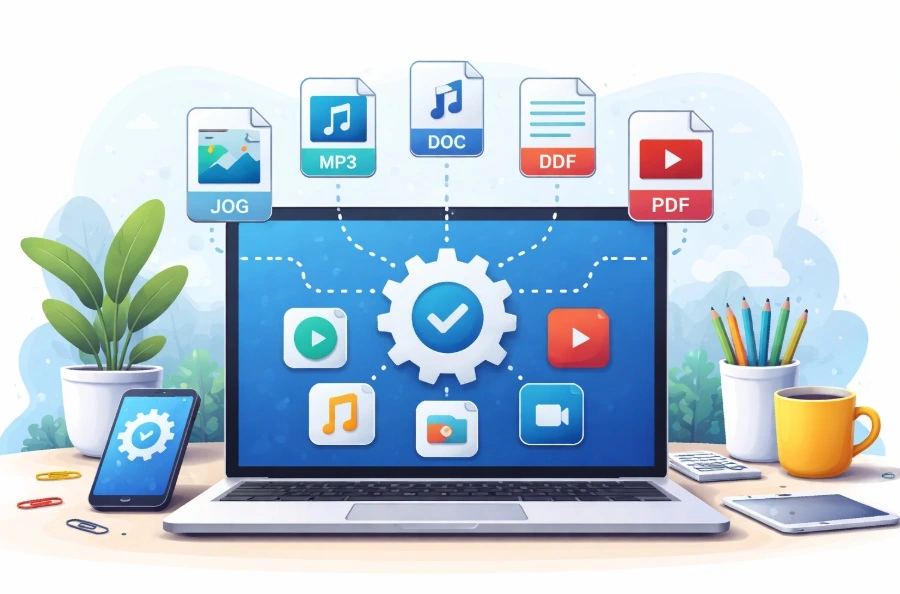
How To Change Default Apps For File Types In Windows
Windows is designed to make using your computer easy. One way it does this is by assigning default apps to different file types. This means when you open a file, Windows automatically opens it with a specific program. For example, photos may open with Photos, music with Groove Music, and PDFs with Edge. These default […]
How To Adjust The Mouse Pointer Speed: Complete Guide
Using a computer every day means you use the mouse a lot. The mouse pointer moves on the screen and helps you click, scroll, and select items. Many people never think about the speed of the mouse pointer. They have used the default setting for years. This can cause small problems over time. A slow […]

How to Change Mouse Scrolling Settings In Windows
A mouse is one of the most used computer tools. People use it every day. They scroll through emails. They scroll through documents. They scroll through websites and images. The movement becomes automatic. Most users do not notice it. That is why problems often go unnoticed. Scrolling problems show up slowly. At first, it feels […]
Keyboard Light Settings: Keyboard Lighting Control [Complete Guide]
Keyboards are no longer simple typing tools. Well, yes! Over time, they have evolved to include features that improve comfort, visibility, and overall experience. One of the most useful features today is keyboard lighting. It helps users work comfortably in low-light conditions. It also reduces strain when typing for long hours. Many users first notice […]
Customizing Pointer Appearance: Complete Guide
The way your mouse pointer looks on your computer may seem like a small detail. But customizing pointer appearance can make using your PC more comfortable and visually appealing. Many users do not realize that they can change the pointer size, color, and style to fit their needs. Whether you want a bigger pointer for […]
How To Choose a Computer Monitor: Monitor Buying Guide
Buying a monitor looks easy. Many people think all screens are the same. That belief causes regret later. A monitor is not just a display. It is a daily tool. You read on it. You work on it. You relax with it. Small problems become big over time. Poor brightness hurts eyes. Bad size causes […]

How To Get Help With File Explorer in Windows 11 [Complete Guide]
File Explorer is one of the most important tools in Windows 11. It is used to open folders, view files, and manage stored data. Almost every action on a Windows computer depends on it in some way. When users open documents, save downloads, or organize photos, File Explorer is always involved. Because it is used […]

How To Fix A Frozen Computer: Complete Guide [Windows 11/10]
A frozen computer is one of the most common problems Windows users face. The screen stops responding. The mouse pointer does not move. Keyboard inputs do nothing. You may hear the fan running loudly. Sometimes the system looks alive, but nothing works. This situation often happens when you are busy or working on something important. […]