


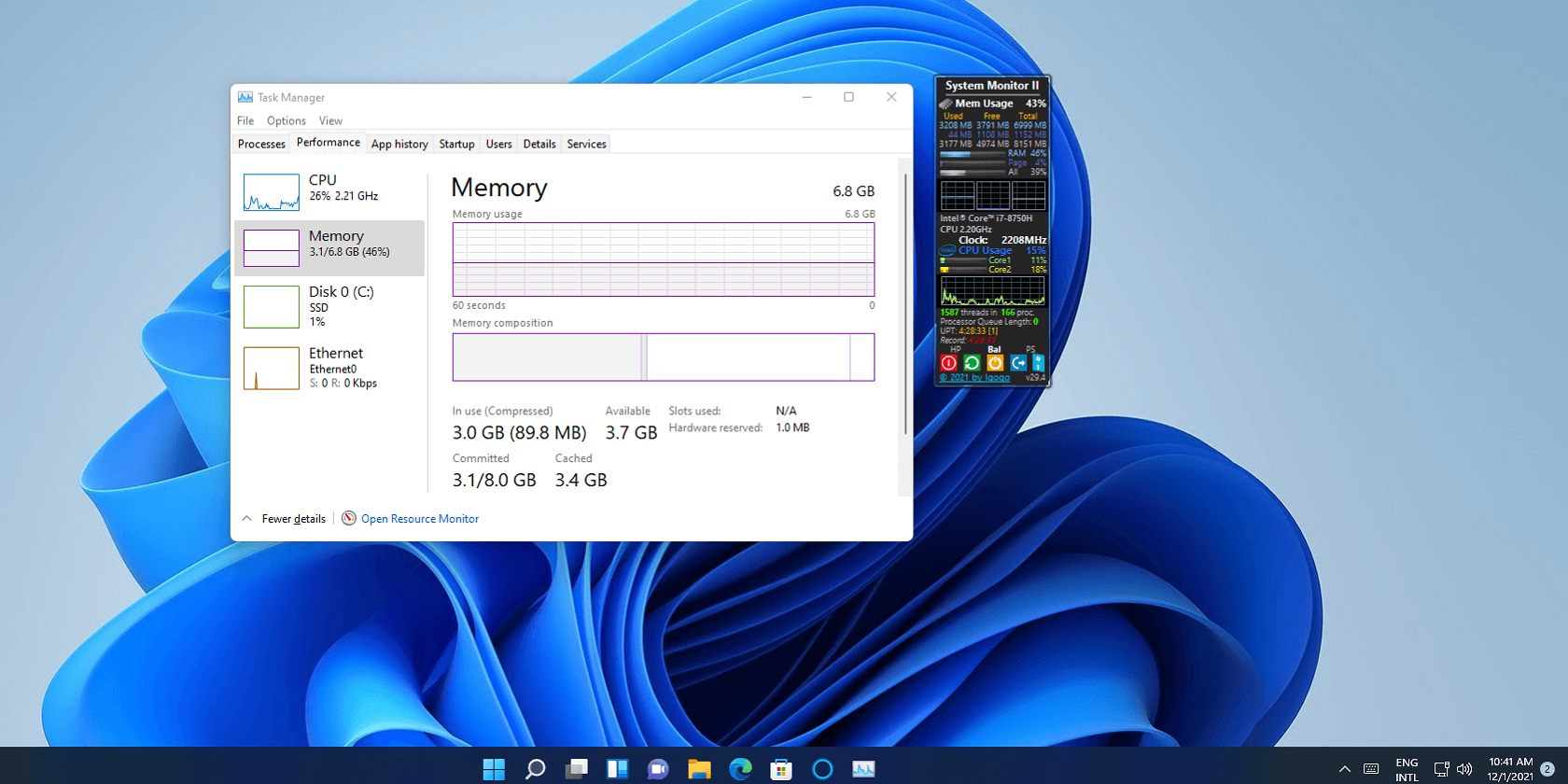




Introduction: Antivirus software helps protect Windows PCs from digital threats. It detects viruses, blocks ransomware, and alerts users about unsafe websites. However, some security tools consume too much RAM and CPU power. This can make everyday tasks feel slow. Older laptops and low-end PCs often face this problem. The computer may take longer to start. […]
Best Ways To Handle Windows 11 Driver Updates Issues: Complete Guide
Are you experiencing driver update issues on your Windows 11 system? You’re not alone. Many users face problems when updating drivers, which can disrupt the performance and functionality of their devices. Understanding how to handle Windows 11 driver update issues is crucial for maintaining a smooth and efficient system.
Driver updates are essential for the proper functioning of your hardware and software. However, these updates can sometimes cause unexpected problems. Common issues include incompatibility with existing hardware, failed installations, and outdated drivers. To keep your system running smoothly, it’s vital to know the best ways to handle Windows 11 driver update issues.
In this guide, we’ll explore the most effective methods for dealing with driver update problems. From using Windows Update to visiting the manufacturer’s website, we’ll cover all the bases.
By following these steps, you can handle Windows 11 driver update issues and ensure your system remains in top shape.
What Are The Common Issues With Windows 11 Driver Updates?
When updating drivers in Windows 11, users may encounter several common issues. These problems can affect the overall performance and functionality of their systems. Understanding these issues is the first step to effectively handle Windows 11 drivers update issues.
- Incompatibility Issues: Drivers may not be compatible with your existing hardware, causing performance problems.
- Failed Installations: Driver installations can fail, leaving your hardware without the necessary updates.
- Outdated Drivers: Older drivers may not work correctly with Windows 11, leading to functionality issues.
- Missing Drivers: After an update, some drivers might be missing, causing hardware malfunctions.
- Blue Screen of Death (BSOD) Errors: Incorrect or corrupted drivers can lead to BSOD errors, crashing your system.
- Device Malfunctions: Devices like printers, scanners, or external drives may stop working due to driver issues.
- Audio or Video Problems: Sound and display issues can arise from problematic drivers.
- Network Connectivity Issues: Network drivers may cause internet connectivity problems, affecting online activities.
Being aware of these common issues can help you handle Windows 11 driver update issues more effectively. In the next section, we’ll look at the best ways to tackle these problems.
Best Ways To Handle Windows 11 Driver Update Issues
Handling Windows 11 driver update issues can seem daunting, but with the right approach, you can tackle these problems effectively. Whether you’re facing compatibility issues, failed installations, or outdated drivers, there are several reliable methods to resolve these challenges.
From using Windows Update to accessing drivers directly from the manufacturer’s website, there are practical steps you can take to ensure your system remains in optimal condition.
Let’s explore the best ways to handle Windows 11 driver update issues and keep your computer running smoothly.
Use Windows Update:
Always checking for updates via Windows Update is one of the best ways to handle Windows 11 driver update issues. Microsoft regularly releases driver updates through Windows Update to ensure compatibility and improve system performance. By keeping your system updated, you can benefit from the latest drivers that are tested and approved by Microsoft. This method is convenient because it automates the update process, reducing the risk of downloading incorrect or incompatible drivers.

To check for updates, simply go to Settings, navigate to Windows Update, and click on “Check for updates.” Windows will search for and install any available updates, including driver updates, helping to maintain the stability and functionality of your system.
Visit Manufacturer’s Website:
Getting drivers directly from your hardware manufacturer’s website is another reliable way to handle Windows 11 driver update issues. Hardware manufacturers provide the most compatible and up-to-date drivers for their devices. These drivers are specifically designed and tested to work seamlessly with your hardware. By visiting the manufacturer’s website, you can download the latest drivers that are tailored to your specific model, ensuring optimal performance and stability. This method minimizes the risk of compatibility issues and driver-related problems.

Always check the support or download section of the manufacturer’s website for the latest driver updates and follow their instructions for installation. This proactive approach helps maintain the efficiency and functionality of your system.
Use Device Manager:
Using Device Manager is a practical way to handle Windows 11 driver update issues. First, open Device Manager by pressing Win + X and selecting it from the menu. Once it’s open, you can see a list of all your devices. Locate the device with the issue; it might have a yellow triangle next to it, indicating a problem.

Right-click on the driver. Select “Update driver”. You’ll be given two options: “Search automatically for updated driver software” and “Browse my computer for driver software”. Choosing the first option allows Windows to search for and install the best available driver.
This method uses Microsoft’s extensive database to find compatible drivers for your hardware. If you have already downloaded the driver from the manufacturer’s website, select the second option to manually browse and install it.
Roll Back Driver:
If a new driver is causing issues with your Windows 11 system, rolling back to the previous version can often resolve the problem. This process allows you to revert to a driver that was working correctly before the update.

To roll back a driver, open Device Manager by pressing Win + X and selecting Device Manager. Locate the device causing issues, right-click on it, and select Properties. In the Properties window, go to the Driver tab and click on Roll Back Driver. Follow the prompts to revert to the previous driver version. This is particularly useful if the new driver is incompatible or causing system instability.
Rolling back to the previous driver ensures that your hardware continues to function properly until a more compatible or stable driver update is available. It’s a simple and effective way to handle driver update issues without disrupting your workflow.
Use Driver Update Software:
There are many third-party tools available to handle Windows 11 driver update issues, making the process much easier and more efficient. These tools are designed to automatically detect, download, and install the latest drivers for your hardware. This automation saves you the time and effort of manually searching for and updating drivers.

Trusted third-party software can also provide additional features, such as backup and restore options, to ensure a smooth update process. By using these tools, you can effectively handle Windows 11 driver update issues and keep your system running smoothly with minimal hassle.
Disable Driver Signature Enforcement:
Temporarily disabling driver signature enforcement can be necessary when you need to install unsigned drivers. This process allows drivers that don’t have a digital signature to be installed on your system.

To do this, restart your computer and enter the Advanced Boot Options menu by pressing F8 during startup. From there, select “Disable driver signature enforcement”. This will allow you to proceed with the installation of the unsigned drivers. Remember to re-enable driver signature enforcement afterward to maintain your system’s security. Use this method cautiously, ensuring you trust the source of the unsigned drivers.
System Restore:
Using System Restore is a great way to revert your system to a previous state where the drivers were working fine. This feature allows you to roll back your system settings and drivers to a specific restore point, effectively undoing any recent changes that might have caused issues.

To use System Restore, go to Settings > System > About > System protection, then click on System Restore. Follow the prompts to select a restore point from when your system was stable. This process helps you resolve driver-related problems without losing your personal data, ensuring your system functions smoothly again.
Writer’s Tips To Handle Windows 11 Drivers Update Issues
In this section, we’ll share some valuable tips for handling Windows 11 drivers update issues. These tips can help you maintain a stable and efficient system by preventing common driver-related problems.
Whether it’s regular backups, staying updated, or monitoring performance, these strategies will ensure your driver updates are smooth and trouble-free.
Let’s dive into the writer’s tips to handle Windows 11 drivers update issues effectively and keep your system running at its best.
- Regular Backups: Before you dive into updating your drivers, make it a habit to back up your system. This way, if things go sideways, you can easily restore your system to its previous state without breaking a sweat.
- Stay Updated: Keep your system and drivers updated. Think of it like regular maintenance for your car; staying on top of updates helps prevent a lot of headaches down the road.
- Avoid Beta Drivers: Tempting as it may be to try out the latest and greatest, beta drivers often come with bugs. Stick to stable versions to avoid unnecessary problems.
- Monitor Performance: Once you’ve updated your drivers, keep an eye on how your system is performing. If you notice any glitches or slowdowns, address them right away to keep things running smoothly.
- Uninstall Problematic Drivers: Sometimes, a driver update can cause more harm than good. If you encounter issues, don’t hesitate to uninstall the problematic driver and look for a better, more compatible version.
Conclusion
Handling Windows 11 drivers update issues is crucial for a smooth experience. By following the steps above, you can avoid and resolve common driver issues. Always keep your system updated and back up your data. Regular monitoring and using trusted sources for drivers can prevent many problems. Handling Windows 11 drivers update issues doesn’t have to be difficult.
With the right tools and methods, you can keep your system running smoothly. Remember to be cautious and proactive in dealing with driver updates.
FAQs:
1. How often should I update my drivers?
Updating your drivers regularly ensures that your hardware functions optimally and stays compatible with the latest software updates. Aim to check for updates at least once a month. This frequency helps in identifying and resolving any potential issues early on. Regular updates can prevent performance problems, enhance security, and improve overall system stability. It’s especially important to update drivers for critical components like graphics cards, network adapters, and sound devices.
2. Can I trust third-party driver update software?
While there are many third-party driver update tools available, it’s essential to choose reputable and well-reviewed software. Trusted third-party tools can automate the process of finding and installing the correct drivers, saving you time and effort. However, some lesser-known or dubious software might install incorrect drivers or even malware. Always research and select a reliable tool, and consider using recommendations from trusted sources or tech communities.
3. What should I do if a driver update fails?
If a driver update fails, don’t panic. First, try using the Device Manager to manually update the driver. If that doesn’t work, visit the hardware manufacturer’s website to download and install the latest driver version. Sometimes, rolling back to a previous driver version can also resolve the issue. Additionally, ensure that your operating system is up to date, as system updates can sometimes fix underlying compatibility problems that affect driver installation.
4. Is it safe to disable driver signature enforcement?
Disabling driver signature enforcement can be risky because it allows the installation of unsigned drivers, which might not be trustworthy. Only disable this feature if absolutely necessary and when you are confident about the source of the driver. Installing unsigned drivers can expose your system to potential security risks and instability. If you must disable enforcement, remember to re-enable it after installing the necessary drivers to maintain system security.
Author Bio:
Dinesh Lakhwani 

Dinesh Lakhwani, the entrepreneurial brain behind “TechCommuters,” achieved big things in the tech world. He started the company to make smart and user-friendly tech solutions. Thanks to his sharp thinking, focus on quality and the motto of never giving up, TechCommuters became a top player in the industry. His commitment to excellence has propelled the company to a leading position in the industry.
Popular Post
Recent Post
How To Disable Cookies in Browser [Complete Guide]
So, search for a pair of shoes once online. Close the tab. By evening, those same shoes are sitting on your news site, your video app, and even your recipe blog. Nobody placed them there by chance. A cookie did. Well, yes! Cookies are small files that websites place on your device while you browse. […]
How To Disable Background Apps In Windows: 4 Quick Methods
A slow PC rarely gives a warning. One day, it simply takes longer to start. Apps open late. The fan runs loud, even when the screen is almost empty. Most people blame old hardware. Often, that is not the real reason. The real reason is hiding in plain sight. Windows keeps many apps active in […]
How to Activate Windows with a Product Key for Windows 11 & Windows 10
It always shows up at the worst time. You are halfway through a report, or about to join a video call. Then you spot it in the bottom right corner of the screen. Activate Windows. Go to Settings to activate Windows. Initially, an unactivated copy of Windows may seem like a minor inconvenience. Over time, […]

Is Easy Duplicate Finder Worth It? Honest Review
The photos folder looked normal at first glance. Then the storage warning popped up. One trip photo appeared four times. A tax PDF sat in three different folders. Two old setup files were still in Downloads, and each one was over 500 MB. Nobody plans this mess. Copies pile up slowly. A download runs twice. […]

Wise Duplicate Finder Review: Real Results from Wise Duplicate Finder
Read my honest Wise Duplicate Finder review. See features, pricing, pros and cons, and real PC test results. Find out if this free duplicate cleaner can free up your Windows storage.
How to Recover Deleted Files from Pen drive, USB Drive, SD Card
Introduction: On tech forums, you’ll often see posts like this: “I connected my pen drive to my laptop this morning, but the folder was empty. All my college project files had vanished. I don’t have a backup. Can someone help me?” Stories like this are very common. Pen drives, USB drives and SD cards are […]

How To Recover Files Deleted from the Recycle Bin [Windows 11]
Losing a file can happen in seconds. You clear your desktop, hit Delete, and empty the Recycle Bin. Then, just when you need that file again, it seems to have vanished. This guide will walk you through ways to restore files removed from the Recycle Bin. We will begin with simple fixes, then look at […]
Disk Drill Data Recovery Tool Explained: Full Review and Guide
It happens in a split second. You delete a folder by mistake. Your drive stops showing up. A photo album from your last trip just vanishes. And your stomach drops. Lost files feel personal. They are not just data. They are memories, work hours, and sometimes years of effort packed into a few gigabytes. When […]
Recover Deleted Files In Windows 11 With Software & Without
Introduction What is the first thing that goes through your mind the second an important file vanishes from a Windows 11 PC? For most people, it is a mix of panic and disbelief, followed by a frantic click through every folder that file could possibly be hiding in. It happens in a split second: one […]