How To Scan Computer For Viruses 2026 [6 Methods]

Last updated on December 29th, 2025 at 3:33 am
Computer viruses are a real threat in 2026. These harmful programs can slow down your computer. They can steal your personal data. They can even break your system completely. Learning how to scan computer for viruses is vital for every computer user today.
Scanning your computer for viruses should be a regular habit. Many people wait until their computer acts strangely. This is too late. Regular virus scans help catch problems early. They keep your computer running smoothly. They protect your important files and personal information from harm.
Scanning for viruses is simple in 2026! There are plenty of free and paid tools to choose from, and you don’t need any tech skills. This guide will walk you through the best ways to scan your computer.
We’ll share simple steps anyone can follow.
Best Ways to Scan Your PC for Viruses and Malware 2026
Part 1: Top Signs – When to Check for Viruses on My Computer

Your computer gives warning signs when viruses attack. Watch for these red flags. They tell you it’s time to scan computer for viruses right away.
- Slow Performance: Your computer takes forever to start. Programs load very slowly. Simple tasks feel sluggish.
- Pop-up Ads: Strange ads appear on your screen. They show up even when you’re not browsing. These pop-ups won’t go away.
- Browser Changes: Your homepage changed without permission. New toolbars appeared. Search results look different than usual.
- Crashes and Freezes: Your computer crashes often, freezes unexpectedly, and frequently shows the blue screen of death.
- Strange Files: New files appear in folders. File names look odd. Files you didn’t create show up everywhere.
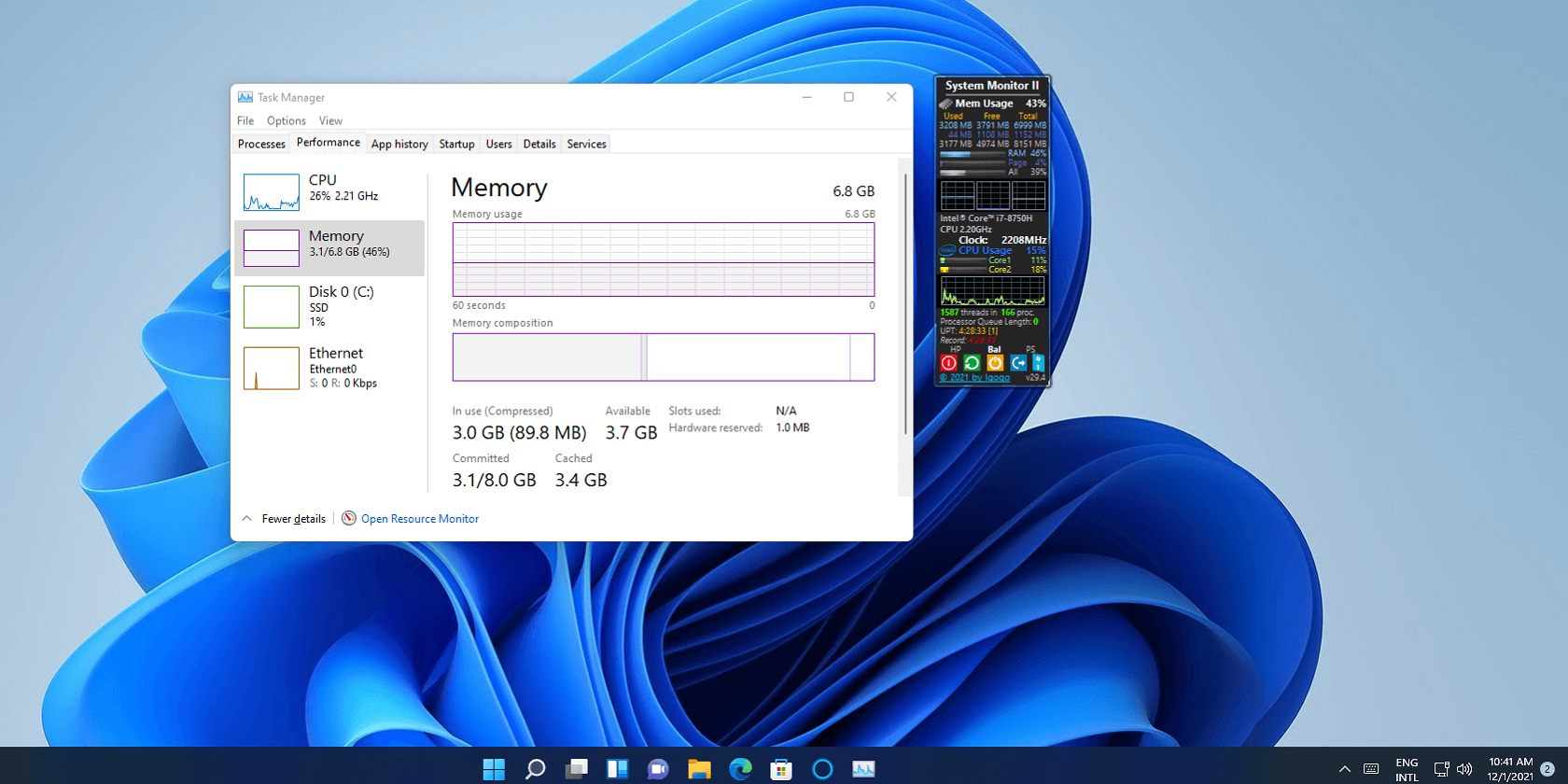
- High CPU Usage: Your computer fan runs constantly. The system feels hot. Task Manager shows high CPU usage.
- Email Problems: Friends say you sent spam emails. Your email sends messages you didn’t write. Email passwords stop working.
- Security Warnings: Fake antivirus warnings appear, claiming your computer is infected and urging you to pay or download something.
Part 2: Getting Started – How to Scan Computer for Viruses
Protecting your computer from viruses is a crucial step in maintaining its performance and security. Scanning for viruses helps detect and remove harmful malware that can compromise your data, slow down your system, or even expose sensitive information.
In this section, you’ll learn how to initiate a virus scan, explore different scanning methods, and ensure your computer stays safe from potential threats.
Let’s get started!
Method 1: Windows Defender (Built-in Protection)
Windows Defender comes free with Windows 10 and 11. This built-in tool offers solid protection against viruses. It updates automatically. It runs in the background to protect your computer all the time.
Windows Defender is great for basic virus scans. It detects most common threats, runs smoothly without slowing down your computer, and is easy to use. Best of all, it’s completely free—no extra purchases needed.
Steps to scan with Windows Defender:
- Click the Start button. Type “Windows Security” and press Enter. Click “Virus & threat protection”.

- Choose “Quick scan” for fast checking. Select “Scan options” for deeper scans. Pick “Full scan”. Click “Scan now”.

Wait for the scan to complete. Review any threats found
Method 2: Free Antivirus Software
Free antivirus programs offer more features than Windows Defender. Popular options include Avast, AVG, and Bitdefender. These programs scan deeper than basic tools. They often catch threats that others miss.
Free antivirus software updates virus definitions daily. They provide real-time protection while you work. Many include extra features like email scanning. Some offer basic firewalls, too. The downside is they may show ads or limit advanced features.
Steps to use free antivirus software:
- Download from the official website only. Install the program following the setup prompts. Update virus definitions immediately. Open the antivirus program. Look for Scan option.

- Choose the scan type you want. Start the scanning process. Let the program remove any threats found
Method 3: Paid Antivirus Solutions
Paid antivirus programs offer the best protection available. They include advanced features like behavior monitoring. These tools can stop new viruses before they spread. They also provide excellent customer support when you need help.
Premium antivirus software offers faster scans and uses fewer system resources than free versions. Many come with extra features like VPNs and password managers, with prices ranging from $30 to $100 per year, depending on the included services.
Steps to use paid antivirus software:
- Buy from a reputable antivirus provider, then download the installer from their official website. Install the software, enter your license key, and adjust protection settings as needed. Update to the latest version, then open the main interface.

- Click “Full System Scan” or a similar option. Review scan results and follow recommendations
Method 4: Online Virus Scanners
Online virus scanners work through your web browser. You don’t install anything on your computer. These tools are great for second opinions. They help when your main antivirus might be infected too.
Popular online scanners include ESET Online Scanner and Bitdefender QuickScan. They scan your computer from the cloud. This means they can detect the newest threats. The downside is they need a good internet connection to work properly.
Steps to use online virus scanners:
- Visit the official scanner website like Virus Total. Allow the browser plugin to install. Give permission to scan your computer.

- Choose scan depth (quick or full). Start the scanning process. Wait for results to appear. Download removal tools if needed. Follow the cleanup instructions provided
Method 5: Bootable Antivirus Rescue Disks
Rescue disks scan your computer before Windows starts. This method catches viruses that hide deep in your system. Some viruses disable regular antivirus programs. Rescue disks bypass this problem completely.
Creating a rescue disk requires another clean computer. You download the rescue disk image file. Then you burn it to a CD or USB drive. Boot your infected computer from this disk. The antivirus runs without Windows interference.
Steps to use rescue disks:
- Download the rescue disk from the antivirus website. Create a bootable CD or USB drive. Insert the disk into the infected computer. Restart the computer and boot from the disk. Follow the on-screen setup instructions.

- Choose the full system scan option. Let the scan complete fully. Remove or quarantine detected threats
Method 6: Malware-Specific Removal Tools
Some infections need special removal tools. Regular antivirus programs can’t remove certain malware. Companies create specific tools for stubborn infections. These tools target one type of malware at a time.
Malwarebytes is the most popular malware removal tool. It finds threats that antivirus programs miss. The free version scans and removes infections. The paid version provides real-time protection too. Other companies make tools for specific virus families.
Steps to use removal tools:
- Download Malwarebytes or a similar tool. Install the program on your computer. Update the malware database. Run a full system scan.

- Review all detected threats carefully. Remove or quarantine malicious items. Restart your computer when prompted. Run another scan to verify the cleanup
Part 3: Tips to Keep Your PC Virus-Free
Prevention is better than curing virus infections. These simple habits will keep your computer safe. Follow these tips to avoid needing emergency virus scans.
- Keep Software Updated: Install Windows updates quickly. Update all programs regularly. Enable automatic updates when possible. Old software has security holes that viruses exploit.
- Use Strong Passwords: Create unique passwords for each account. Use password managers to remember them. Change passwords if accounts get hacked. Weak passwords let viruses spread through networks.
- Avoid Suspicious Downloads: Only download from trusted websites. Check file extensions before opening. Scan downloads with antivirus before running. Free software from unknown sites often contains viruses.
- Be Email Smart: Don’t click links in suspicious emails. Verify sender identity before opening attachments. Delete spam emails immediately. Email is still the top way viruses spread.
- Browse Safely: Avoid suspicious websites completely. Don’t click on pop-up ads ever. Use ad blockers in your browser. Malicious websites can infect computers through browser vulnerabilities.
- Backup Important Data: Copy important files to external drives. Use cloud backup services regularly. Test backups to make sure they work. Good backups help recover from virus attacks.
- Use Standard User Accounts: Don’t browse as an administrator daily. Create separate accounts for different users. Limit admin privileges to essential tasks only. This prevents viruses from making system changes.
- Scan External Devices: Check USB drives before opening files. Scan external hard drives regularly. Be careful with devices from other computers. Removable media often carries viruses between systems.
Conclusion
Knowing how to scan computer for viruses is essential in 2026. Viruses continue to evolve and become more dangerous. Regular scanning protects your data and keeps your computer running well. Don’t wait for problems to appear before taking action.
Start with the scanning method that fits your needs best. Windows Defender works fine for basic protection. Consider paid antivirus for better security. Remember that prevention is always easier than cleanup. Follow safe computing habits to avoid infections completely. Your computer and personal data will thank you for the extra care and attention.
FAQs
How often should I scan my computer for viruses?
Run a quick scan daily and a full scan weekly for basic protection. If you download files often or visit many websites, scan more frequently. After any suspicious activity, run an immediate scan. Set up automatic scans if your antivirus supports this feature. Heavy computer users should consider scanning twice per week. Businesses should scan daily due to higher security risks.
Remember that real-time protection runs constantly in the background. Manual scans catch anything that slips through real-time scanning. Schedule full scans during off-hours when you’re not using your computer. This prevents slowdowns during important work.
Can I run multiple antivirus programs at the same time?
Don’t run two real-time antivirus programs together. They will conflict and slow down your computer significantly. You can use one main antivirus plus on-demand scanners like Malwarebytes. Always keep only one active real-time protection program running. Multiple real-time scanners fight for system resources. They may block each other from detecting threats properly.
However, you can safely use multiple on-demand scanners. These only run when you start them manually. Consider using Windows Defender as your main protection. Then add Malwarebytes for weekly deep scans. This combination works well without conflicts.
What should I do if my antivirus finds a virus?
Follow your antivirus program’s recommendations first. Usually, you can quarantine or delete the infected files. After removal, restart your computer and run another scan. If problems continue, consider using a different scanning tool for a second opinion. Document what virus was found and where it was located. Change all your passwords immediately after virus removal. Some viruses steal login credentials and personal information. Run the system file checker to repair any damaged Windows files. Check your browser settings for unwanted changes.
Author Bio:
Dinesh Lakhwani 

Dinesh Lakhwani, the entrepreneurial brain behind “TechCommuters,” achieved big things in the tech world. He started the company to make smart and user-friendly tech solutions. Thanks to his sharp thinking, focus on quality and the motto of never giving up, TechCommuters became a top player in the industry. His commitment to excellence has propelled the company to a leading position in the industry.
Popular Post




Recent Post
Windows Sound Settings – Sound Control Panel: Complete Guide
Sound plays an important role in how we use a computer every day. It supports both work and leisure. You need it for meetings, videos, music, and alerts. When audio fails, even simple tasks become difficult. Many users feel stuck when sound issues appear. This usually happens because they are not familiar with Windows Sound […]
Run a Troubleshooter For PC Issues Windows: Complete Guide
A computer plays an important role in everyday life. People use it for work, study, communication, and entertainment. When a problem appears, it can interrupt everything. Even a small issue can waste time and create frustration. Many users feel unsure about how to fix such problems. They often think they need expert help. In reality, […]
![Adjusting Audio Output Settings Complete Guide [2026]](https://www.techcommuters.com/wp-content/uploads/2026/03/Adjusting-Audio-Output-Settings-Complete-Guide.webp)
Adjusting Audio Output Settings: Complete Guide [2026]
Sound is part of almost everything we do on a computer. It lets you watch videos, join calls, play music, and hear alerts. When the audio stops working the right way, it can interrupt both work and daily use. That is why adjusting audio output settings matters for every user. Many people get unsure when […]

Artificial Intelligence Explained: Concepts, Terminology, Benefits, and Future Trends
Artificial Intelligence, or AI, is basically computers doing things that usually need a human brain. We’re talking about stuff like learning from experience, figuring out problems, understanding language, and making decisions. It’s not magic, just a lot of data, pattern-spotting, and math behind the scenes. Now, AI doesn’t actually think or feel like we do. […]

Resolving Microphone Detection Problems: Latest Guide [2026]
Microphones are important tools in daily life. People use them for office meetings, online classes, interviews, gaming, customer support, and content creation. When a system fails to detect a microphone, communication stops at once. This situation can cause stress and confusion. Many users believe the microphone is damaged. In reality, most problems are simple and […]
How To Switch To A Dark Background Theme In Windows [2026]
Most people spend many hours each day in front of a computer screen. Office work, online classes, editing, browsing, and streaming all require long screen time. A bright white background may look clean at first. However, over time, it can feel sharp and tiring. The strong contrast between white backgrounds and black text may cause […]
How to Switch From Local To Microsoft Account On Windows
Many users begin with a local account when they set up a new Windows computer. A local account works only on that single device. It stores settings, files, and preferences locally. It does not connect to online Microsoft services. For basic offline use, it works well. However, as digital needs grow, many users want better […]
How to Switch Windows 10 to a Local Account: Complete Guide
Windows 10 allows users to sign in with either a Microsoft account or a local account. When you set up a new computer, the system often suggests using a Microsoft account. This account connects your device to Microsoft services such as Outlook, OneDrive, and the Microsoft Store. It also syncs settings, themes, and passwords across […]
How To Change Default Apps For File Types In Windows
Windows is designed to make using your computer easy. One way it does this is by assigning default apps to different file types. This means when you open a file, Windows automatically opens it with a specific program. For example, photos may open with Photos, music with Groove Music, and PDFs with Edge. These default […]
How To Adjust The Mouse Pointer Speed: Complete Guide
Using a computer every day means you use the mouse a lot. The mouse pointer moves on the screen and helps you click, scroll, and select items. Many people never think about the speed of the mouse pointer. They have used the default setting for years. This can cause small problems over time. A slow […]